Adverse Childhood Experiences 15: Guidelines

I wrote Adverse Childhood Experiences 14: Hope quite a while ago.

The American Academy of Pediatrics has a guideline that physicians should introduce and screen for Adverse Childhood Experiences. The American Academy of Family Practice is skeptical, here: https://www.aafp.org/pubs/afp/issues/2014/1215/p822.html. Here are two more writeups: https://www.aafp.org/pubs/afp/issues/2020/0701/p55.html and https://www.aafp.org/pubs/fpm/blogs/inpractice/entry/screen_for_aces.html.

It is difficult to screen for ACE scores for the same reason that it is difficult to screen for domestic violence and to talk about end of life plans. These are difficult topics and everyone may be uncomfortable. Besides, what can we DO about it? If growing up in trauma wires someone’s brain differently, what do we do?

I don’t frame it as the person being “damaged”. Instead, I bring up the ACE score study and say that first I congratulate people for surviving their childhood. Good job! Congratulations! You have reached adulthood! Now what?

With a high ACE score comes increased risk of addictions (all of them), mental health diagnoses (same) and chronic disease. Is this a death sentence? Should we give up? No, I think there is a lot we can do. I frame this as having “survival” brain wiring instead of “Leave it to Beaver” brain wiring. The need to survive difficulties and untrustworthy adults during childhood can set up behavior patterns that extend into adulthood. Are there patterns that we want to change and that are not serving us as adults?

This week a person said that they blow up too easily. Ah, that is one that I had to work on for years. Medical training helps but also learning that anger often covers other feelings: grief, fear, shame. I had to work to uncover those feelings and learn to feel them instead of anger. Anger can function as a boundary in childhood homes where there are not adult role models, or where the adults behave one way when sober and an entirely different way when impaired and under the influence. There may be lip service to behave a certain way but if the adult doesn’t behave, it is pretty confusing. And then the adult may not remember or be in denial or try to blame someone else, including the child, for “causing” them to be impaired.

What if someone had a “normal” childhood but the trauma all hit as a young adult? I think adults can have trauma that changes the brain too. PTSD in non-military is most often caused by motor vehicle accidents. At least, that is what I was told in the last PTSD talk I went to. Now that overdose deaths have overtaken motor vehicle accidents as the top death by accident yearly in the US, I wonder if having a fentenyl death in the family causes PTSD. Certainly it causes trauma and grief and anger and shame.

I agree with the American Academy of Pediatrics that we should screen for Adverse Childhood Experiences. We need training in how to talk about it and how to respond. I have had people tell me that their childhood was fine and then later tell me that one or both parents were alcoholics. The “fine” childhood might not have been quite as fine as reported initially. One of the hallmarks of addiction families is denial: not happening, we don’t talk about it, everything is fine. Maybe it is not fine after all. If we can learn to talk to adults about the effects on children and help people to change even in small ways, I have hope that we will help children. We can’t prevent all trauma to children, but we can mitigate it. All the ACE scores rose during the Covid pandemic and we are still working on how to help each other and ourselves.

Here is another article: https://www.aafp.org/pubs/fpm/issues/2019/0300/p5.html.

Blessings.

For the Ragtag Daily Prompt: open wound.

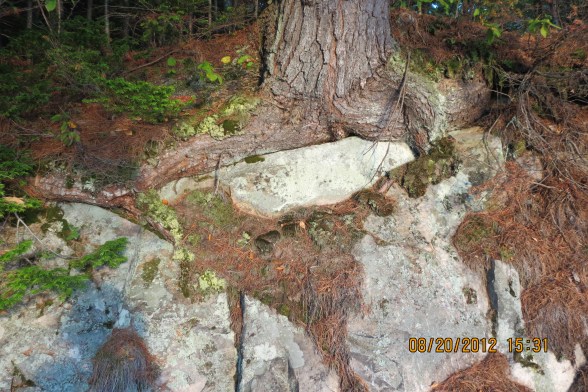
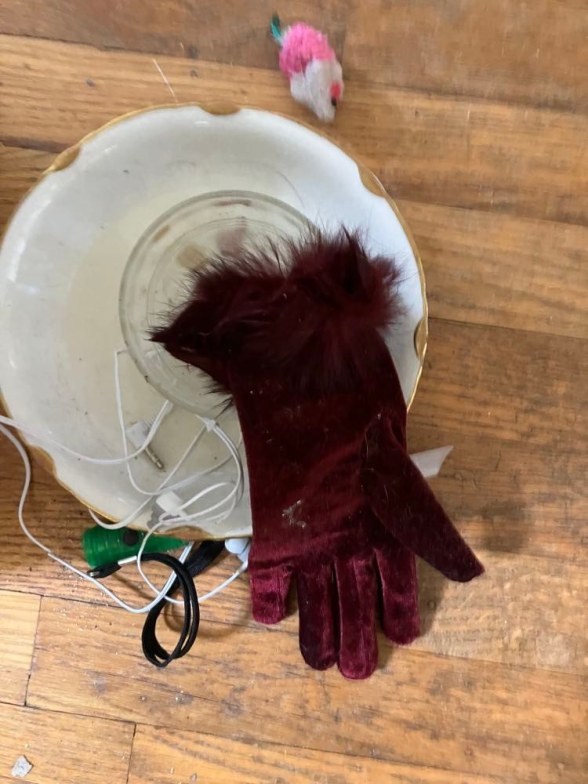
The photograph is one of Elwha’s cat art installations. He would pile toys on his bowl. Two bowels because I need to keep out the little ants. Sol Duc would do it too but not as often. I fed them in separate rooms. They would pile things on the bowl whether there was food left or not.
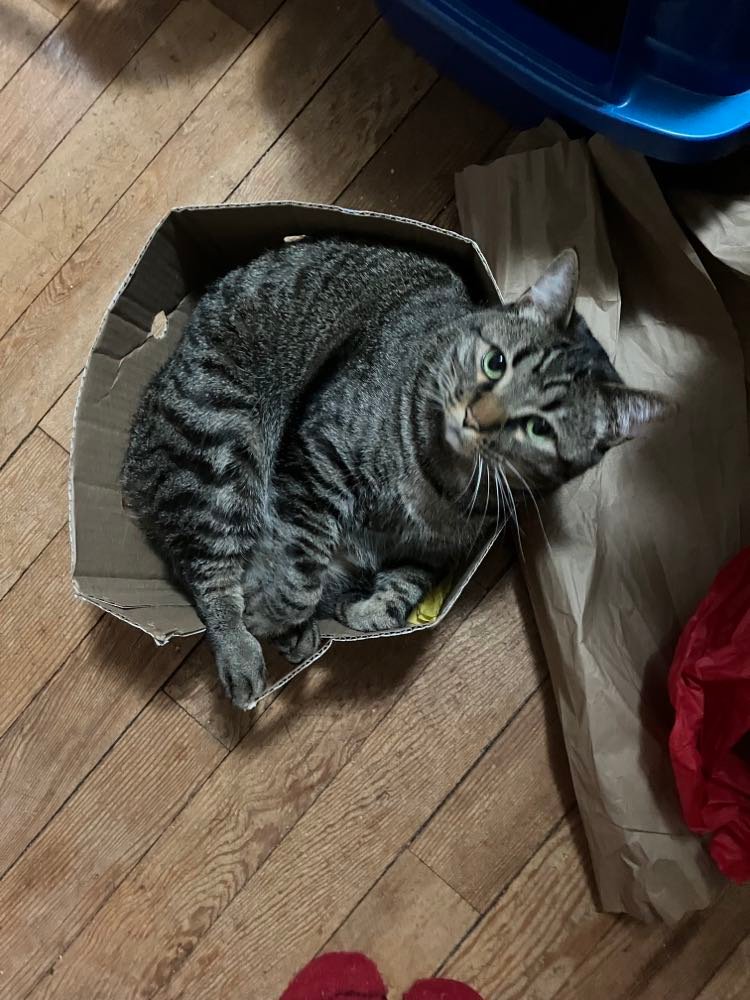
Elwha is still missing, sigh. That is a wound. The photographs are from March 2023.

Long Covid and framing

Long Covid is being framed as the immune system going nuts and there are all sorts of ideas about what it is doing and why. And it may be that more than one of them is correct. But the assumptions that I am hearing are that we have to “fix” it. A disease model.

Since I have been through four rounds of pneumonia, and two other rounds that were probably also flares, I have a different feeling. I think that Covid-19 is a really nasty virus and that the immune system is CORRECT to be on high alert and upset.

But wait, you say, we are just supposed to put up with it?

No, that is not what I am saying. Treat infection. I wouldn’t be here if it weren’t for penicillin and clindamycin, not to mention that we know that tuberculosis is airborne and infectious. I would most probably have died as an infant if we did not know what we did about tuberculosis. However, rather than thinking of my immune system as broken now, I am thinking of it as being hyperalert. Perhaps having PTSD. What it is really saying is, “Do not get another infection.”

How does it say this? In my case, relatively mild chronic fatigue. Also, slower healing each round, this time taking two full years to get back to a chronic fatigue baseline. I am still feeling very lucky to not have a hypoxia and permanent oxygen baseline. I am also feeling lucky that my fast twitch muscles work again. But I have about half of what I would consider my “normal” energy. But don’t we all judge that “normal” from our peak energies in our teens and twenties? One friend says, “Welcome to your sixties!” when I complain that each time it takes more work and is slower rebuilding muscle.

Am I an outlier? I don’t think so. I think I am the canary in the coal mine, warning of what can come. I think that ANYONE can get a version of this, resulting from too much stress, infection or a combination of the two.

I don’t think we have to develop medicines to tweak the immune system. I think we have to change our CULTURE in the United States. We have to learn to value the parasympathetic state, not just the sympathetic fight or flight, aggressive, go go go, peak performance state. I think we are driving ourselves nuts and setting ourselves and our children up for illness and damage and a highly unhappy immune system.

So my approach to my version of PANS or Long Covid is to work on the parasympathetic state. Listen to my body. Rest. Think about what I want to do and then plan half of it. Be realistic about my energy level. Because if I can convince my immune system that I will take care of myself as best I can, and rest daily, and not be crazy, it will stand down. It will calm down. It doesn’t need drugs as much as rest, good food, good friends, and some work but not too much.

In a high sympathetic nervous system state, the immune system works less well. It is hyperalert too. People are more likely to develop auto-immune diseases, with Hashimoto’s thyroiditis being the most common. People are more likely to get infections too. We have to learn to value and support the parasympathetic nervous system.

The start is rest. If that sounds awful, the next step is breathing. Five seconds in, five seconds out, count and use a timer. Start with a couple minutes and work up to twenty. Pay attention to how your body feels at twenty minutes. It may feel unfamiliar. It’s also hard to keep paying attention to that five seconds in, five seconds out, even if you count. I start thinking about my grocery list or food or a friend I want to call and I have been doing this for YEARS. When you realize that you are not counting, return again.

I am a minimalist on pills, any pills. Supplements, vitamins, prescription. None of the pills grow on trees so I don’t distinguish between “natural” and um, what, “unnatural”? I think of it as “less tested” and “more tested”. As an allopathic physician, I prescribe when necessary and I get rid of pills whenever I can. It is better to take a daily walk and eat healthy food. And maybe take a nap too.

So this is where I start. I attended a whole program on LDN this week, low dose naltrexone. It is being used for fibromyalgia pain and for Long Covid and ME/CFS fatigue and brain fog. It has a very reassuring safety profile, pharmaceutical companies don’t want to fund research because it is old and relatively cheap, and we don’t know how long to put people on it, or what it does long term. More detail soon.

_______________________

One thing I am doing for health and joy is dancing. I try to dance at the Bishop Hotel every Tuesday, because it makes me so happy. The music makes me happy too and my friends.

Make space for the difficult feelings

I am watching a four part video from the UK about illness and trauma.

The first part is about how trauma memories are stored differently from regular memories. Regular memories are stored in files, like stories in a book or a library.

Trauma memories are stored in the amygdala and often are disjointed and broken up and have all of the sensory input from the worst parts, including the emotions.

The therapist is talking about healing: that our tendency is to turn away from the trauma, smooth it over and try to ignore it.

However, the amygdala will not allow this. It will keep bringing the trauma up. And that is actually its’ job, to try to warn and protect us from danger!

The therapist counsels finding a safe time and place and safe person (if you have one) and then making space for the trauma to come back up. One approach is to write out the story, going through that most traumatic part, but not stopping there. What happened next? Writing the story and then putting it aside. Writing it again the next day and doing this for four days. As the story is rewritten and has an ending, even if it is not a happy ending, the story is eventually moved from the amygdala to the regular files. People can and do heal. They may need a lot of time and help, but they can heal.

I am not saying that four days of writing stories is enough. That is one approach, but nothing works for everyone and people need different sorts of help. There are all sorts of paths to healing.

In my Family Practice clinic I would see people in distress. With some gentle prompting and offering space, they would tell me about trauma and things happening in their personal life or work life. Things that were feeling so overwhelming that they could not tell their families or friends and they just could not seem to process the feelings about it. I would keep asking what was happening and give them the space to tell the story. Many times when they reached the present they would stop. There would be a silence. Then I would say, “It seems perfectly reasonable that you feel terrible, frightened, horrified, grieved, whatever they were feeling, with that going on.” And there was often a moment where the person looked inwards, at the arc of the story, and they too felt that their feelings were reasonable.

I would offer a referral to a counselor. “Or you can come back. Do you want to come back and talk about it if you need to?”

Sometimes they would take the referral. Sometimes they would schedule to come back. But nearly half the time they would say, “Let me wait and see. I think I am ok. I will call if I need to. Let me see what happens.”

When a person goes through trauma, many people cut them off. They don’t want to hear about it. They say let it go. They may avoid you. You will find out who your true friends are, who can stand by you when you are suffering. I have trouble when someone tries to show up in my life and wants to just pretend that nothing happened. “Let’s just start from now and go forward.” A family member said that to me recently. Um, no. You do not get to pretend nothing happened or say, “I wanted to stay out of it.” and now show back up. No. No. You are not my friend and will not be. And I am completely unwilling to trade silence about my trauma for your false friendship.

Yet rather than anger, I feel grief and pity. Because this family member can’t process his own trauma and therefore can’t be present for mine. Stunted growth.

People can heal but they need help and they need to choose to do the work of healing.

The four videos are here: https://www.panspandasuk.org/trauma.

This song is a darkly funny illustration: she may be trying to process past trauma, but the narrator doesn’t want anything to do with it. And he may not have the capacity to handle it. He may have his own issues that he has not dealt with. And maybe they both need professionals.

Prayers for people in Turkey and Syria

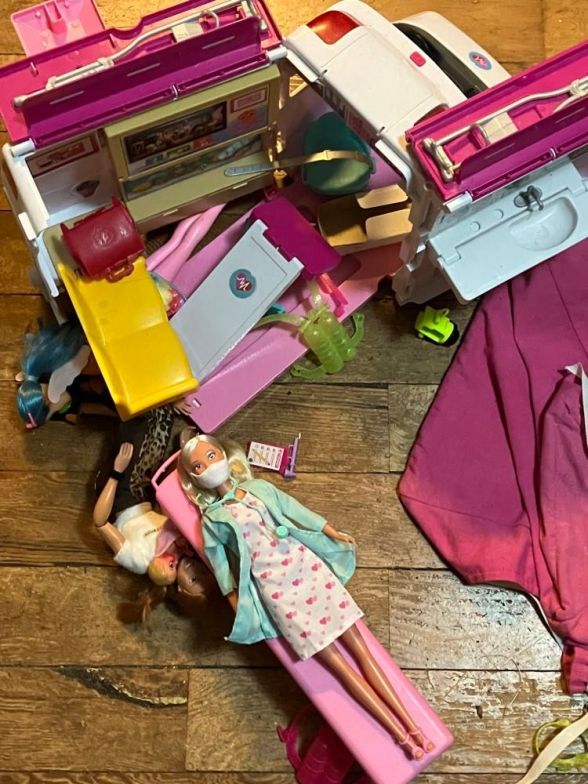
I took this photograph with my phone yesterday before I heard the news.

The ambulance has been out for a week or so, along with the doll tent. Two doll babies, the doll doctor, various pieces of equipment. I took the photograph because the cats keep “helping” and it keeps looking a bit like a disaster. Sigh. I wish they were just doll disasters with giant cats wandering through, not real earthquakes.

I wrote Flooded after the tsunami in Japan, about PTSD and about feeling helpless watching. I think we all have a little post-Pandemic PTSD and are more hair trigger and more ready for fight or flight.

Send prayers and money and huge blessings on on the first responders that are heading there or are already there.

For the Ragtag Daily Prompt: strange.

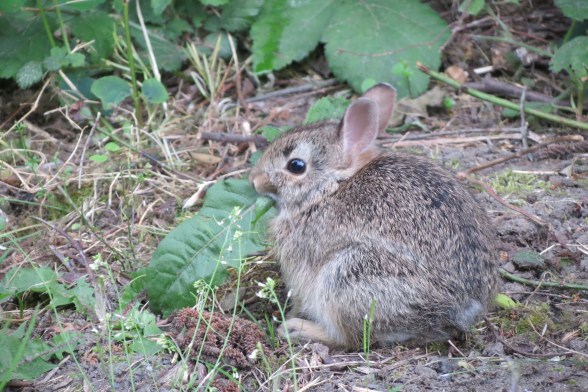
trauma bunnies

We can work it out, the song says. But no, maybe not, not always.

Trauma bunnies together. Walking. Why would you walk with me, I am so down? Oh, you are a trauma bunny too. Walking on the beach, slowing down, looking at rocks. The walks get longer and longer. You bring FOOD and tell me I have food insecurity. I laugh. But it is true.

Comparing notes about childhood. You say yours was worse. Yours was terrifying. You ran away over and over and over, but came home. Small children need food and shelter. You get older. A neighbor says if you run away now, you will never stop running. You do not run away permanently. But you still run.

My childhood has no bruises to the skin. But the bruises to the heart are a nightmare. You finally say that I win, my childhood was worse. But I was not trying to win, I want to say. I was just telling you as you’ve told me.

We have both survived damage and coped. I have the resource of a grandmother with money who paid for medical school. I apply without telling my parents, after my mother says, “You don’t want to be a doctor. It’s too much work.” I am a poet, a writer, being a doctor so I can study people and have children and be certain there is food. Job security. And food security, true. With a husband or without.

You fight school all the way, but when you are told that you will be a failure or in jail, you decide that you will prove them wrong. You are still proving it. You won’t tell how you make your money, not to the locals, but the new car every two years tells them you have money. And it’s the wrong kind of car: a liberal car for a professed conservative. It stands out.

We start playing trauma bunnies after six months. You want me to come to dinner and I turn New Yorker and direct: is this a date? You are surprised. I set the boundaries and you think about it. And say yes.

But trauma bunnies is not as much fun as the beach. We get close and intimate and then you run. When you run, I run too: the other way. I don’t chase you. You haven’t experienced that before. You keep coming back. Why aren’t I chasing you? Because I too am a trauma bunny, remember?

Back and forth: close and far, together and apart. All holidays become times when you run, so that I will not be part of the family. I announce that I am now your mistress and you can’t be with my family either. Back and forth. Closer and then you refuse to come to my son’s wedding. Far again.

You say the summer will be very busy. You say your focus is music. You say we can go to one beach. One beach? For the whole summer? I run to europe and you are surprised. I ask, are you too busy to have me around? No, you say. But when I return, you have a friend staying with you. Intimacy disappears.

I am tired of it. My daughter is here.

At last I bring up sex: are we done with that?

No, you say. We have visitors.

Wouldn’t stop me, I say.

You say, sex is still on the table. Then you hem and haw. You say sex is not important, you can take or leave it. The friendship is more important. Well, the friendship is most important, but sex IS important to me and hello, it’s damn insulting of you to say you can take or leave it. Leave. This is all triggered by your yearly family get together. You need me at a distance so you won’t be tempted to invite me. You don’t want me there so I am distanced again.

And I am done, done, done. I dream of a small child, a wild woman, a woman doctor and someone new: a quiet woman. I think about the quiet woman and I ask the other three. Yes, they say.

The quiet woman is the adult. Not the mask of the professional, not the wild defense fighter, not the small child. The small child has healed. She is the connection to the Beloved, to the source of the poems. She blesses the others. The quiet woman takes over.

The quiet woman takes over. She says goodbye, farewell, Beloved keep you and bless you, you may contact me any time.

You are in your cave alone and do not answer.

You may end up there, alone, alone, alone. You want freedom most of all, you say. Another song: freedom is another word.

Yes it is. People can change and grow. But some want to and some don’t and sometimes we don’t grow at the same time.

Yes, says the quiet woman. Sometimes we don’t grow at the same time.

Fade to quiet.

______________________________

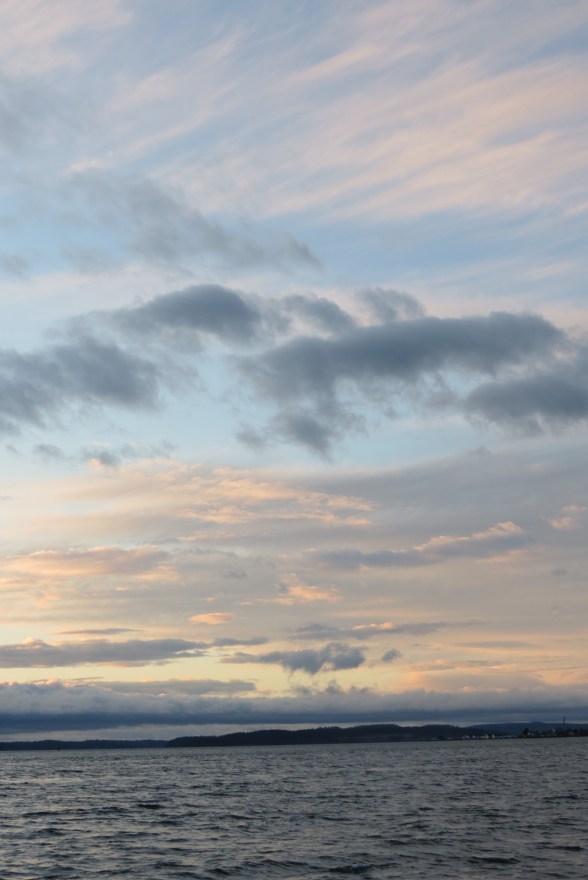
I took the photograph from a canoe at Lake Matinenda in Ontario, Canada.

gently

I try to be so gentle with you
trauma drama boy

I know just what it’s like
though mine is not the same as yours

you run away, though
again and again

saying that you would never try
to hurt me ever

that is a shut down
really

since you disavow all intention of hurting
you do whatever you want

your attitude is that if I am hurt or sad
it’s my own fault

you take no responsibility for failures
as a friend

trauma drama boy, you run away
once more

and this time
I’ve had enough

This time
I let you go

Beloved bless you and keep you
for the days you have left

sending love
goodbye

Arty’s warning

Trigger warning: non graphic mention of child abuse.

_____________________________

I don’t notice that things are frozen at first, because the cats aren’t frozen. I do notice the light. Also I notice the change in sounds. The car outside in the street is not moving nor making sound. Uh-oh.

I go to the front door. Might as well if everything is frozen. I just finished putting on make up, which always means a dangerous mood.

She lands first, on a white flying horse. Who smiles at me, showing fangs. Smoke is coming out of the Pegavamp’s nostrils. Eeeee.

Arty herself is in silver and black today. Silver cloth with black embroidery that seems to be writing a little.

“Good morning, Goddess.” I say, bowing. The other horses and dragons and flying motorcycles and pterodactyls are landing as well. Sol Duc is in the window. Elwha has gone to hide, quite sensibly, I think.

Arty stomps her staff on the ground. “I am really pissed.” she says.

“They named a rocket after you.”

“That penis toy? That is supposed to please me while they are killing virgins who refuse to tent their heads?”

“Sorry.” I hang my head.

“And do you know how much the smoke is going to shorten the lives of my birds and stags?”

“A lot, I think.”

“Do you all want to starve in the dark?’

I look up at her then. “No. I want grandchildren and a healthy earth.”

“Work harder.” she snarls. The rest of the dangerous crowd is muttering and snarling and the local cats have come out. They are sitting very respectfully at a distance. Rooftops. The ridge above my house three blocks up. The tree tops are frozen too.

“Do you need prescriptions again?” I ask. “I see that there have been a lot more rapists jailed. Thank you, Goddess.”

She looks tired for a moment. “We are hunting them everywhere: cities, countryside, hovels, palaces, movie sets, where ever.”

“You don’t turn them into stags any more?”

“Yes, sometimes. My hounds love to tear them apart. But sometimes prison is slower and crueler and a better punishment.”

I kneel. “What service can I do, Goddess?”

She touches me with the staff. I feel a hard bright shock, pain that roars through me and is gone.

“Write this. Write my warning. If this continues, it is death in the cold dark of nuclear winter and we will begin again.”

“Is that the only choice?”

“Oh, no, we are all being very creative. One suggestion has been the sperm banks. There is nothing that says they can’t be used to make one gender only. The one that rapes less and doesn’t kill young girls for what they wear.”

“Thank you for your warning.”

“Stand up.” she says. “You and every abused child, male or female, are under my protection. Yet the cycle must be broken and the abused must not become abusers. Write this.”

The Pegavamp drops one knee and she steps up easily. The other riders start to roar and shout and howl. Her winged creature jumps in the air and the whole group follows. There is a snap and they are gone.

The car in the street is moving and the treetops as well. The cats stand and move away.

I keep writing.

___________________

October 22, 2022

(You always know) post trauma

You always know

You always know
when I am afraid
when I am running
when I am hiding
how afraid I am

when I keep secrets

You always know
so far
when I am triggered and terrified
and hiding and broken
and pretending to be ok

so far
you respond
and are gentle
draw me out
offer food
and company

You always know
so far
and I am still afraid
and I am still planning
and this is what I am hiding
the plan for what I will do

What I will do
when you know
you always know
when you know
but you don’t
respond

when you don’t respond
and aren’t gentle
don’t draw me out
don’t offer food
or company

You always know
so far

But I feel safer
if I don’t
trust

11/28/21

Adverse Childhood Experiences 13: on gratitude

I saw a meme today about gratitude. It is saying that some people look at a garden and see thorns and weeds, but others see the roses. That we need to have gratitude. I think this is simplistic and papers over the trauma and grief that some people have. If they have endured a highly traumatic childhood, who am I to say they should focus on the roses? They may have a very good reason to see if there is something like a thorn that can hurt them before enjoying the roses.

I work with many patients with high Adverse Childhood Experience scores and mine is high too. I don’t tell my patients that they should have gratitude. I tell them “You survived your childhood. You have crisis wiring. Good for you. Some of your learned crisis survival wiring may not serve you as well now as it did when you were a child.” Then we discuss whether they want to work on any aspects and the many many different approaches. One example: a man who sleeps very lightly. He said that it was lifelong. When asked about his childhood he says, “We would have to leave in the night when there was shooting in my neighborhood. It was a very dangerous area.” I said, “I am not surprised you sleep lightly. You HAD to in childhood to survive. Is this something you want to try and change?” He thought about it and decided, no. Once it was framed as learned in childhood to survive, he stopped worrying about “normal”. He was satisfied that the way he slept was “normal” for him and he wanted to wake up if he heard shooting.

I think we have to ask why a person sees thorns and weeds in a garden before we judge them. My first thought with a new and angry or hostile patient is always, oh, they have been badly hurt in the past. What happened? I don’t worry that the anger is at me. I know it’s not at me, it’s at the system or a past physician or a past event. Under the anger there are other emotions, usually fear or humiliation or grief. I have brought up Adverse Childhood Experience scores on the first visit sometimes. One person replies, “I am a 10 out of 10.” The score only goes up to 8 but I agree. He was a 10. He stated once, “The military loved me because I could go from zero to 60 in one minute.” Very very defensive and very quick to respond. The response may seem extreme and inappropriate to other people: but it may feel like the only safe way to be to my patient.

I grew up hiding any grief or fear in my family, under anger, because grief or fear would be made into a story told for laughs. In college, a boyfriend told me I was an ogre when I was angry. I started working on it then and it was difficult to tame that. The person who took the longest was my sister: she could make me explode until I was in my residency. Medical training was excellent for learning emotional control, at least, on the surface. After my mother died, I had to do the next piece of emotional work: open the Pandora’s Box of stuffed emotions, mostly fear and grief, and let them out. It was such hard work that my day where I saw the counselor for an hour was harder than my ten hour clinic day. I did the work, for two long years. Blessings on the counselors who stood by me while I worked through it.

I do not think we are ever done with that sort of work. I think, what do I need to learn next? What is this friend teaching me? Why is this behavior frustrating me and I have to look in my inner mirror. Why, why, why?

Blessing on your healing path and may you not be judged.

Link about ACE scores: https://www.cdc.gov/violenceprevention/aces/about.html

Sometimes I do feel like a fossil, now that I am middle aged. For the Ragtag Daily Prompt: fossil.