Memorial

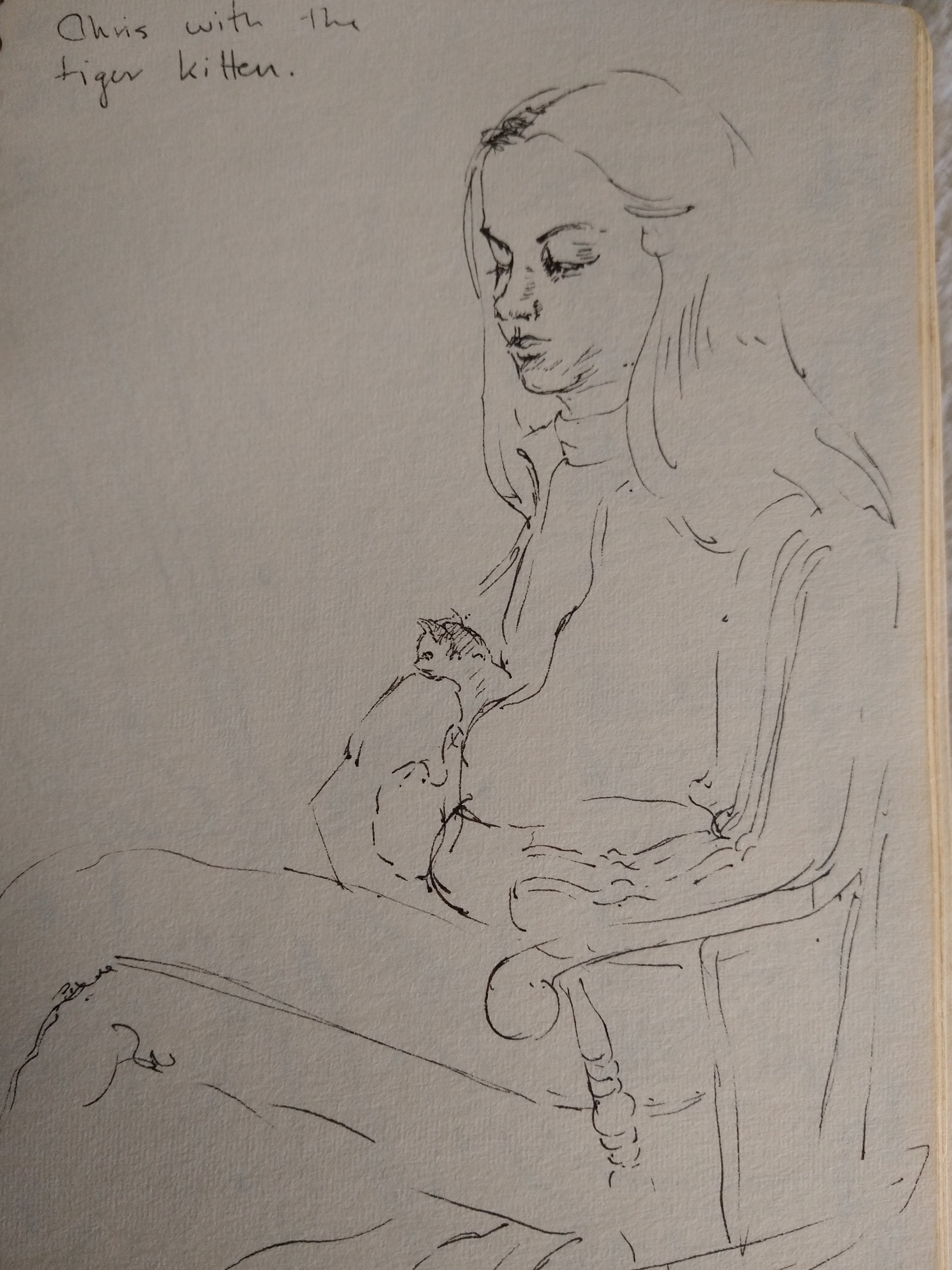
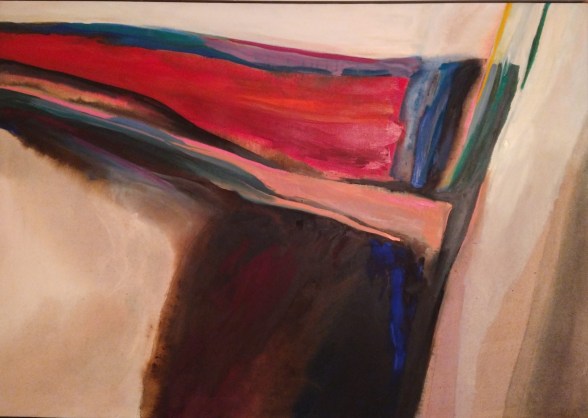
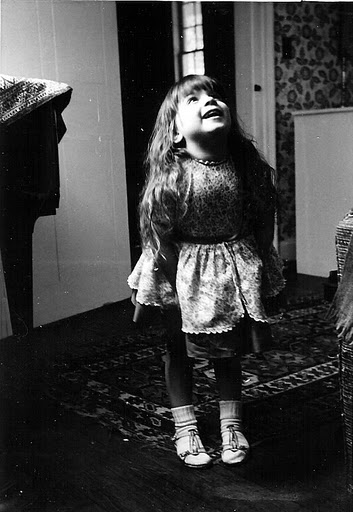
My mother, Helen Burling Ottaway, drew my sister, Christine Robbins Ottaway, in a sketchbook in 1978. I was an exchange student in Denmark. She mailed me the sketchbook for Christmas that year. She died in 2000 and my sister died in 2012, so this is a memorial for both of them.

memorial

Today is my sister’s birthday, Christine Robbins Ottaway. She died of breast cancer in 2012 at age 49. She had gotten stage IIIB breast cancer at age 41. She went through mastectomy, chemotherapy and radiation and was clear for two years. Then it recurred and she returned to treatment, rounds of chemotherapy, a gamma knife radiation, another gamma knife and whole brain radiation. She was very very strong and tough and fought the cancer right up until the end.

This photograph was taken at my father’s 70th birthday party, in 2008. My friend Maline took the photograph. She and other old friends gathered and we sang the family folk songs.

Here is a drawing that my mother Helen Burling Ottaway did in 1978 of Chris. My mother always had a sketchbook. This is one she sent to me, because I was an exchange student in Denmark that year. At Christmas I received the wonderful sketchbook with my mother’s comments. My sister was 14 when I went to Denmark and I was 17.

Chris Ottaway by Helen Ottaway, 1978

AtoZ Theme Reveal

My theme for the April AtoZ blog challenge this year is art. I think it will mostly be my mother’s art. She died in 2000 of ovarian cancer. My only sibling died in 2012 of breast cancer and my father in 2013 of emphysema. And I have the art: my parents were both packrats and trying to deal with the house and an out of date will took about three years. Moving stuff around, getting rid of stuff. The art initially went in to a storage unit and then into my house. My mother Helen Burling Ottaway was prolific! And she kept every single piece of art and her diaries back to high school! I found a suitcase with my grandfather’s poetry as well: that will be for another day.

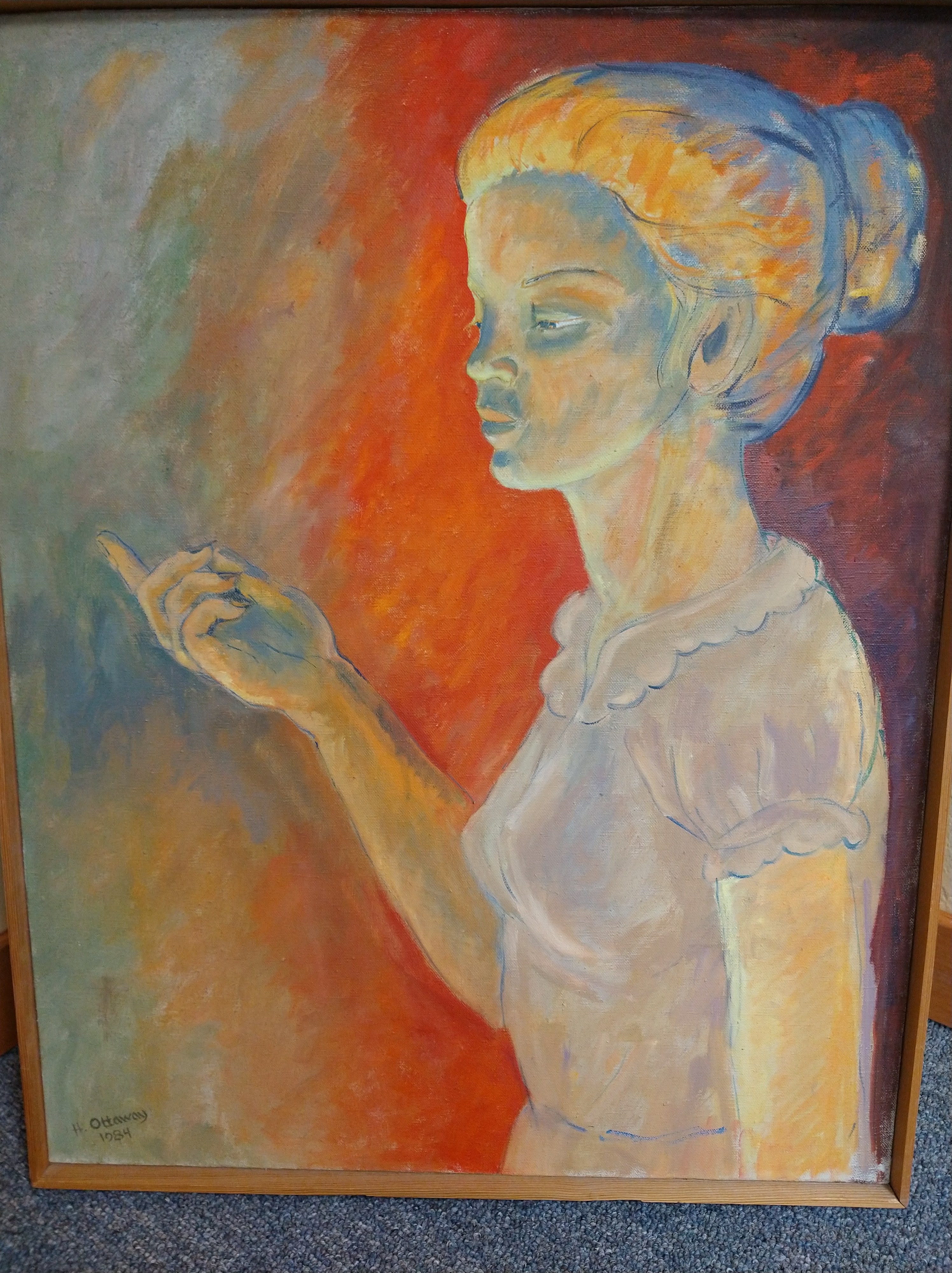
This painting is of my sister. My mother started oils later in her career and Michael Platt, a DC artist, said something like, “Quit doing tiny things. Do something big.” My mother started doing life size and larger than life portraits in chalk pastel and in oils. This painting captures my sister when she was twenty: emotions. I like it but I also think that it is frightening.

Christine Robbins Ottaway age 20, by Helen Burling Ottaway, oil, 1984

http://www.a-to-zchallenge.com/

Spring, summer, fall

I visit my friend Amy in Portland. We are friends from medical school at the Medical College of Virginia, now VCU, Richmond, Virginia.

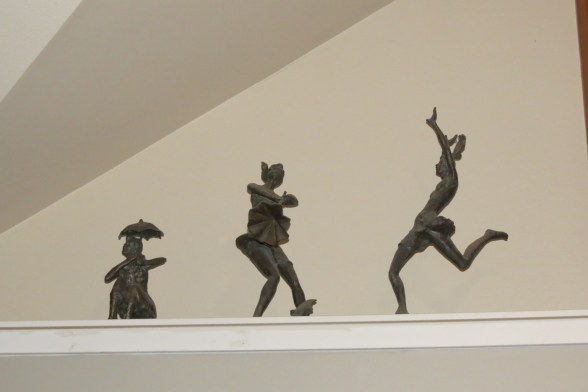
Her mother is Nancy Clough and lives nearby. Amy’s house is surrounded by bronze sculptures, because Nancy Clough works in bronze and pottery.

This series is in Nancy’s house. She says that she sold winter and needs to pour another. More than one set is out there.

I love the joy in these sculptures.

Years ago I bought a vase from Nancy Clough, when I was visiting Amy on the west coast. I still have that vase and now a new one, from this trip. I bought the smallest vase back years ago, because it was all that I could afford. My mother was an artist, so I know how much it means to artists to have people buy their work. And anyhow, I love the flowers on the vase.

I tried googling her and find her on LinkedIn. She can be reached regarding her sculptures, just message me. I want to photograph more of the sculptures in the yard, so I will have to plan another trip. Heads up, Amy, I am coming back.

Four seasons

These are etchings by my mother, Helen Burling Ottaway, who died in 2000.

All four are done with the same etching plate.

Winter is done first. The zinc plate is covered with a protective layer and then she draws with tools, including dental tools. The plate is placed in an acid bath. The acid etches where the drawings are, different depths. The protective layer is removed. The plate is inked. Most of the ink is gently wiped off and the plate is placed on the press. Wet paper is laid on the plate and the heavy wool covers are folded down over that. The press is run. The wool is folded back on the other side and the paper is lifted and laid to dry.

The plate is re inked for each one.

She puts the protective cover back on the plate and adds the buds for spring. These are etched. Winter is now gone, the plate has changed. She prints all of the spring series.

Next is summer. Leaves are added. She prints those.

Last is autumn. Now there are leaves on the ground as well. She does some the plates with more than one ink color. This was one of her largest etchings. She did a small series first, where the etchings were about 4 by 6 inches. This was 18 by 24. She had a really big etching press. I don’t know who has it, my sister took it to California and it disappeared.

I have the etchings and I have all the plates. I can’t run this series, I could only run autumn. I grew up surrounded by my mother doing art, etchings, watercolors, oils, lithography, a constant sketchbook and crafts. I took a painting class a few years ago. The instructor says, “Acrylics are NOT watercolors.” I reply, “I know how to DO watercolors.” I was being quite creative with the acrylics only I automatically used the watercolor techniques that I grew up with.

The photograph doesn’t really do them justice. I will have to take some more. Plus I have her slides in some of the boxes left from when my father died. More cataloging.

Blessings and good memories of my mother.
If

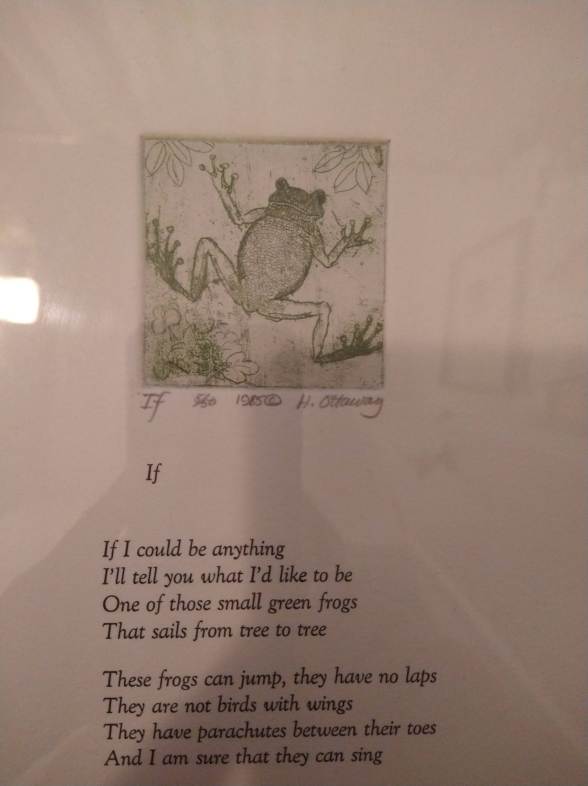
This is one of the ten poems that my mother made etchings for, the year I was just done with college. 1983-4. I wanted to write, but had no idea what to do with the poems that I was writing. My mother Helen Burling Ottaway had done a series of etchings with a family friend’s poems, so I asked if she would do the same with me. She said, “Yes, on one condition.” “What is that?” “They have to rhyme.” She did not like the free verse. Almost all of the poems were about animals, except for one about my sister. Another friend printed the poems on a lead type press and then my mother worked on editions numbered 1-50 of each, inking the plate separately for each one. This one is number 5/50. You can see the imprint of the plate on the paper in the photograph.

If I could be anything
I’ll tell you what I’d like to be
One of those small green frogs
That sails from tree to tree

These frogs can jump, they have no laps
They are not birds with wings
the have parachutes between their toes
And I am sure that they can sing

They spread their toes and jump so high
To float like snowflakes in the air
Frogs fall like rain from clear blue skies
It must be nice up there

Why they jump I do not know
Maybe escaping hungry eyes
Perhaps to catch a tender bug
Or they just like to fly

If I could be anything
I’ll tell you what I’d like to be
One of those small green frogs
That sails from tree to tree.

Makeup

Poem: Makeup

For a fellow blogger and for the Ragtag Daily Prompt: Still. I am thinking of both stillness and of still photography. A photograph. For a still, I think that it is usually posed. I like taking portraits when people are not posed.

Painting angels

You were an artist
You are an artist
You said that you’d have to live to 120 to finish all your projects
And died at 61
I keep wondering
what the art supplies are like
and if you work on sunsets
or mountains
or lakes

Trey, 9
made a clay fish last summer that I admire
He said grumpily “It’s too bad Grandma Helen died before I could do clay with her.”
He tells me he’s ready to make raku pots to fire in your ashes as you wished
I ask what he’d make
He considers and says, “What was Grandma Helen’s favorite food?”
I can’t think and say that she liked lots of foods
At the same time wondering squeamishly if maybe
he should make a vase and then being surprised
that I am squeamish and thinking of blood and wine,
too, I wonder if my dad would know. “Maybe guacamole.”
I need to find a potter to apprentice him to.

Camille, 4.
asks how old Grandma Helen was when she died.
I explain that she died at 61 but her mother died at 92.
Camille asks how old I am.
40.
When are you going to die?
I say I don’t know, none of us do, but I hope it’s more towards 90.

Camille studies me and is satisfied for now.
She goes off.
I think of you.

I perpetuate
the Christmas cards you did with us
upon my children.
They each draw a card.
We photocopy them and hand paint with watercolors.
Camille wants to draw an angel
and says she can’t.
I draw a simple angel
and have her trace it.
She has your fierce concentration
bent over tracing through the thick paper
She wants it right.
The angel is transformed.

My kids resist the painting after a few cards as I did too.
Each time I paint the angel
to send to someone I love
I think of Camille
and you
and genes
and Heaven
I see you everywhere


January 19, 2002

published in Mama Stew: An Anthology: Reflections and Observations on Mothering, edited by Elisabeth Rotchford Haight and Sylvia Platt c. 2002

For the RDP: another day.