The AntiDating Patch II

Gosh, again? Once again I am giving up on dating, because, well…. I just cannot even IMAGINE beginning to share my past life. Heh. I suppose I could do one of those “We never talk about the past” relationships, but BLEAGH. Sorry, boring.

So, I quit. As I wrote in The AntiDating Patch, people are contrary beasts and nothing makes them more interested then being engaged/and/or/quitting dating. How do I get around this? Wearing the PATCH(Tm) is not enough. (I chose itsy bitsy country of origin of my choice, just FYI, not the boxers and ick, not the speedo).

Quitting won’t work. I will be hounded. My microbiome will start howling and send out pheromones to the other microbiomes and people will gather round. No! I say, No!

Better to date. Hmmm. I think I will date the birds in my yard. The male deer are a bit spiky for my taste, a little scary to get close to. I like the raccoons, they are VERY good at growling and protect their young. The coyotes are shy but I’ve seen them within a block and by my former clinic. Also one on three legs by the hospital. I wonder if he was considering the ER? I find great blue herons fascinating and wish that I could fly and land in trees. I could date a tree, right? Be anything you want to be? At one point I was so fed up with people that I decided to be a tree.

There. I will peel the AntiDating Patch off in a week and date the local flora and fauna. A week of the patch will reinforce my resolve and then I can go moon at trees, or a blue heron, or a coyote.

Phew, problem solved and plan laid. I won’t have to explain my life at all, at least not in English. I have had a blue heron circle back to land in a tree when I was trying to talk blue heron. The heron looked pretty fierce, I am afraid that what I am saying is probably an insult. It’s easy to pick up the nasty slang in another language. Maybe they will teach me if they sense my deep and positive intentions. I hope so, don’t you?

Microbiome Dating Service

You have been perfecting your health for years.

You know the antiaging regime and you follow it religiously.

You have read Jeffrey Bland. You have been tested for the mthfr mutation. You understand pandas. You have taken a functional medicine class and you’ve studied biochemistry in your local functional medicine group. You have reversed your autoimmune symptoms by a combination of the best from Dr. Ballantyne and Dr. Perlmutter. Your adrenal fatigue is gone. You have the pajamas that Dr. Oz says help most with sleep. You know your supplements backwards and forwards and have visited the clean green factories that make them.

You are healthy.

You are ready for the perfect relationship. But…. would you want to date someone who doesn’t take care of themselves? What if they don’t care? What if their bacteria invade YOU?

WELCOME TO THE MICROBIOME DATING SERVICE!

We will remove your fears and cares. All clients agree to a monthly detailed microbiome stool screen. You will date healthy people. If a screen fails, a client is notified and all dating partners are notified as well. Clients agree to EXCLUSIVE DATING with other healthy people, tested and monitored.

You are healthy. You want to stay that way. WELCOME TO THE MICROBIOME DATING SERVICE!

WE KEEP YOU SAFE.


http://www.nytimes.com/2013/05/19/magazine/say-hello-to-the-100-trillion-bacteria-that-make-up-your-microbiome.html?_r=1

AtoZ Theme Reveal

My theme for the April AtoZ blog challenge this year is art. I think it will mostly be my mother’s art. She died in 2000 of ovarian cancer. My only sibling died in 2012 of breast cancer and my father in 2013 of emphysema. And I have the art: my parents were both packrats and trying to deal with the house and an out of date will took about three years. Moving stuff around, getting rid of stuff. The art initially went in to a storage unit and then into my house. My mother Helen Burling Ottaway was prolific! And she kept every single piece of art and her diaries back to high school! I found a suitcase with my grandfather’s poetry as well: that will be for another day.

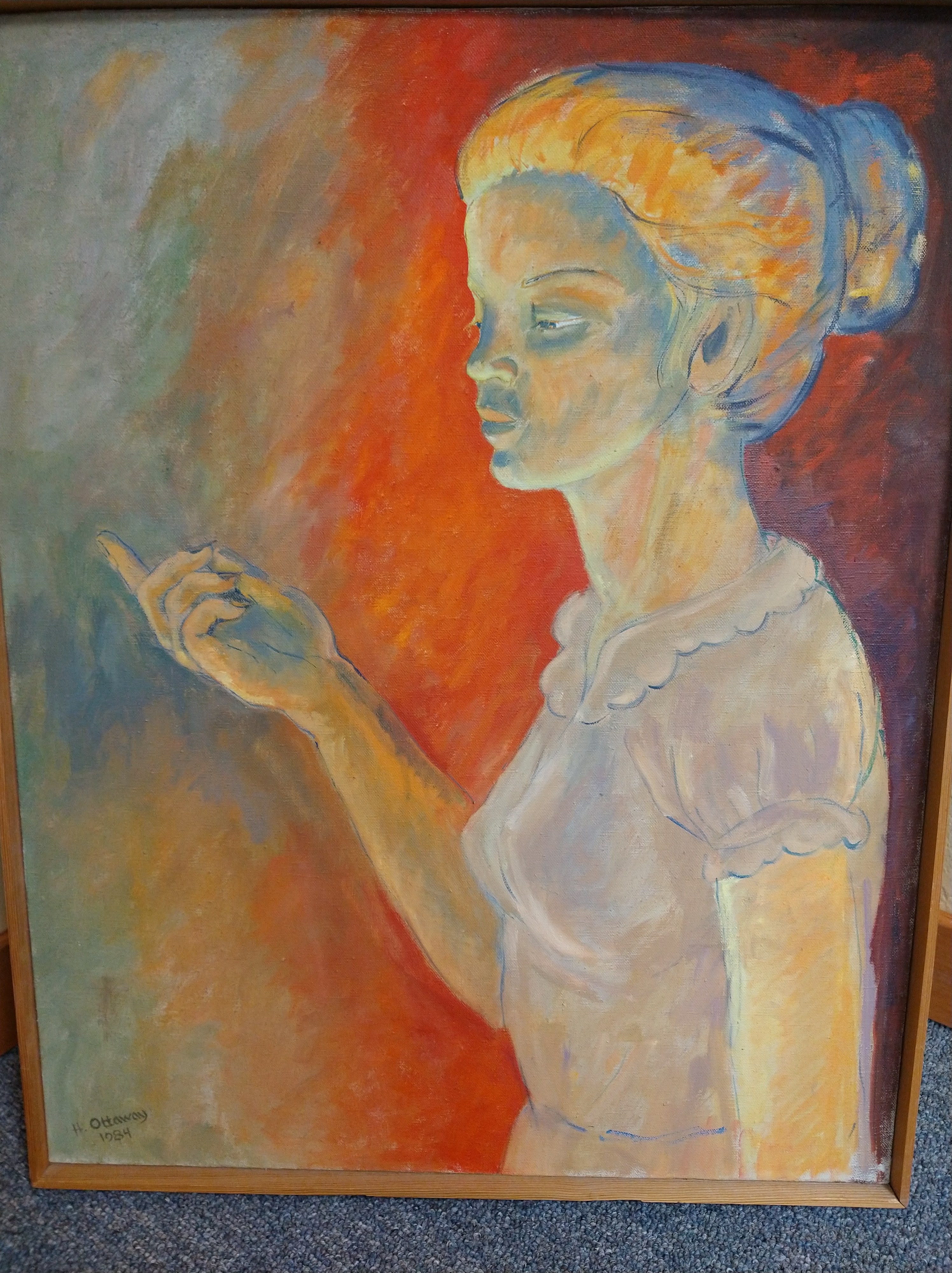
This painting is of my sister. My mother started oils later in her career and Michael Platt, a DC artist, said something like, “Quit doing tiny things. Do something big.” My mother started doing life size and larger than life portraits in chalk pastel and in oils. This painting captures my sister when she was twenty: emotions. I like it but I also think that it is frightening.

Christine Robbins Ottaway age 20, by Helen Burling Ottaway, oil, 1984

http://www.a-to-zchallenge.com/

playing telephone

If they whisper from one end to the other, does it get garbled before it reaches the other end?

Isn’t gossip a sin?

For the Ragtag Daily Prompt: chaos.

Fibbing Friday: defining monetary terms

  1. In the world of international finance, what do the abbreviations, USD and GBP stand for? USD stands for Use (the) Stocks, Darling and GBP stands for Good Bonding Place. See number 3.
  2. What exactly is cryptocurrency? Currency that is cryptic and actually invisible, as well as unstable. You can’t hold it, you can’t touch it and it only exists as long as the servers have current. That why it is called currency. Once the current is off the cryptocurrency disappears.
  3. What is the difference between stocks and bonds? Stocks are immobile, usually made of wood, and are not all that common now, except in really retro BDSM dungeons. Bonds are very mobile and can be made of velvet, or metal as in handcuffs, or nearly anything that you can tie someone up with. Wire and barbed wire are not ok. Use the safe word.
  4. What is meant by a β€œbull” market? This is a market that sells a lot of bull. It is very very common.
  5. What is meant by a β€œbear” market? This is when the bears show up and devour all the bulls.
  6. What is a stock split? Usually one uses an ax or a chainsaw to demolish stocks. Rarely, those demolition people who blow up buildings are called upon, but this does not leave neat halves. Stock splits are often the product of either a divorce or the sale of the building holding the retro BDSM dungeon.
  7. What exactly is crowdfunding? My favorite crowdfun involves the pop up singing where one person starts singing and it turns out that the entire chorus is standing around in a crowd. Flash mobs! Some people prefer demonstrations or driving a lot of trucks around the beltway. I do not think storming the Capitol is a good crowdfun.
  8. What is a pension? These no longer exist in the US.
  9. What is a 401(k)? 410K is the number right before the answer to the universe, number 42. Once we reach 41, everyone says OK, because 42 is next.
  10. What is day trading? Trading that does not occur at night.

For Fibbing Friday.

Flashmob:

first impressions

I am taking a writing class and our next book is on cultural appropriation.

This interests me. I tend to be a little gender blind and race blind when I meet people. I am using my super skill instead. My skill is developed from a really scary childhood: I read the stuffed emotions. The stuff people are hiding.

No way, you say. Oh, yes, I say.

My sister described coming home from high school and stopping when she walked into the house. She was trying to sense what was going on. Were our parents fighting? Was our father drunk? Yes, he was drunk, but which stage?

We talked about the stages and which we hated most.

Stage goofy/silly was annoying but not toxic. We said we had homework.

Stage asleep in a fetal ball in the upstairs hallway. My sister said she would step over him to get to her room.

Stage maudlin. We both agreed this was the worst. He would cry and say, “You can tell me anything.” Once he caught me in that stage and I was in tears by the time my mother got home. I left the room. The next morning mother said, “He said you two were discussing the cat’s disappearance.” I didn’t answer. We never said a word about the cat. I didn’t know if he was lying or was too drunk to remember it the next day, so made it up. Don’t care. Avoid.

He was never physically abusive. He and my mother would scream at each other at 1 or 2 am through most of high school. Reading her diaries, she writes that she drinks too much. I think they were both alcoholics, thought the family story is that he was the bad one. But I can’t imagine yelling with a drunk at 1 or 2 am for an hour. What is the point? They are drunk. So either she was drunk too or needed to fight.

Emotionally abusive, yes, both parents. My mother would take any show of fear or grief and tell it as a very very funny story to every person she ran into. Is it any surprise that I had to go into therapy after she died to learn to feel fear or grief? My sister would say, “She’s got her stone face on,” about me. Um, yeah, I am NOT going to let my family see my emotions…

Anyhow, that is what I read in people when I first meet them. It’s not the suit, the clothes, the make up, the race, the gender. I pretty much ignore those. I was fashion blind in junior high, a girl geek, could not read the code and did not care. I had given up on socializing with my fellow students. I was hopelessly bad at it. I did a lot better with the adults around my parents. I could have actual conversations with them.

I had one patient who was transgender where I couldn’t remember which direction. I didn’t care, either. That was a really angry person. Anger is always covering other emotions, so I avoided pronouns and tried to be as gentle as possible.

I complained to a counselor once that I can’t turn this “off”. And that it’s fine in clinic with patients, but it screws with my relationships with my peer doctors. They do not like it if I “read” them.

It took me years, but I finally realized that I have to use my clinic skills with everyone. I can’t turn off “reading” any more than you turn off your eyes when you meet a new person. But I can be as gentle with everyone as I am in clinic. I realized that as I started on a trip and the trip was amazing, everyone was so nice.

This reading is a product of a high ACE Score: Adverse Childhood Experiences. I score about a 5. One of my patients set off my ACE alarms on the first visit. I asked if he had had a rough childhood and gave a very short explanation of ACE scores. “Oh, I am a ten out of ten,” he said. He was, too. Ran away from home at age 6 or 8.

The ACE scores of all the children are rising from the last two years. The war will raise them even more, worse for the children there and the kids trying not to starve in Afganistan and Syria and world wide.

It will be interesting to read about cultural appropriation. But I don’t care much: I don’t “see” those things when I meet someone.

Hugs and blessings.

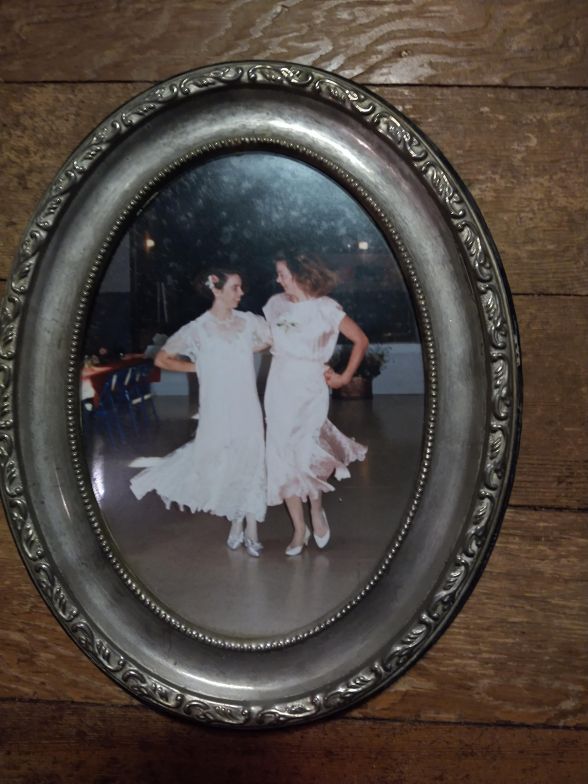
The photograph is me and my sister Chris in 1987, before my wedding. We were dancing before the wedding. She died in 2012 after 7 years of breast cancer.

Doctors and nurses and hospital staff are the last caregivers for the elderly alcoholics and addicts who are alone, whose families have finally cut them off. I think this song illustrates their pain. We try to take care of them.

Update on Addiction 2022: Mouse Cocaine Addict Studies

Recent experiments on mice are giving us interesting information on addiction, and suggesting that l-dopa may be able to control/mitigate addiction. This lecture about how dopamine works in addiction using a mouse model (poor mice) blew me away. The mice fell into two categories: maintenance users and vulnerable addict rats. The study of the dopamine postulates a reason for the difference.

20th Annual Drug Conference Washington State from 2019

Notes from lecture 3: Paul Phillips PhD
Dopamine Neurotransmission in Substance Use Disorders: from Preclinical studies

For a long time there were no agreed upon animal models: rats don’t steal money from other rats to buy drugs. However, rats do get addicted and this can be studied.

There are features in rats, rat behavior and rat brains that might translate to humans.

1. Basic discoveries about dopamine neurotransmission in substance use disorders is discussed.
A neurotransmitter study checking every ten minutes in brain examines two areas: dorsal and ventral striatum. Dopamine is increased in the area between cells from the administration of substances “first time use” in animal models: cocaine, alcohol, methadone, cannabinoids, nicotine, amphetamine, morphine. This is the first clue re addictive drugs, whether there is an increase in dopamine intraneuronally. The endpoint is that direct effect on dopamine receptors, which has a different brain mechanism for each drug. Cocaine blocks the receptor that reuptakes the drug into the neuron. Methamphetamines and amphetamines reverse the reuptake pump, makes the receptor spit it out. Gaba neurons act to inhibit dopamine neurons, normally mu receptors on the gaba interneurons and the opioids block those. Ethanol has another mechanism of action. It changes inhibitory activity, lowering the inhibition of the gaba interneurons. Nicotine REALLY messes with multiple receptors and multiple cells, but main effect is increase of dopamine in the striatum.
Increased dopamine in human brain relates to the feeling of being high: brain PET scans show amphetamine and dopamine bound less, reduction in the binding. Subjects were substance abusers. Subjective questioning of how high they felt correlated with the amount of dopamine released on the PET scan. Methylphenidate was used in that study. Canada study: cocaine increases dopamine in human brain by PET scan.
Addiction does lead to changes in the brain, on both PET scans and functional MRIs.
PET scans measuring dopamine binding in the brain show that the baseline in brains of substance abusers differs from non-abusers. The levels of dopamine receptors is lower in the substance overuses and there is lower binding than controls: heroin, alcohol, meth, cocaine (and obesity and ADHD…..). (This has been known for opioid overuse and chronic use for a while: the brain cells withdraw receptors, so the same dose does not reduce pain because there are less receptors. The change in receptors appears to vary in different subjects. Recovery is very slow.)
The role of dopamine has been confusing. It is known that it is involved in the cue evoking cocaine “craving”, but is also involved with — satiety. This has been confusing and contradictory — what does dopamine do but also the dynamic structural signaling.

2. The animal studies demonstrate that the dopamine signals are phasic.
Rat studies measure changes in dopamine minute to minute electrochemistry for sub-second dopamine detection in vivo, which means we can measure changes in dopamine in real time. There is an identified output signature for dopamine levels, measure in 8.5 millisecond, ten measures per second.
The rats were voluntarily taking cocaine. The cocaine was available in a liquid with a light that would come on when it was available, for two hours daily. The animal presses a lever when the light cue is on and gets an infusion of drug. With the ten measures per second, the first and smaller dopamine response in the brain is before the lever is pressed. That is, there is a rise in dopamine BEFORE the rat presses the lever. If stimulated dopamine, the animal would go press the lever. Then there is a larger reward dopamine signal when the drug hits.
Dopamine is the chicken and the egg: signal to USE and signal that has ARRIVED.

3. Changes that take place with drug use
There is a signal change over time that correlation with features of addiction.
The mice had an implanted brain electrode, tinier than human hair, 7 microns, biocompatability — don’t make the brain attack it as a foreign object so rat brain keeps working. The study involves tyrosine hydroxylase, a precursor of dopamine. A food pellet response of the tyrosine remains the same at 1, 2, 6 months so can monitor substance abuse brain changes. These are cocaine addicted rats. They get cocaine via a nose poke of a button when it lights up. Pellets, not iv (they learn that faster). There are 2 ports to nose poke: active and inactive. The signal that cocaine is available and the pellet is active: a light comes on for 20s and then drug arrives. Can take again after 20sec. The rats titrate cocaine use: not continuous. They pace cocaine use, wait for it to wear off. Over time, drug use 1 hour access daily… slow increase, relatively stable.
When the access is bumped up to 6 hours access daily… rats do increase use — first of 6 hours, escalation of drug use faster — in humans development of tolerance.
With 1 hour cocaine availability, the dopamine response to the cocaine in the rat brain is lower by the 2nd and 3rd week, slowly decreases, then with 6 hours of access the loss of dopamine is very robust, happens faster, dopamine signal gets smaller every time.
Rats long access: were there individual differences? Yes, metric, nonescalated vs escalated groups so like humans. 60 escalated 40 didn’t and stayed stable. So essentially I named these “Vulnerable addict rats” and “Maintenance rats”.
Which group most motivated to take cocaine? The study ups the price of cocaine for rats, how many times are you willing to receive the drug? The escalating animals made more responses, “worked harder” for the drug. The escalator brains, Vulnerable Addict Rats, had just about a complete loss of dopamine signal by three weeks.
The nonescalators had more stable dopamine responses, retained some dopamine brain function.
The greater the loss of dopamine, the more the animal escalates the drug use.
The Vulnerable Addict rats would use cocaine to the exclusion of food, water, sex and sleep and died early.
This is a feedback loop. The rats get a success signal when the drug is taken — but over time don’t get the success signal because dopamine receptors are gone — so take more. In the Vulnerable Addict escalators, the dopamine signal of anticipation goes down in response to the cue, the drug effect takes a little longer but the pharmacological response to drug actually remains.
They tried giving l-dopa, a parkinson’s drug and if treat, the rats get a restoration of the dopamine cue — pharmacological response didn’t change — how does this affect behavior? A daily shot of l-dopa and the animals on the l-dopa have less escalation. (wow!) The l-dopa didn’t affect the nonescalators/maintenance rats. When they remove the l-dopa in the vulnerable addict rats, the animals jump to higher use and so the brain changes are happening even when it is masked by the l-dopa but does not stop the brain changes.
They ask the question: can you reverse escalation? With the the l-dopa, they use less.
Dopamine signaling to take drugs (the anticipation cue when the light goes on) decreases in animals that escalate drug taking, but does not change in animals with stable drug taking.
Restoring dopamine signaling with l-dopa can prevent or reverse escalated drug taking.
This dopamine signaling….

4. Mechanisms — drug cue elicits dopamine.
So this is about triggers. This is a paired drug cue: the light signals that the drug is available. If a non-contingent drug given to animal, the light still elicits drug seeking. Using a naive animal: pair reward with cue, over time the cue will increase dopamine.
(hmm. Facebook. blogging. Instagram. “You have mail”. )
The initial addiction has a short access time. One hour out of 24. When this is changed to long access, some animals escalate vs non escalation — as take more and more drug, the response to the drug taking cue gets larger in the escalators/Vulnerable Addicts. Presentation of cue — by investigator vs animal:
If elicits drug seeking than the dopamine response gets larger to the cue over time.
If the cue is given but other choices of liquid, then the dopamine response gets smaller in some rats — so terminating drug seeking. The Vulnerable Addict Rats had a larger and larger dopamine craving cue spike, the longer they were off the drug. The the increase in the cue drives craving and decrease drives seeking — so both bad.
The conclusion in the rats is that craving for drug, related to cues, is dependent to length of time off drug. The longer the rats were off the drug, the larger the dopamine spike when the cue light comes on. The measure of cue behavior gets worse …. 60 day study in rats, this is not physiological withdrawal, is prolonged way beyond the withdrawal.
1. noncontingent
wait a day or wait a month
work harder to get drug, harder a month out
reaction to drug cue presentation, enhanced over time
at start of drug small signal to drug cue
long access then cue gets bigger
same a day after stop drug
but huge in a month after no drug — huge dopamine response

(my thought was then swearing. how do we treat this?)
In chronic drug use the cue signal shrinks which reinforces drug use AND stopping increases the cue response which ALSO reinforces.

5. Implications for treatment
treating rats
They discuss a virus with promotor that affects dopamine cells, light activated ion channel, cells release dopamine when light stimulated
only activates release of dopamine, to understand mechanisms.
For the self administered nose cue …. In the nonescalator maintenence rats, dopamine cue response stays fairly robust, stimulate those cells and no change.
In the escalator/vulnerable addict rats… if do a virus stimulation of dopamine in the brain, more dopamine to cue boosted, so they use less cocaine and look like the non-escalators.
5th cue less dopamine than 1st cue: if put dopamine back then maintains the drug seeking.

What underlies the decrease in dopamine release?
When the animals use cocaine, dynorphin goes up (kappa antagonist).
They injected a kappa receptor blocker — animal no longer escalate (not in humans at this time, don’t understand well enough) treating animals that are escalating, so the bad addict/vulnerable rats.
Most animals don’t escalate — but pretty serious amounts of drug cocaine so not abstinent.

For future
Dopamine diametric changes: dopamine may reduce consumption but might increase craving, so it is difficult to treat.
l-dopa — treatment — some studies, looking for abstinence, does NOT produce abstinence. Does not make abstinence worse. Says that promise seen relates to the status of the subject — helps with people who are still using (some) but doesn’t help increase or prolong abstinence. So could reduce harm but not abstinent….politically unpopular. Happier with turning alcoholic into a social alcohol user, but that idea is less popular/politically ok with cocaine/opioids (and especially meth).

They are studying mouse nosepokes for alcohol — reduced intake when the rats are on l-dopa.

There is a functional agonist for kappa receptors == buprenorphine, might have effects on drug consumption, speculation across different drugs.

Dynorphin is a stress related peptide, so does that signaling produce escalation of drug taking? So other stress drugs — like corisol, CRF, plan for more studies.

Question: Stress related hormones– babies in stress in utero and in stressful childhood have less dopamine receptors and need more dopamine for pleasure, susceptibility to drug addiction (ACE scores) so is still really early studying neurotransmitters.

Dr. Question: why do people do better with agonist therapy than abstinence in opioids vs other drugs? Answer: we don’t know….. yet.

further information:
https://www.ncbi.nlm.nih.gov/pmc/articles/PMC1920543/
https://www.ncbi.nlm.nih.gov/pmc/articles/PMC80880/
https://archives.drugabuse.gov/news-events/nida-notes/2017/03/impacts-drugs-neurotransmission
https://nida.nih.gov/


People at the Farmer’s Market

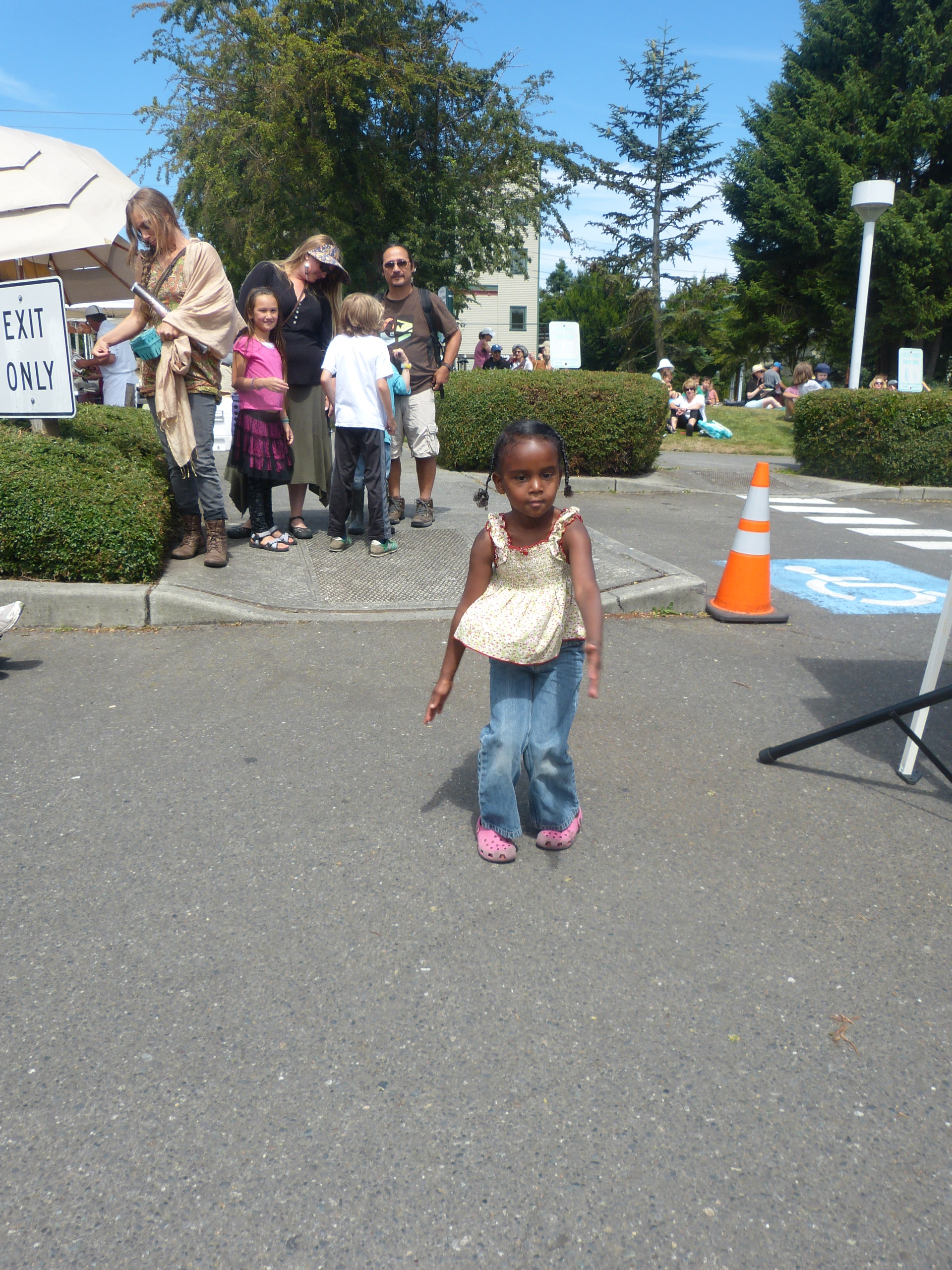
These were taken at the Farmer’s Market in Port Townsend in 2014.

People enjoying the sun and their treats.
I got to dance with this young woman!

I hope the Farmer’s Market is back this summer. I will still be masked in crowds, but I hope I get to dance!

A wonderful young dancer enjoying the band!

For the Ragtag Daily Prompt: people.

daily changes

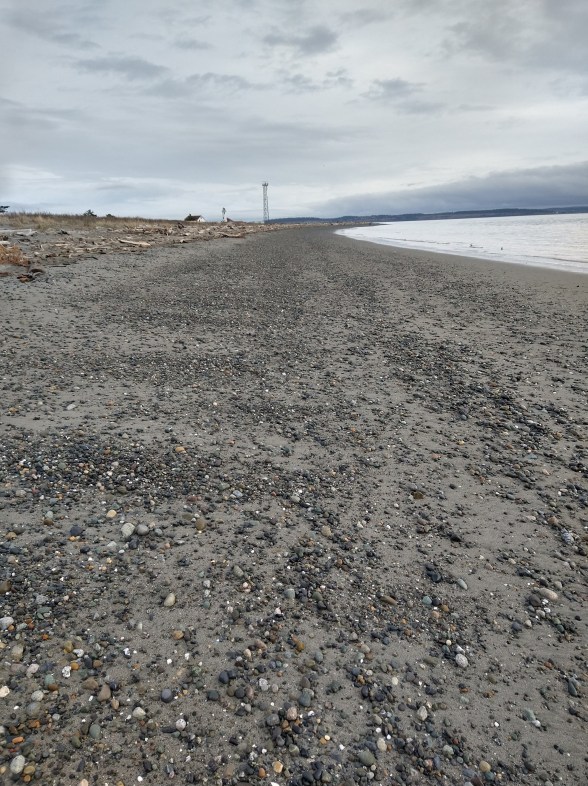
Some days this beach is mostly sand. Yesterday it is rocks and more rocks, pebbles, stones, sand, beautiful. We are having lots of cliff collapse and new rocks are washing down. I was walking on North Beach last week when I heard bits of cliff fall. I turn and look and a nice one foot by 8 inch boulder falls from the top and rolls towards me, very fast. I stumble backwards and trip over a big boulder in the sand. I don’t hit my head and get knocked out and I don’t get hit by the falling rock.

The black toes are mine, so this is a stealthie.

I start back a little and another section of cliff rains rock. The tide is fairly far out, so I walk near the water until I am back where there is no cliff. Scary. Sometimes large sections collapse all at once. Death occurs by blunt trauma rather than suffocation.

I worry about seeing shoes or feet when I see a newly collapsed section. Happily none so far.

My emotions are like the beach. Some days clear and sun and sand. Other days LOTS of new rocks. Other days stormy and the tide is very high and pulling at the sand and clay cliffs.

I receive a valentine from my daughter. She says she loves me. She says she misses the beach and the water most of all.

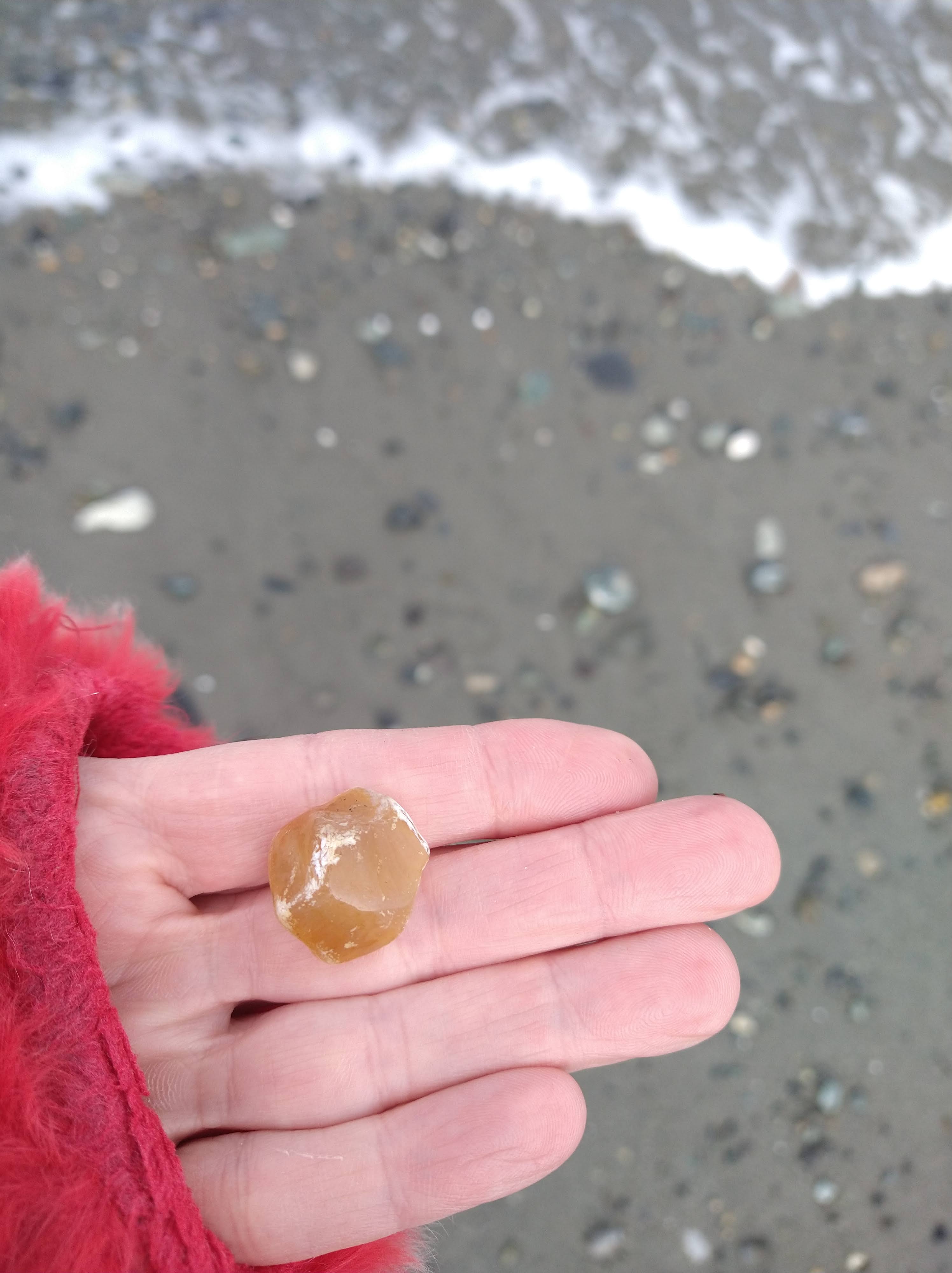
I find agates and they are beautiful. Some are clear and some are not and new ones keep arriving.

This agate lights up when the sun is out or a light is behind it.

Let the light shine through, in spite of the weather.

________________________

For the Ragtag Daily Prompt: pebble.

Illusion

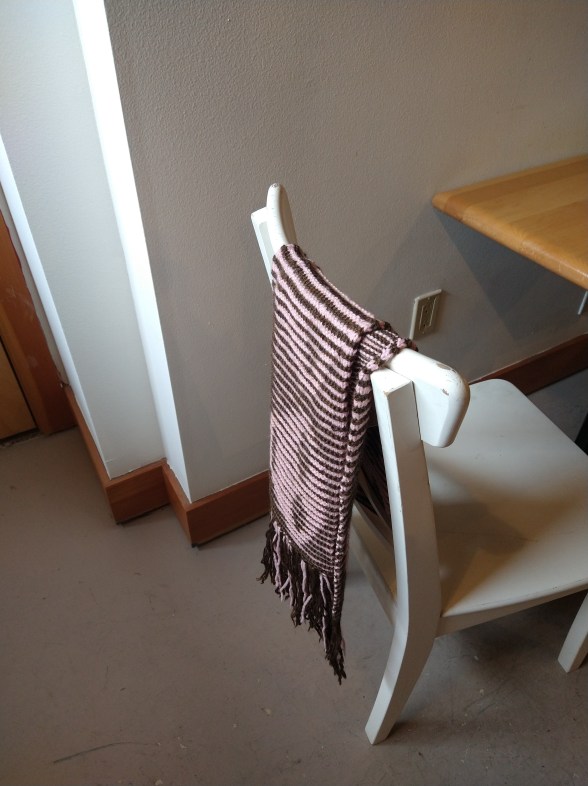
I knit this lovely striped scarf. It is just brown and pink stripes. No tricks, right? Two rows of pink and two rows of brown.

For the Ragtag Daily Prompt: wool.