Reducing recidivism: Snohomish County Sheriff’s Office and Human Services Program

The last two days have been at the 20th Annual Fundamentals of Addiction Medicine Conference in Washington State, 15 lectures. Everything from science trying to understand addiction via studying dopamine in ratbrains to the last presentation: Snohomish County started a program two years ago that pairs a social worker with a county sheriff or deputy to work with the homeless.

The county is trying to stop the revolving door of homeless to arrested to jail to homeless. 95% of the county homeless are addicted to heroin and some to methamphetamines. They don’t access services when they are “dope sick”. They describe heroin as being 10x worse than the worst influenza. I think of withdrawal from opioids as having all the pain receptors turned as high as they can go and screaming at once.

The sheriff and social worker go to the camps. They get to know people and offer services. They have helped over 100 people get their identification replaced. When someone is arrested, their homeless encampment is often stolen. No honor among thieves, you say? The rat studies address that: in addiction the brain puts the drug first, in front of food, water, sex. Some rats will access the drug until they die, just like people. I think of it as the person losing their boundaries to the drug. The conference used the phrase “incentive salience” — dopamine is released when the person or rat is cued that the drug is now available and again when the drug arrives. More on that in another write up.

At any rate, the clients do not get to appointments. So the deputy and social work start at the beginning: they make the appointment, go knock on the tent that morning, remind the person to get dressed, take them to get food and coffee and then take them to the appointment. Then they return them to their camp.

After two months, the first sheriff and social worker were so successful that the program was expanded.

They have 206 chemical dependency evaluations.
232 have gone to detox. The detox is 3-5 days. They are taken straight from there to inpatient treatment, 30 day minimum, but ranging from 30-90 days. After treatment, clients are taken straight to sober housing, with a 6 month supported stay and intensive outpatient treatment.
85% get through the detox.
59% graduate from the treatment
50% go on to sober housing and intensive outpatient.
Their first clean and sober client is two years out.

50% of the homeless who agree to the program getting to sober housing is huge. Recidivism and incarceration drop, so it is making a true difference.

The program is expanding. They have a Community Court set up, much like Juvenile Drug Court, modeled after a program in Spokane. If the person agrees to drug treatment, they can do that instead of jail. This is for minor offenders. The sheriff says that once the homeless person is incarcerated, everything is stolen. They then steal food and supplies for a new camp when released and it happens again. If the client completes the program, low level charges may be dropped. They are setting up a service center right by the court where the clients are sent immediately to talk to a chemical dependency person, to get medical treatment, dental emergencies, centralized services because these people do not have transportation.

The social worker is in kevlar and heavy clothes as well and is never to go in the encampments without the law enforcement officers: it’s usually private land so it would be trespassing anyway.

This was an absolutely inspiring presentation. It starts with outreach and intervention, and gives people choices. They will soon be opening a temporary site, up to 15 days with medical support and beds, for when a client is ready but the social worker needs to arrange the detox, the treatment, the housing. Sometimes when a client is finally ready, there are no beds. And they don’t want to send them to detox and then back to the streets. The sheriff says that he was “volutold” for the program, but he, the deputy and the social worker are all clearly inspired by the program and enjoy their work and that it is making a difference.


Any write up on addiction fits today’s Daily Prompt: messy.

opioids international

The US is not the only opioid crisis.

Reblogging:

https://www.groundup.org.za/article/woman-battles-escape-whoonga-park/

Living in the hell of Whoonga Park

Murder, rape, crime, homelessness, abuse by police … daily life for whoonga users

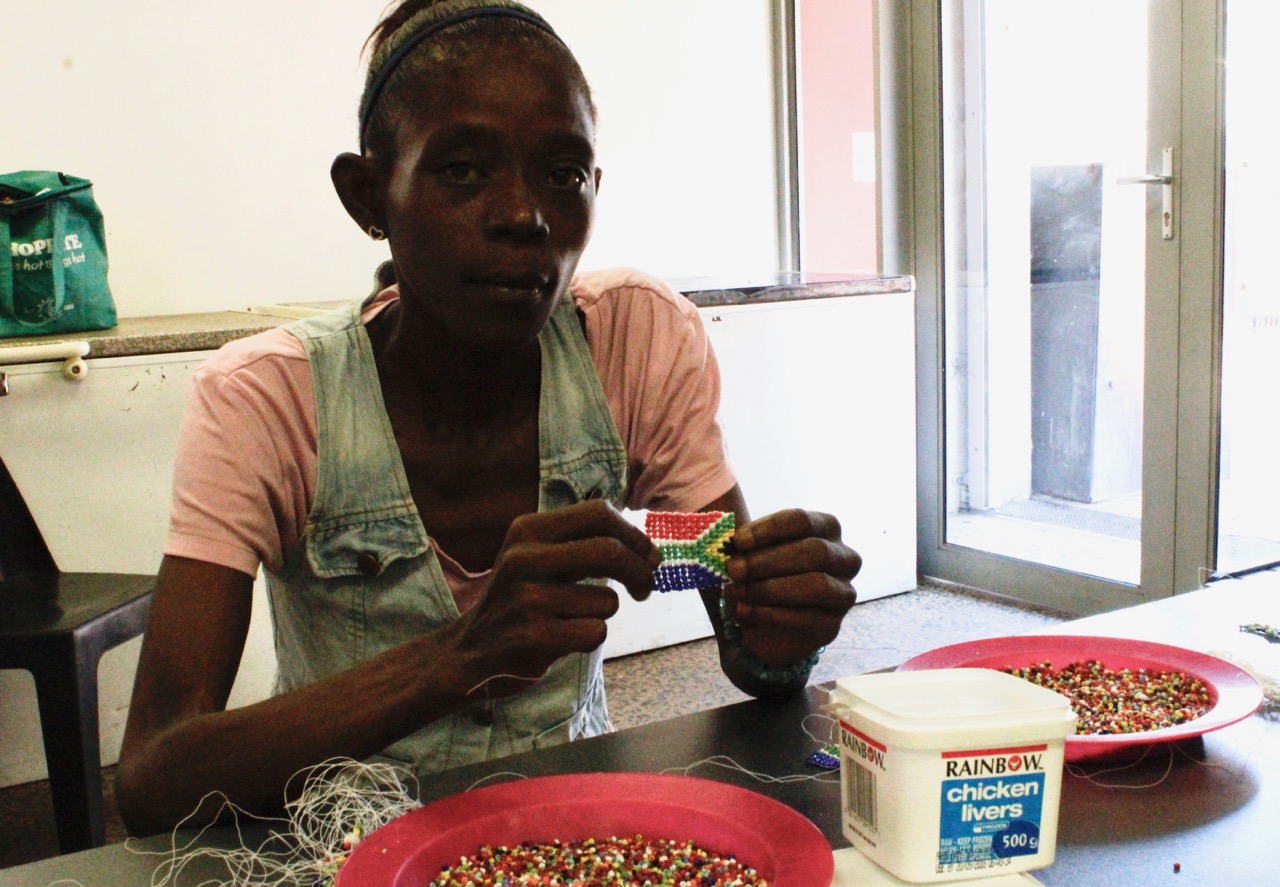
Photo of a woman holding a beaded South African flag
Nobuhle Khuzwayo doing bead work during life skills training at the Denis Hurley Centre. Photo: Nomfundo Xolo
By

“Siqalo used to be the most promising child in our house … the last born. He got the best of everything. We took him to better schools than we did his younger sister and brother. He did well for the better half of high school.Then he met up with the wrong friends, and never even got to matric,” Fanele Ngcobo tells GroundUp about his son.

Siqalo is 22. He has been a whoonga user since 2015. By 10am, he has already smoked his second fix. Without the drug he struggles to function. Withdrawal effects – which people refer to as “arosta” – include stomach cramps, vomiting, and extreme anxiety.

Whoonga is a mixture of marijuana and heroin and rumoured to contain anti-retrovirals, detergents and even rat poison. Active addiction has spread in KwaZulu-Natal townships such as KwaMashu and iNanda. Hundreds of people now live in Durban’s ‘Whoonga Park’,

Siqalo was a keen soccer player, says his mother, Sizakele. Now his worn, black soccer shoes peek out from under the bed in his old room at home in iNanda, Durban.

“He always went for practice with his friends at the local playground. But after a while, soccer wasn’t the only thing he and his friends were playing with; he was also experimenting with dangerous drugs,” she says.

Siqalo lives in so-called Whoonga Park, under a bridge next to the Berea railway lines in Durban. The park has become a den for whoonga users. They have bright beach umbrellas to protect them from the heat and black plastic bags for shelter. The activities under the bridge are in plain view. People trade and smoke. In the afternoons and at night, many take to the city streets to hustle for food and the money they need to buy their fix.

“There are no beds here. Even if you can get a blanket or sheet to sleep in, it doesn’t last a week. The police will burn it,” says Siqalo. “So it’s easier just to use cardboard and plastic as it is easy to find in the streets. Although I miss home, I cannot go back home like this. I need to be clean. My family doesn’t trust me around the house and for good reason because I’ve stolen their money and appliances too many times. I tried to be clean when they first fetched me, but arosta is too painful – nobody can understand. But I still want to go home.”

Cooked meals, showers and clean clothes

Nobuhle Khuzwayo from eMpangeni, KwaZulu-Natal, is one of those trying to get off whoonga. She attends the iSiphephelo Centre housed at the Denis Hurley Centre in Durban, where she gets cooked meals and clean clothes three times a week. For a few hours she is free of whoonga.

Co-founder of the centre Sihle Ndima says it is a place of safety for young girls and women living on the streets of Durban. It offers meals, counselling, clean clothes and showers.

“Many of them return back to the streets soon after classes, and the work we do seems like failure, because in the end they go back to using whoonga,” says Ndima. “We work with a rehabilitation centre in Newlands East, Durban, and they offer free help.”

Khuzwayo, who is 30, came to Durban seeking a job in 2014, but after numerous failed attempts, she was left homeless and desperate.

“The shoe factory I was working for closed down after a month. Thereafter it was difficult to get employment. I had been staying at the Dalton hostel with some friends, who later introduced me to smoking. They would tell me it was marijuana, but after becoming a frequent smoker … I would get headaches, pains and stomach cramps when I hadn’t smoked. I just could not cope without it. When I confronted them, they told me it was in fact whoonga. I was already deeply hooked,” says Khuzwayo.

She could no longer live at the hostel. She moved to Whoonga Park. To get money she would have to resort to sex work, crime or selling cigarettes. She found a boyfriend who sold cigarettes at taxi ranks to help get them food and the R30 a day they needed to buy whoonga.

“To survive on the streets, I got myself a boyfriend because you can’t survive a day alone under the bridge as a woman. There are men known as amaBhariya, who claim to own the spots in Whoonga Park. They do not smoke or deal the drug; they do not speak local languages or even English. They are ruthless. They rape and kill women under the bridge and make sure the park functions the way it does. They wear blue workmen’s clothes and hats and use the underground drains to move around. So if you don’t have a man to protect you, they will always take advantage of you,” says Khuzwayo.

Merchants outside the park sell whoonga for R30. “They are usually in the streets or in nearby flats but not many sell whoonga under the bridge,” she says.

Hundreds now live in Whoonga Park beside the railway lines in Berea, Durban. Photo: Nomfundo Xolo
Khuzwayo has now moved to a local shelter, paying R20 a night. Her closest friend had TB and when she died it was a turning point.

“I am tired of this life. I am determined to change. I don’t want to die a senseless death without dignity,” she says.

She is now a part-time cleaner at iSiphephelo. After attending all counselling and life skills classes she will qualify for rehab. “After rehab, I am going to go back home and stay with my sister in eMpangeni. You cannot stay away from whoonga in the city,” says Khuzwayo.

Siqalo and Khuzwayo say whoonga users are known as amaPhara. “Because we look like zombies. We’re dead people walking. We sleep standing. We stab you for your phone and sell it for a fix. Plastic and rubble is our shelter, faeces and rubbish are everywhere, and we run from police who destroy our things and chase us away every week. But we always come back. We can’t survive anywhere else,” says Siqalo.

Khuzwayo says she has seen people high on whoonga killed by trains.

“You can’t save them, because it’s like the railway shocks you, and you’re unable to move … seeing the train come at you but unable to run. I’ve seen some getting crushed in half and some losing their limbs. Even a security guard, who was chasing us one time, got stuck and the train crushed his foot.”

“One way or the other, you’re lucky to survive under the bridge.”

reblogged from: https://www.groundup.org.za/article/woman-battles-escape-whoonga-park/

toxic people

Are there toxic people?

No, I do not believe so….

I think there are toxic interactions.

Toxic behavior. And it takes two to tango, really.

Do I have to stay away from someone who behaves badly? Do they set me off? Well, that’s about me, isn’t it? I need to go look in the mirror and see what is bothering me. What does this remind me of? Are they getting under my skin? So what part of my skin needs better boundaries?

I realized that my father drank too much when I was in college. I read about it and went home, ready to intervene. My mother and my sister refused, much to my surprise. And slowly I realized that my mother was enabling the drinking.

I set boundaries with my father. I said that he could not come to my house drunk and he could not drink at my house. I refused to sleep in my parents’ house because he was falling asleep and there were cigarette burns in the floor and an 8 inch diameter one between the couch cushions. I told my mother I was having nightmares about fires. She joked that she would be mad if he burned a hole in the waterbed. I told my father I was afraid to sleep upstairs and moved to my grandmother’s, two doors away. I was lucky that I had that option.

My father stopped drinking a decade later. I took my young son to visit, and found that my father had started again. I asked my mother, “Why didn’t you tell me?” She replied, “I told you I would leave if he drank, but I am not going to leave.” I said, “We are not staying with you.” and we moved to my mother-in-law’s house.

As a family doctor, I try to help each person. My clinic and I do have boundaries. If they no show for three visits within one year, we ask them to change to another doctor. People call for referrals often. I can’t do a referral without documenting a diagnosis and doing an examination, so they need a visit. “But you’ve seen me for hip pain!” “Yes, and that was a year ago. Time to reevaluate, right?” And all doctors here are swamped: they want to save their over busy time for people who truly need them. The orthopedist does not want to see that hip unless I agree that they need to: if physical therapy and discussion can fix it, one less person that they don’t get to operate on.

I recently had calls for an emergency referral. I left a message with both the patient and the specialist. I had not seen the person for five months. I have no idea what is happening. If it’s an emergency, they need to contact the insurance, not me, because I have not seen the person: no diagnosis. And insurance should cover if it is an emergency. If it is not an emergency, well…

There is behavior that I prefer not to be around. There is behavior I will tolerate in clinic but not my personal life, since I get paid in clinic. There is behavior I won’t tolerate in clinic. But think of the great ones that are still spoken of: the Buddha, the Bodhisattvas, Jesus. They had boundaries to where any person was allowed to approach them and was received and was sometimes changed by that reception. When I say “I can’t be around him or her,” how do I need to change? Ok, not the crazy person shooting into crowds, no tolerance. But day to day, the things that get under our skin, it’s our skin that is fallible.

I do not want to label anyone toxic. I hope to make a small difference in the world through my clinic. And add to the joy in the world.

For the Daily Prompt: saintly. I am not there. 

Sweet Honey in the Rock: Would you harbor me?

teens high risk for addiction

What teens are at high risk for addiction?

Would you say inner city, poor, abused, homeless?

This study : Adolescents from upper middle class communities: Substance misuse and addiction across early adulthood. which I first saw in WebMd, says that the privileged upper middle and rich children are at higher risk  for addiction than many of their peers.

350+ teens in New England were studied.

Drug and alcohol use was higher than across country norms, including inner city.

Rates of addiction diagnosis by age 26 were
19%-24% for girls
23%-40% for boys
These rates are two to three times the norms across the country.

Rates for addiction diagnosis by age 22 were
11%-16% for girls
19%-27% for boys
These rates are close to the same in girls, but twice as high in boys as peers across the country.

The teens were often popular high achievers who are A students. Parents tended to drink more in those cohorts than the norms.

Also: “Findings also showed the protective power of parents’ containment (anticipated stringency of repercussions for substance use) at age 18; this was inversely associated with frequency of drunkenness and marijuana and stimulant use in adulthood.” That is, parents who sent a clear message that consequences for illegal and underage substance use including alcohol and marijuana would be serious, provided protection for their teens.

A second article: Children of the Affluent: Challenges to Well-Being says this:

“Results also revealed the surprising unique significance of children’s eating dinner with at least one parent on most nights. Even after the other six parenting dimensions (including emotional closeness both to mothers and to fathers) were taken into account, this simple family routine was linked not only to children’s self-reported adjustment, but also to their performance at school. Striking, too, were the similarities of links involving family dining among families ostensibly easily able to arrange for shared leisure time and those who had to cope with the sundry exigencies of everyday life in poverty.”

Other children’s perception of parenting examined included:

felt closeness to mothers
felt closeness to fathers
parental values emphasizing integrity
regularity of eating dinner with parents
parental criticism
lack of after-school supervision
parental expectations

This aligns with my observations both in my town and with patients. I see parents “check out” sometimes when their children are in their teens. “I can’t control him/her. They are going to use drugs and alcohol.” I told my children that if they partied I would NOT be the parent who says, “Oh, he needs to play football anyhow.” I would be the parent who would be yelling “Throw the book at him/her. Bench them.” And I saw parents of teens going out to the parking lot to smoke marijuana at a church fundraiser when it was still illegal. And saying “Oh, our kids don’t know.” I thought, “Your kids are not that dumb.” They invited me along. I said, “No.” And I really lost respect for that group of parents. What example and message are they sending to their teens? Yeah, cool, do illegal things in the parking lot, nod, nod, wink, wink.

Meanwhile, my children keep me honest. “You are speeding, mom.”

“Yeah,” I say. “You are right. Sometimes I do.” And I slow down.

disaster and withdrawal

When I watch the disaster news, what I think about is withdrawal.

Everyone who is on a substance that causes dependence or addiction is withdrawing.

They don’t seem to ever discuss that, but think…. if you are in Houston or Florida when everything floods, are your cigarettes dry? I don’t think so. And put multiple people in close contact in a shelter, with many withdrawing… I am not surprised that tempers flare.

Let’s look at numbers.

Tobacco: in 2013, 21.3% of the US population age 12 and older, smokes tobacco. Disasters are a reason to quit. It’s hard enough to quit tobacco, but imagine going cold turkey if we have our Pacific Northwest really massive earthquake. Quit smoking now, don’t wait for a disaster. And think about being in a stadium with one in five of the people over age 12 withdrawing from tobacco. Is that fun?

Alcohol: “In 2013, 30.2 percent of men and 16.0 percent of women 12 and older reported binge drinking in the past month. And 9.5 percent of men and 3.3 percent of women reported heavy alcohol use.” Ok, that’s rather vague. If you have a drink or two after work every day or with dinner, will you notice the lack? Yes, I think so, but maybe only 10% of the adults are really going into alcohol withdrawal. That’s a conservative estimate. 30% are probably grumpy.

Illicit drugs: 4-8% of the 40-70 year olds used something in the past month. Are they addicted? Well, some are. And the 18-15 year olds are the most active, around 20%. Methamphetamines, cocaine, crack, crank, heroin, eeee-yuk.

Prescription drugs: “More than half of new illicit drug users begin with marijuana. Next most common are prescription pain relievers, followed by inhalants (which is most common among younger teens).” So let’s see, what percentage of the population is on prescribed opioids, benzodiazepines and barbituates? Ooooo, 1/3 of the US population has been prescribed opioids (2). Chronic opioids are prescribed to 3-4% of the US population, but of course, that is the prescribed chronic pain ones, not the illicit ones. Now, those can have a withdrawal. Alcohol and benzodiazepine withdrawal are the most dangerous for the patient, but in opioid withdrawal the pain receptors go absolutely crazy, like a volcano blowing up. And the tweakers withdrawing from methamphetamines. The sleep medicines like sonata and ambien avoid the issue of whether they are addictive by saying they are for “short term use” — 6 weeks for the former and 2 weeks for the latter, but some people have been on them for years. And marijuana daily, I have seen great difficulty with anxiety and sleep when people are trying to quit.

Marijuana: 7.5% of the population over age 12. How many of those are addicted? I see varying numbers, ranging from 10% to 50%. If you use marijuana regularly, check. Stop it for a week. See if there is a problem. I’d try it before a disaster, because it would add to the stress during….

Caffeine: Ok, I would withdraw from caffeine. 90% of US people are addicted to caffeine. I get a massive headache for 24 hours and then I am ok. I have gone off it more than once….

With ADHD medicines for children, a “drug holiday” is sometimes recommended. If you are regularly using any potentially addictive substance, try a “drug holiday” of your own.

And I think it’s the best motivator ever to quit smoking. Friday I had a couple of dedicated smokers and when I talked about flooded cigarretes, they blanched. Quit now, before you quit in circumstances…

And prayers for everyone in the disaster areas.

1. https://www.drugabuse.gov/publications/drugfacts/nationwide-trends
2. https://www.cbsnews.com/news/more-than-one-third-americans-prescribed-opioids-in-2015/
3. https://www.cnbc.com/2016/04/27/americans-consume-almost-all-of-the-global-opioid-supply.html  Hey, 80% of the world opioid supply is eaten by the US population! Why are US citizens in so much pain? Or are we under the impression that we shouldn’t have to feel pain and by gosh, we can afford the drugs….
4. http://www.nejm.org/doi/full/10.1056/NEJMra1507771#t=article Opioid Abuse in Chronic Pain — Misconceptions and Mitigation Strategies.

So WHY doesn’t the news talk about this? Because the cigarette and alcohol and prescription drug companies would yank the advertising?

damage

This is not about one patient. It is about many. I have permission from the person I gave a copy to: one of many.

what do you say
to the person
with the terrible childhood
with addiction and chaos
and suicide attempts and hospitals
and that was the parents
that they ran away from

and then numbed themselves
in addiction for years
multidrug and chaos
and now stable
working their 12 steps

and grieving
their lost years
and their behavior
unforgiven, it takes time
to build trust after
thirty years of damage

and grieving
the next generation
following the same
path and feeling helpless
to stop them
and guilt for their
contribution

it is not a matter
of a pill
of a diagnosis

the simplicity of stopping
of getting clean
joy and pride
yes

and then the hard work
of grieving
begins


____________________________________________________________________________________________

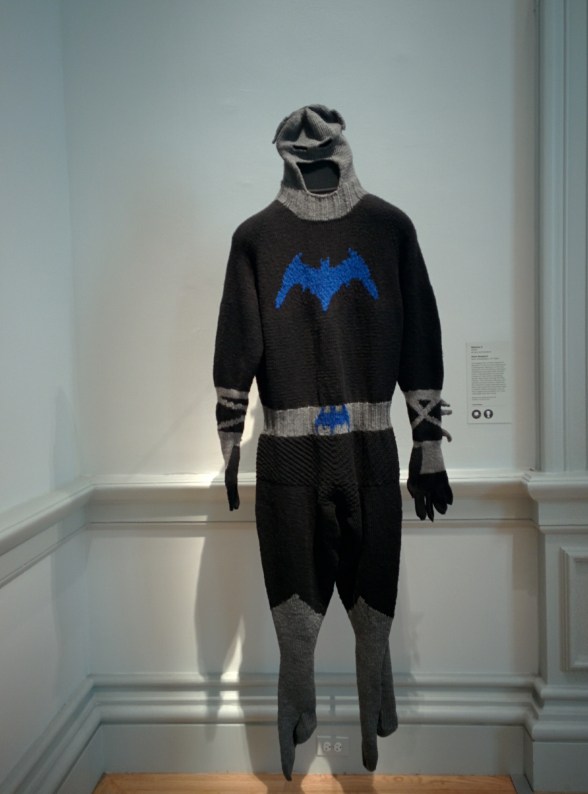
I took the photograph at the Renwick Gallery.

Vital signs II

Pain is not a vital sign anymore, as I described in yesterday’s post. I wrote this poem in 2006, about pain  being the fifth vital sign. I disagreed.

Vital signs II

Pain
Is now a vital sign
On a scale of 1:10
What is your pain?
The nurses document
Every shift

Why isn’t joy
a vital sign?

In the hospital
we do see joy

and pain

I want feeling cared for
to be a vital sign

My initial thought
is that it isn’t
because we can’t treat it

But that isn’t true

I have been brainwashed

We can’t treat it
with drugs

We measure pain
and are told to treat it
helpful pamphlets
sponsored by the pharmaceutical companies
have articles
from experts

Pain is under treated
by primary care
in the hospital
and there are all
these helpful medicines

I find
in my practice
that much of the pain
I see
cannot be treated
with narcotics
and responds better
to my ear

To have someone
really listen
and be curious
and be present
when the person
speaks

If feeling cared for
were a vital sign
imagine

Some people
I think
have almost never felt cared for
in their lives

They might say
I feel cared for 2 on a scale of 10

And what could the nurses do?

No pills to fix the problem

But perhaps
if that question
were followed by another

Is there anything we can do
to make you feel more cared for?

I wonder
if asking the question
is all we need

first draft 5/20/06

I took the photograph Friday afternoon from the beach: two fronts were meeting. What is that like in the sky? Do they fight or welcome each other?

Pain as a vital sign

A recent article in the Family Practice News says that a survey of 225 physicians reveals that 33% of them think that the opioid crisis in the US is caused by over prescribing opioids. 24% said aggressive patient drug seeking and 18% said it is due to drug dealers. How quickly things change.

In 1996 pain was declared the fifth vital sign, after temperature,  pulse (heart rate), respiration rate and blood pressure. I disagreed with it because it focused on pain, by telling the nurses in the hospital and the outpatient providers to always to ask about pain. I thought it would be better to focus on level of comfort than pain. I thought we were using opioids far too freely and I thought that patients were getting addicted. The pain specialists said that we had to treat pain, and we were given very few tools other than opioids. Primary care providers were told that they could be sued for too much or too little pain medicine.

I also disagreed with it because pain is NOT a vital sign. That is, the level of pain does not correlate with illness. If a person has a high fever of 104 I am sure they are sick, a fast or very slow heart rate, a blood pressure too high or two low, they are breathing too fast: these are vital signs. They often correlate to illness and help us decide if this is outpatient, urgent or emergent. But pain does not. A chronic pain patient may have a pain level of 8/10 and yet not be an emergency or in a life-threatening state at all. That does not mean that they are lying or that we don’t wish to help with pain.

In June, 2016, the American Medical Association recommended dropping pain as a vital sign. https://www.painnewsnetwork.org/stories/2016/6/16/ama-drops-pain-as-vital-sign. The Joint Commission for Hospital Accreditation dropped pain as a vital sign in August, 2016. https://www.jointcommission.org/joint_commission_statement_on_pain_management/

Why? Not only were people getting addicted to opiates, but they were and are dying of unintentional overdoses: sedation from opiates with alcohol, with anxiety medicines such as benzodiazepines, with soma, with sleep medicines such as ambien and zolpidem. If the person is sedated enough, they stop breathing and die. The CDC declared an epidemic of unintentional overdoses in 2012: https://www.cdc.gov/mmwr/preview/mmwrhtml/mm6101a3.htm and said that more US citizens were dying of prescription medicines taken as instructed then from motor vehicle accidents and guns and illegal drugs.

So the poem below and a second poem I will post tomorrow reflect how I thought about pain as a vital sign. It is not a vital sign, because a high pain level does not tell me if the person is critically ill and may die. It does not correlate. Pain matters and we want to treat it, but the first responsibility is “do not harm”. Letting people get addicted and killing some is harm.

Also, opioids have limited effectiveness and high risk for chronic pain. I have worked with  The University of Washington Pain and Addiction Clinic since 2010 via telemedicine. They say that average improvement of chronic pain with opioids is about 30%. Higher and higher doses do not help and increase the risk of overdose and death. And the risk of addiction.

I think of pain as information. Studies of fibromyalgia patients with functional MRI of the brain show that they are not lying about their pain. In a study normal and fibromyalgia patients were given the same pain stimulus on the hand. The normal patients said that they felt 3-4/10 pain. The fibromyalgia patients felt 7-8/10 pain with the same stimulus and the pain centers lit up correspondingly more in their brains. So they are not lying.

Why would opioids only lower chronic pain about 30% even with higher doses? The brain considers pain important information. We need to snatch our finger away from a flame, stop if we smash our toe, deal with a broken bone. I think of opioids like noise cancelling headphones. Say you are listening to music. You put on headphones/take round the clock opioids. Your brain automatically turns up the gain: the music volume or the pain sensors. Now it hurts again. You take more. The brain turns up the gain. Now: take the noise cancelling headphones off. The music/pain is too loud and it hurts! With music we can turn it down, but the brain cannot adjust the gain for pain quickly.

We do not understand the shift from acute pain to chronic pain, yet. The shift is in the brain. I think that we are too quick to mask and block pain rather than use the information. Now the recommendations for opioids are to only use them for 3-5 days for acute pain and injury. For years I have said with any opioid prescription: try not to take them around the clock and try to decrease the use as soon as possible. Some people get addicted. Be careful.

If we don’t hand people a pill for pain, what can we do? There are more and more therapies. Jon Kabot Zinn’s 30 years of studying mindfulness meditation is very important. His chronic pain classes reduce pain by an average of 50%: better than opiates. Pain and stress hormones drop by 50% in a study of a one hour massage. Massage, physical therapy, chiropracty and acupuncture: different people respond to different modalities. Above all, reassuring people that the level of pain in chronic pain does not correlate to the level of illness or ongoing damage. And pain is composed of at least three parts: the sharp nocioceptive pain, nerve pain (neuropathic) and emotional pain. We must address the emotional part too. We have no tool at this time to sort the pain into the three categories. My rule is that I always address all three. That does not mean every person needs a counselor or psychiatrist. It means that we must have time to discuss stress and discuss life events and check in about coping.

In the survey of 225 providers, 50% estimated that they prescribe opioids to fewer than 10% of their patients. 38% said less than half. 12% estimated that they prescribe opioids to more than half their patients. The survey included US primary care, emergency department and pain management physicians.

Handing people a pill is quicker. But we can do better and primary care must have the time to really help people with pain.

Vital Signs I

In the hospital now
I am told we have a new
Vital sign
Like blood pressure and pulse
We are to measure
Pain
And always treat it

Sometimes I wonder

Mr. X is in the ICU
I tell his family
He may die

On a scale of one to ten
What is his wife’s pain?
His daughter’s
We are not treating them
Only Mr. X

We try to suppress pain
Signals from our nerves
Physical pain is easier

I think of our great forests
We suppressed fire

And that was wrong
If fire is suppressed
Undergrowth builds up
Fuel levels rise
Fire comes
Rages out of control
All is destroyed

If fires burn
More naturally
More regularly
What is left?

At first it looks desolate
The tall trees are burnt
Around their bases
But they live
Adapted to the fire
Majestic pines
Revealed
Would our values were as clear

Some pines
Seeds
Pinecones
Will only germinate
In fire
When the undergrowth
Is cleared
Conditions are right
For new growth

Perhaps pain is our fire
Grief is our fire

If we block pain
Where does it go?
Does the fuel build?

I wonder if the tall pines
Fear fire
Would they avoid it
If they could

Perhaps suppression
Is not the answer

Perhaps we can change
Remain present
Acknowledge pain
As normal
As joy

Perhaps if I
Step into the fire
I can remain
Present
For you

And you will be
Less alone
Less afraid

I open my doors

Let the fire burn

poem written before 2009

CDC guidelines for treating chronic pain: https://www.cdc.gov/drugoverdose/pdf/guidelines_factsheet-a.pdf

Who is driving the car?

I am at my parent’s house.

My mother and I and the baby, a toddler, go out to the car which is a huge newish SUV. I open the back door and see a drawing lying on the seat, beside the car seat. It is a drawing of my son, from a photograph. My mother has written on it, her ideas about how she wants to do the painting. I took the photograph and know it: my son has an exuberant joyous toddler expression. I climb in to the SUV. My mother gets in the front and turns the car on. She pulls forward and I start screaming, “STOP! STOP DON’T DRIVE! THE BABY IS NOT IN THE CAR!” My mother is pulling forward and backing, in confusion. She stops.

I leap out and search. Under the car by the back wheel, but not under it, is a kitten. A black kitten, lying on its side. I reach and very gently pick it up, supporting its spine. I am crying. The kitten cries as I pick it up, with pain. I say, “She’s hurt! I am going to die!”

I wake up.

I think about the dream. Even though there is a picture of my son in the car, I am a teen in the dream. The toddler is not my son. The toddler is not my daughter. The toddler is my sister. My parents had old cars, never a new SUV. The house in the dream was my parent’s house in Alexandria, Virginia. We moved there when I started ninth grade and my sister started sixth. My parents sold the house and moved in 1996.

Who is driving the SUV? Is there a responsible adult? Are they taking care of the children? Or are they driving recklessly and leaving the children to try to care for each other? Some adults are not responsible and should not be driving.


My son took the photograph of my daughter in 2011 for a school project, recreating a movie poster: True Grit.

Alcohol

Let’s talk about alcohol.

I am a family practice physician and I talk to people of all ages about alcohol. The current recommendation is no more than seven drinks a week for women and fourteen drinks a week for men, no saving it up for the weekend. No more than two drinks in one day for women and no more than three for men.

“What?” you say “No way. Come on, that’s ridiculous.”

My patients don’t say “That’s ridiculous.” After all, they are paying me to do a physical exam and a preventative exam. I am supposed to give them advice. But what is the basis for that?

One drink is defined as a regulation 12 oz beer or 6 ounces of wine or two ounces of hard liquor. If it is a high alcohol beer or wine or liquor, the amount is less.

It is NOT the liver doctors that have given us these numbers. It is the cardiologists, the heart doctors. One drink in women or two in men lowers blood pressure and in general, has good effects. Go over that daily and there is a rebound in blood pressure as the alcohol wears off. Alcohol works in the same way as benzodiazepines: it makes people less anxious and more relaxed and lowers inhibitions. Both alcohol and benzodiazepines are addictive for many people. That is, they develop tolerance, it takes more of the substance to have the same effects, more tolerance and then it takes more and more substance to try to feel half way normal.

Cardiologists qualify this recommendation as follows: there is no recommended daily amount of alcohol that is considered heart protective because there are too many alcoholics. The recommended daily amount of alcohol for an alcoholic is none. The recommended daily amount of alcohol for the general population is none.

Alcohol withdrawal can be very very dangerous medically. I think that the three most difficult things to quit are heroin (and all opiates), methamphetamines and cigarettes, but alcohol is more dangerous. In heroin withdrawal all of the pain receptors fire at once, so it is torture, but people don’t die. With serious alcohol withdrawal, the blood pressure skyrockets and the person can have seizures, a stroke, a heart attack, delerium tremens and can die. In the hospital, benzodiazepines are used to slow the withdrawal, replacing alcohol in a controlled manner.

Alcohol does more than affect the blood pressure. Over time, alcohol can damage the heart and lead to congestive heart failure.

Of course, you know that it can damage the liver and lead to cirrhosis. Cirrhosis is sneaky: as long as there are a few functioning liver cells, the lab work can look pretty normal. The liver makes proteins for the blood and makes proteins that allow our blood to clot. Once there aren’t enough healthy cells to make those proteins, alcoholics will bleed quite spectacularly. If the amount of the protein albumin in their blood is low, fluid leaks from the blood into the tissues: so whatever part is “dependent”, that is, lowest, will be swollen. Alcoholics can have legs with swelling where I can push with my finger and there is a two or three cm dimple. Alcohol also can lead to gastritis and ulcers. If someone can’t clot and they are vomiting blood from an ulcer, the doctor gets a tummyache too, from worrying. Ow. The liver is also supposed to filter all of the blood in the body. As the liver gets blocked with dead liver cells, the blood starts to bypass it. The bypass is through blood vessels in the stomach. Remember that person vomiting blood? The swollen vessels in the stomach are called varicies and we don’t like them to bleed. They are big and can bleed really really fast. The person can die. I don’t like transfusing and really don’t like transfusing 12 units of blood. In end stage alcoholism, the liver no longer lowers the blood level of ammonia. Ammonia crosses the blood brain barrier and poisons the brain. We haven’t even discussed the lack of vitamin B12 and thiamine which can cause unraveling of the myelin sheaths on the long fibers in the spinal cord: this means that the person gets permanent asterixis and “walks like a drunk” even when they are sober. I’m sure I haven’t remembered all of the consequences of alcohol, but that will do for now, right?

How much alcohol daily causes the above charming picture? We Don’t Know. Really. And it is not okay to do randomized double blinded clinical trials to find out. Same with pregnant women: we don’t know if there is a safe amount of alcohol during pregnancy and we bloody well can’t test it. It is safer not to drink while you are pregnant.

In clinic, I ask how much people drink. If they say 1-2 drinks daily, I ask what the drink is. Sometimes they look confused. I explain that I have one patient who has two drinks a day: however, it is a 12 ounce glass with a little ice and a lot of whiskey. I asked him to estimate how much whiskey and he said, “6-8 ounces.” That is, each glass is 6-8 ounces. His blood pressure is not under control and so far I feel like a failure as a doctor with him; he is NOT reducing the amount. In medical school, the two jokes were: How much alcohol is too much? More than your doctor drinks. And: How much does the patient drink? Double or triple what they tell us.

The popular word in college used to be that you could drink one drink an hour and still be “okay”. “Okay” to drive and it would wear off. Sorry, nope. Breathalyzers are now pretty cheap; buy one if you are drinking more than the 1-2 per day. And the college students that are binge drinking 6-8 or more drinks on Friday and Saturday: it DOES have long term effects and it IS doing damage.

Lastly, sleep and depression. If you are having trouble sleeping, don’t drink. No alcohol at all. Alcohol is a depressant. It helps people to fall asleep. But they do not have “normal sleep architecture” and it works AGAINST them staying asleep. People often wake up as the alcohol wears off. And the blood pressure is having that rebound, remember, and often their heart will race. That is withdrawal. If you are having trouble sleeping or you are depressed, do not take a depressant. It makes it worse.

I saw a nineteen year old in clinic who admitted to “occasional” heroin use. “But I’m not addicted,” she said. I said, “Well, that’s good. But I took care of a bunch of people undergoing heroin withdrawal while I was in residency and it looked like one of the most painful things on the planet. So I would advise you to quit while you are ahead.” I saw her a year later and she said, “When I tried to quit, it WAS hard. I was addicted and didn’t know it. I’m off now and I won’t go back.” So if you tell me, no problem, I can quit alcohol any time, I say more power to you. Show me. And if it’s harder than you think, get help.


Originally written in 2009 and updated a little today. The picture is just a little fuzzy…like it might be if I was drinking…..

https://www.drugabuse.gov/about-nida/noras-blog/2015/06/addiction-disease-free-will

https://www.niaaa.nih.gov/alcohol-health/overview-alcohol-consumption/what-standard-drink