For Wordless Wednesday.
water light


For Wordless Wednesday.

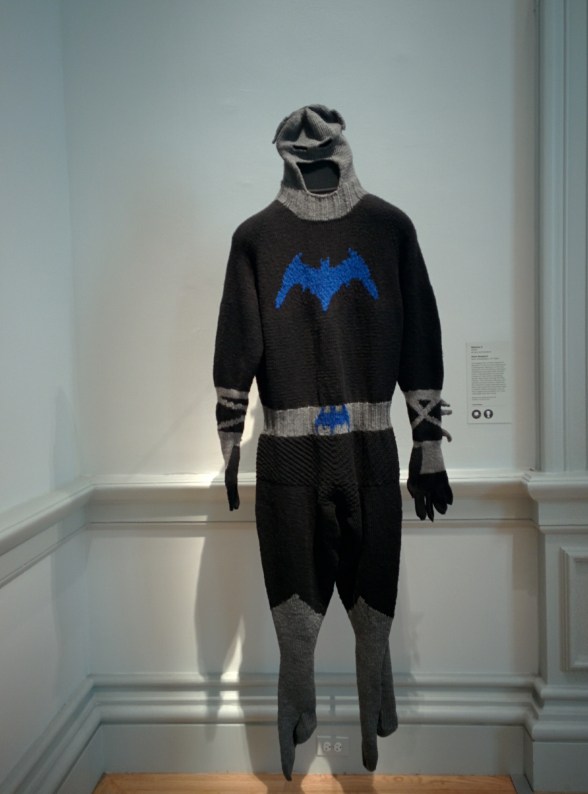
This is not about one patient. It is about many. I have permission from the person I gave a copy to: one of many.
what do you say
to the person
with the terrible childhood
with addiction and chaos
and suicide attempts and hospitals
and that was the parents
that they ran away from
and then numbed themselves
in addiction for years
multidrug and chaos
and now stable
working their 12 steps
and grieving
their lost years
and their behavior
unforgiven, it takes time
to build trust after
thirty years of damage
and grieving
the next generation
following the same
path and feeling helpless
to stop them
and guilt for their
contribution
it is not a matter
of a pill
of a diagnosis
the simplicity of stopping
of getting clean
joy and pride
yes
and then the hard work
of grieving
begins
____________________________________________________________________________________________
I took the photograph at the Renwick Gallery.
The letter X in Blogging from A to Z.
X for xerotic, which means x-rated erotic…
No, just kidding. Xerotic means very very dry skin or dry eyes and it’s a medical term. We do have xerosis as a medical term. As we get older our skin gets drier. One of my dermatologist friends says that we lose our bubble wrap: the layer of fat padding the skin thins until our hands bruise with normal daily activity.
Have you felt xerotic? This has been a long week in clinic and I am feeling tired and sad for some of my patients. My spring of ideas for healing is dry at the moment and I need to rest. I am going on a beach walk today. I need healing too, to be at an oasis, to be nurtured and cared for. Maybe xerotic is not used that way but it could be.
Two more letters and one more day.
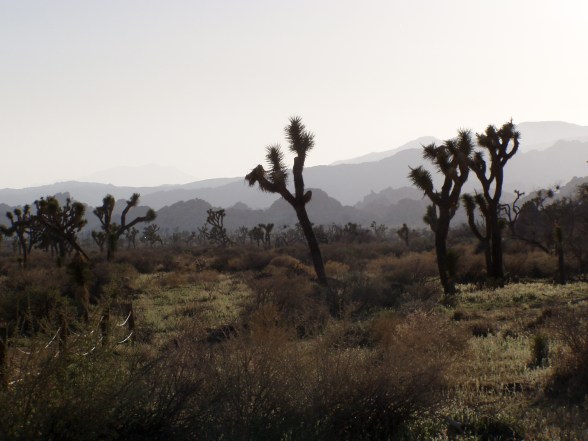
I took the photograph on a hike at Joshua Tree in 2009.

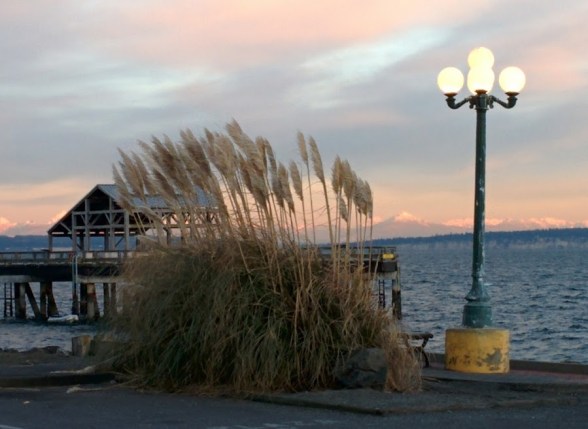
And who is this on the rock? We are facing north, on the beach walk from North Beach to Cape George. We are looking across the Strait of Juan de Fuca to Vancouver Island.
According to the Cape George website, it’s 6.5 miles from Port Townsend. However, that may be by map or road or as the crow flies. My phone claims that I walked for 5 hours and 47 minutes. I had the location turned off, so it does not include distance.
Influenza is different from a cold virus and different from bacterial pneumonia, because it can cause lung tissue swelling.
Think of the lungs as having a certain amount of air space. Now, think of the walls between the air spaces getting swollen and inflamed: the air space can be cut in half. What is the result?
When the air space is cut down, in half or more, the heart has to work harder. The person may be ok when they are sitting at rest, but when they get up to walk, they cannot take a deeper breath. Their heart rate will rise to make up the difference, to try to get enough oxygen from the decreased lung space to give to the active muscles.
For example, I saw a person last week who had been sick for 5 days. No fever. Her heart rate at rest was 111. Normal is 60 to 100. Her oxygen level was fine at rest. She had also dropped 9 pounds since I had seen her last and she couldn’t afford that. I sent her to the emergency room and she was admitted, with influenza A.
I have seen more people since and taken two off work. Why? Their heart rate, the number of beats in one minute, was under 100 and their oxygen level was fine. But when I had them walk up and down a short hall three times, their heart rates jumped: to 110, 120. I put them off from work, to return in a week. If they rest, the lung swelling will have a chance to go down. If they return to work and activity, it’s like running a marathon all day, heart rate of 120. The lungs won’t heal and they are liable to get a bacterial infection or another viral infection and be hospitalized or die.
I had influenza in the early 2000s. My resting heart rate went from the 60s to 100. When I returned to clinic after a week, I felt like I was dying. I put the pulse ox on my finger. My heart rate standing was 130! I had seen my physician in the hospital that morning and he grabbed a prescription pad and wrote: GO TO BED! He said I was too sick to work and he was right. I went home. It took two months for the swelling to go down and I worried for a while that it never would. I dropped 10 pounds the first week I was sick and it stayed down for six months.
Since the problem in influenza is tissue swelling, albuterol doesn’t work. Albuterol relaxes bronchospasm, lung muscle spasms. Cough medicine doesn’t work either: there is not fluid to cough up. The lungs are like road rash, bruised, swollen, air spaces smaller. Steroids and prednisone don’t work. Antiviral flu medicine helps if you get it within the first 72 hours!
You can check your pulse at home. Count the number of beats in one minute. That is your heart rate. Then get up and walk until you are a little short of breath (or a lot) or your heart is going fast. Then count the rate again. If your heart rate is jumping 20-30 beats faster per minute or if it’s over 100, you need to rest until it is better. Hopefully it will only be a week, and not two months like me!

Let’s talk about alcohol.
I am a family practice physician and I talk to people of all ages about alcohol. The current recommendation is no more than seven drinks a week for women and fourteen drinks a week for men, no saving it up for the weekend. No more than two drinks in one day for women and no more than three for men.
“What?” you say “No way. Come on, that’s ridiculous.”
My patients don’t say “That’s ridiculous.” After all, they are paying me to do a physical exam and a preventative exam. I am supposed to give them advice. But what is the basis for that?
One drink is defined as a regulation 12 oz beer or 6 ounces of wine or two ounces of hard liquor. If it is a high alcohol beer or wine or liquor, the amount is less.
It is NOT the liver doctors that have given us these numbers. It is the cardiologists, the heart doctors. One drink in women or two in men lowers blood pressure and in general, has good effects. Go over that daily and there is a rebound in blood pressure as the alcohol wears off. Alcohol works in the same way as benzodiazepines: it makes people less anxious and more relaxed and lowers inhibitions. Both alcohol and benzodiazepines are addictive for many people. That is, they develop tolerance, it takes more of the substance to have the same effects, more tolerance and then it takes more and more substance to try to feel half way normal.
Cardiologists qualify this recommendation as follows: there is no recommended daily amount of alcohol that is considered heart protective because there are too many alcoholics. The recommended daily amount of alcohol for an alcoholic is none. The recommended daily amount of alcohol for the general population is none.
Alcohol withdrawal can be very very dangerous medically. I think that the three most difficult things to quit are heroin (and all opiates), methamphetamines and cigarettes, but alcohol is more dangerous. In heroin withdrawal all of the pain receptors fire at once, so it is torture, but people don’t die. With serious alcohol withdrawal, the blood pressure skyrockets and the person can have seizures, a stroke, a heart attack, delerium tremens and can die. In the hospital, benzodiazepines are used to slow the withdrawal, replacing alcohol in a controlled manner.
Alcohol does more than affect the blood pressure. Over time, alcohol can damage the heart and lead to congestive heart failure.
Of course, you know that it can damage the liver and lead to cirrhosis. Cirrhosis is sneaky: as long as there are a few functioning liver cells, the lab work can look pretty normal. The liver makes proteins for the blood and makes proteins that allow our blood to clot. Once there aren’t enough healthy cells to make those proteins, alcoholics will bleed quite spectacularly. If the amount of the protein albumin in their blood is low, fluid leaks from the blood into the tissues: so whatever part is “dependent”, that is, lowest, will be swollen. Alcoholics can have legs with swelling where I can push with my finger and there is a two or three cm dimple. Alcohol also can lead to gastritis and ulcers. If someone can’t clot and they are vomiting blood from an ulcer, the doctor gets a tummyache too, from worrying. Ow. The liver is also supposed to filter all of the blood in the body. As the liver gets blocked with dead liver cells, the blood starts to bypass it. The bypass is through blood vessels in the stomach. Remember that person vomiting blood? The swollen vessels in the stomach are called varicies and we don’t like them to bleed. They are big and can bleed really really fast. The person can die. I don’t like transfusing and really don’t like transfusing 12 units of blood. In end stage alcoholism, the liver no longer lowers the blood level of ammonia. Ammonia crosses the blood brain barrier and poisons the brain. We haven’t even discussed the lack of vitamin B12 and thiamine which can cause unraveling of the myelin sheaths on the long fibers in the spinal cord: this means that the person gets permanent asterixis and “walks like a drunk” even when they are sober. I’m sure I haven’t remembered all of the consequences of alcohol, but that will do for now, right?
How much alcohol daily causes the above charming picture? We Don’t Know. Really. And it is not okay to do randomized double blinded clinical trials to find out. Same with pregnant women: we don’t know if there is a safe amount of alcohol during pregnancy and we bloody well can’t test it. It is safer not to drink while you are pregnant.
In clinic, I ask how much people drink. If they say 1-2 drinks daily, I ask what the drink is. Sometimes they look confused. I explain that I have one patient who has two drinks a day: however, it is a 12 ounce glass with a little ice and a lot of whiskey. I asked him to estimate how much whiskey and he said, “6-8 ounces.” That is, each glass is 6-8 ounces. His blood pressure is not under control and so far I feel like a failure as a doctor with him; he is NOT reducing the amount. In medical school, the two jokes were: How much alcohol is too much? More than your doctor drinks. And: How much does the patient drink? Double or triple what they tell us.
The popular word in college used to be that you could drink one drink an hour and still be “okay”. “Okay” to drive and it would wear off. Sorry, nope. Breathalyzers are now pretty cheap; buy one if you are drinking more than the 1-2 per day. And the college students that are binge drinking 6-8 or more drinks on Friday and Saturday: it DOES have long term effects and it IS doing damage.
Lastly, sleep and depression. If you are having trouble sleeping, don’t drink. No alcohol at all. Alcohol is a depressant. It helps people to fall asleep. But they do not have “normal sleep architecture” and it works AGAINST them staying asleep. People often wake up as the alcohol wears off. And the blood pressure is having that rebound, remember, and often their heart will race. That is withdrawal. If you are having trouble sleeping or you are depressed, do not take a depressant. It makes it worse.
I saw a nineteen year old in clinic who admitted to “occasional” heroin use. “But I’m not addicted,” she said. I said, “Well, that’s good. But I took care of a bunch of people undergoing heroin withdrawal while I was in residency and it looked like one of the most painful things on the planet. So I would advise you to quit while you are ahead.” I saw her a year later and she said, “When I tried to quit, it WAS hard. I was addicted and didn’t know it. I’m off now and I won’t go back.” So if you tell me, no problem, I can quit alcohol any time, I say more power to you. Show me. And if it’s harder than you think, get help.
Originally written in 2009 and updated a little today. The picture is just a little fuzzy…like it might be if I was drinking…..
https://www.drugabuse.gov/about-nida/noras-blog/2015/06/addiction-disease-free-will
https://www.niaaa.nih.gov/alcohol-health/overview-alcohol-consumption/what-standard-drink
I’ve quit
again
stop start
stop
quit
I don’t think I’ll go back
it wastes the days
makes me so sick
takes so little for me to overdo
I resent lost time
and suffering
my body doesn’t want it
and tells me so
ferociously
alcohol you say?
that too
but I was talking about men
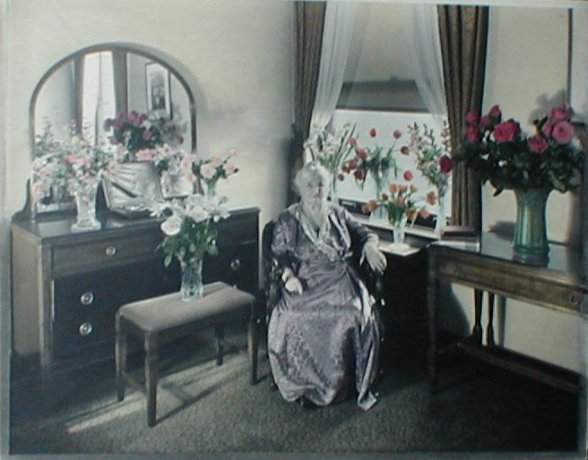
The photograph is my mother’s father’s mother. I have one of the originals. The back is stamped: Battle Creek, Michigan. So she was having a “rest cure” at Dr. Kellogg’s famous health retreat.

This is for photrablogger’s Mundane Monday Challenge #42. In contrast to the beautiful pattern repeat in his photograph, with a person made structure, I choose this photo, from yesterday. In the Pacific Northwest, we are in the cold wet season: but the moss loves it. And the tree is alive and seems to welcome this water loving, water holding friend….
BLIND WILDERNESS
in front of the garden gate - JezzieG
Discover and re-discover Mexico’s cuisine, culture and history through the recipes, backyard stories and other interesting findings of an expatriate in Canada
Or not, depending on my mood
All those moments will be lost in time, like tears in rain!
An onion has many layers. So have I!
Exploring the great outdoors one step at a time
Some of the creative paths that escaped from my brain!
Books, reading and more ... with an Australian focus ... written on Ngunnawal Country
Engaging in some lyrical athletics whilst painting pictures with words and pounding the pavement. I run; blog; write poetry; chase after my kids & drink coffee.
Coast-to-coast US bike tour
Generative AI
Climbing, Outdoors, Life!
imperfect pictures
Refugees welcome - Flüchtlinge willkommen I am teaching German to refugees. Ich unterrichte geflüchtete Menschen in der deutschen Sprache. I am writing this blog in English and German because my friends speak English and German. Ich schreibe auf Deutsch und Englisch, weil meine Freunde Deutsch und Englisch sprechen.
En fotoblogg
Books by author Diana Coombes
NEW FLOWERY JOURNEYS
in search of a better us
Personal Blog
Art from the Earth
𝖠𝗇𝗈𝗍𝗁𝖾𝗋 𝖶𝗈𝗋𝖽𝖯𝗋𝖾𝗌𝗌.𝖼𝗈𝗆 𝗌𝗂𝗍𝖾.
Taking the camera for a walk!!!
From the Existential to the Mundane - From Poetry to Prose
1 Man and His Bloody Dog
Homepage Engaging the World, Hearing the World and speaking for the World.
Anne M Bray's art blog, and then some.
My Personal Rants, Ravings, & Ruminations
 KO Rural Mad As Hell Blog