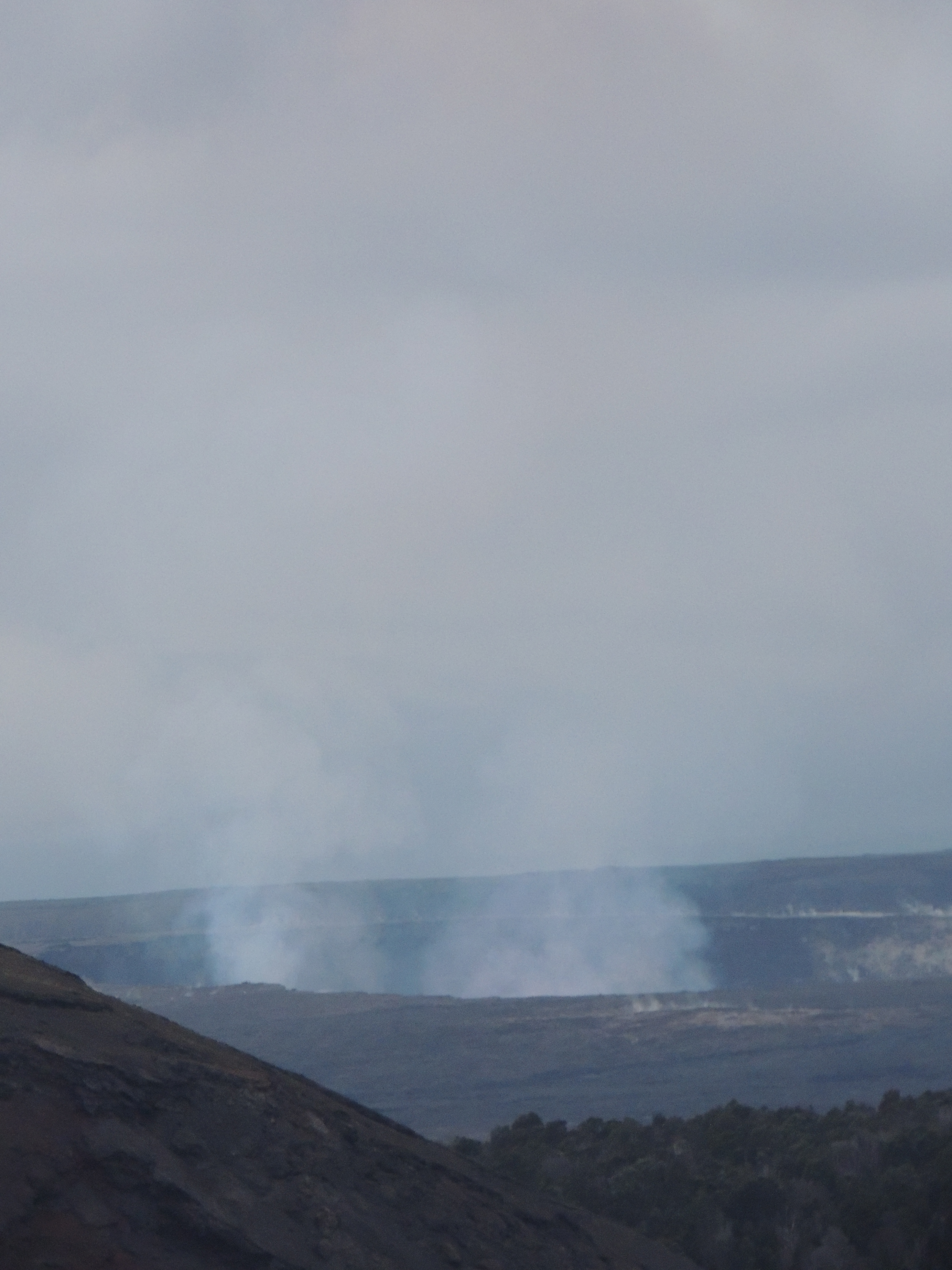
A friend and I travel to Hawaii in March 2018. The lava in the caldera had dropped on the volcano and the road around it was closed because of the gases. The changing eruption happened over the next few months. We found a place to wait for nightfall to take photographs. It is way more dramatic in the night, isn’t it? We could see fire rising up in the day too, but at night the smoke is lit up as well by the lava below. A scene on fire, beautiful and terrifying.
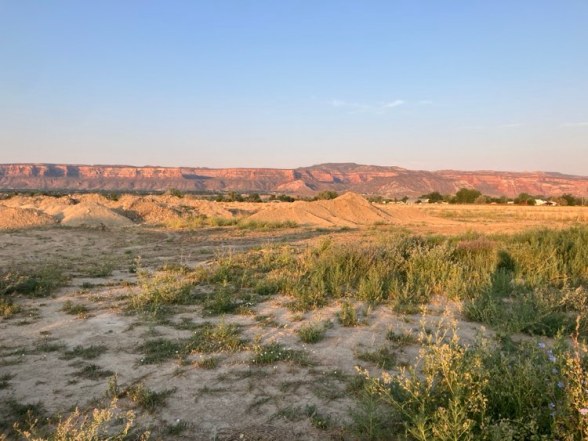
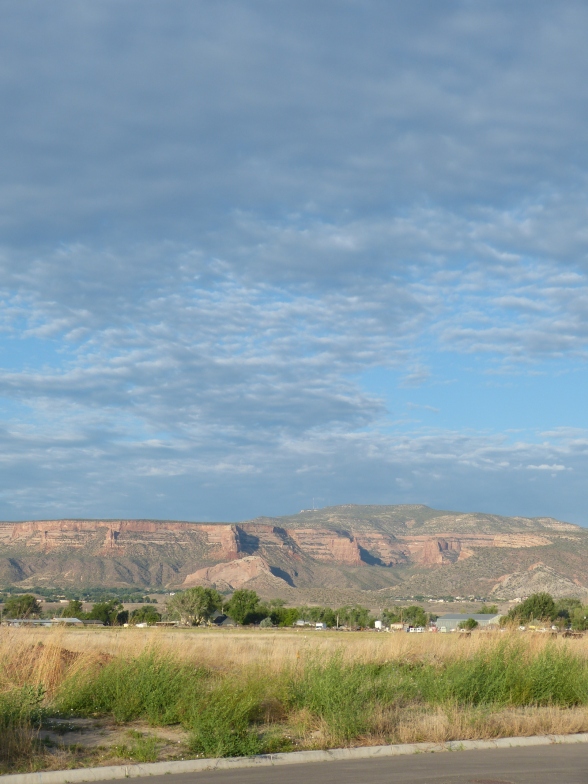
The smoke from forest fires has dissipated in Grand Junction. I stayed mostly inside for a few days, which is not hard on work days. The clothes I wear are backwards from the ones I wear on the Olympic Peninsula in Washington. There I have a windbreaker and layers for outside and I think my heat pump has had the air conditioning on once ever. Here I need the warmer clothes for the air conditioned inside. I get cold at work by lunch time and go outside to warm up! Very strange.
My favorite female author is Laura Ingalls Wilder. My favorite male author is Walt Kelly.
Louis Carreas wrote about how descriptions can be cages, here. WordPress won’t let me comment on his blog (Hi, Lou!), saying that I have to be logged in. Even when I AM logged in. Ah well, maybe the AI has a sense of humor and is messing with me. Anyhow, his comments make me think of the DSM V, the list of behavioral health symptoms defining them into disorders, fifth version. We humans make them up, these lists. My daughter pointed out years ago, “We make up all the words.” It’s all an effort to communicate and we make it all up.
Walt Kelly is my favorite master of playing with words and word silliness. One time Howland Owl and Churchy are trying to make a bomb. They need a certain material. They have a small yew tree and a geranium. They both fall over and CROSS! Owl and Churchy dive for the floor. There is no explosion. Howland Owl says, “The natural born reason we didn’t git no yew-ranium when we crosses the li’l yew tree and the gee-ranium is on account of cause we didn’t have no geiger counter.” They decide against an A-bomb and put a honey bee hive in a shoebox, making a quite effective B-bomb.
Laura Ingalls Wilder starts the book about her youngest years explaining that she tries to be good but she just can’t be as good as her sister Mary. There are ways they are supposed to behave and she fights with her sister and misbehaves on Sunday and runs around. They are also not supposed to talk about certain feelings, but the feelings show through the events. When I read the books to my son and daughter, I found myself a bit appalled and editing the bits about the blackface minstrel show that they do and about Laura’s Ma talking about “dirty Indians”. Mrs. Wilder edited her life quite severely for those books, but I too chafed under the cage of society’s rules and what feeling I was and was not allowed to express.
Now there are series based on Laura’s mother, grandmother and great grandmother. I like them though the feelings aren’t as authentic to me. Not quite. My daughter loved the books about Laura’s mother and I think is like her. My daughter objects to Anne’s behavior in the first book of the Anne of Green Gables series. “No one is like that!” she says. I mention a classmates name, who is very very extroverted. “Hmmm,” says my daughter, “Ok, she is like that.”
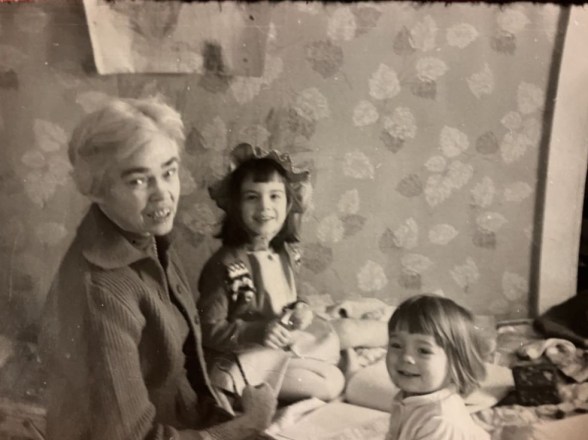
The photograph is from 1965. My maternal grandmother, me and my sister. I do not know who took it.
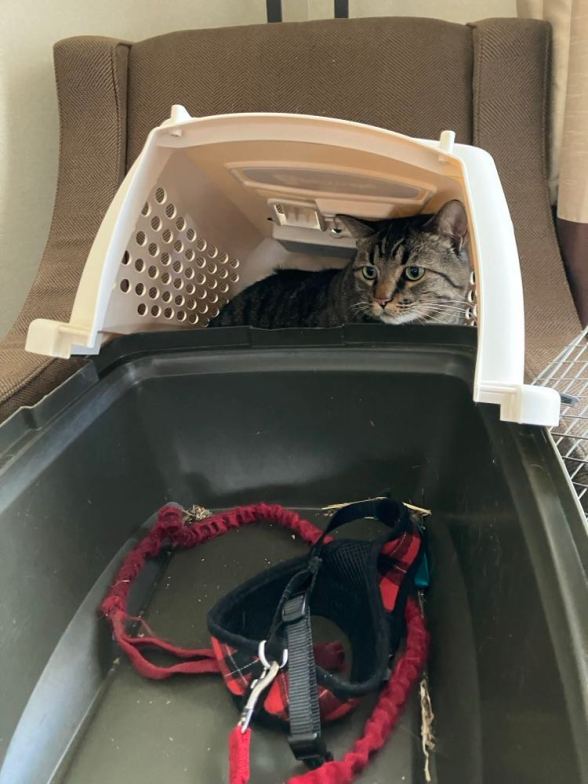
Traveling from Washington to Colorado, Elwha did not like the car and the unfamiliar places. I took the cat carrier apart in the hotel room and he decided that it was safer inside it than out, even if it was in pieces. Sol Duc did not enjoy the car but is less worried about it all.
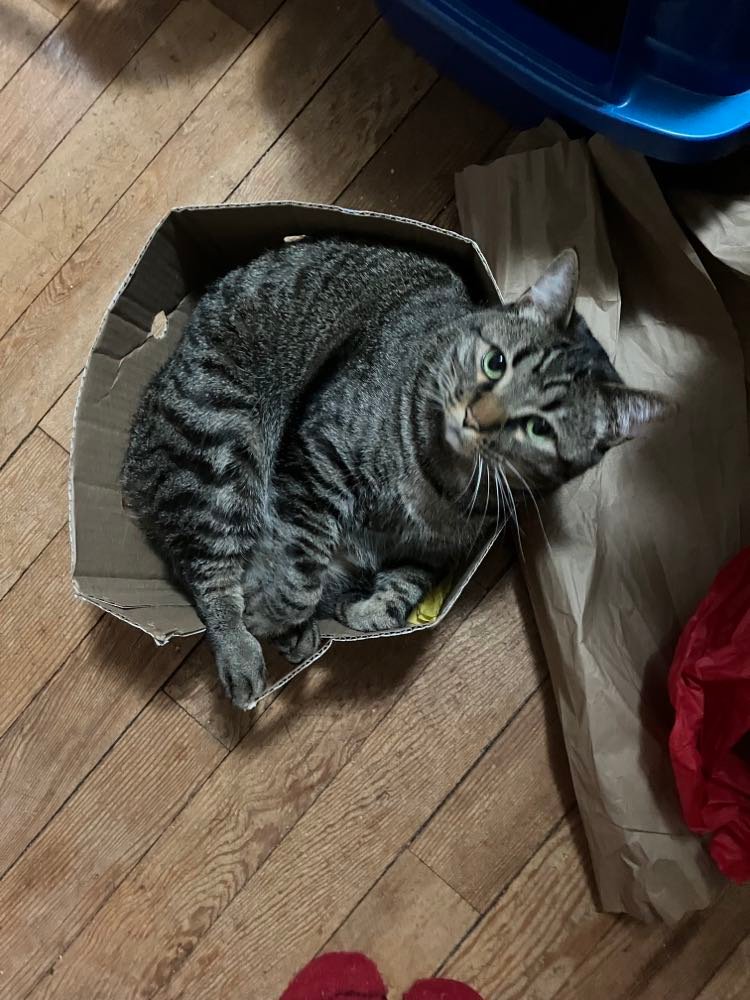
And here is Sol Duc in a virtual cage, a shadow cage. She likes the back yard a lot. I have had the house closed up because of the smoke for the last two days, but there is less today.
Do you know the poem by Ogden Nash, The Tale of Custard the Dragon? The chorus is as follows:
Belinda was as brave as a barrel full of bears, And Ink and Blink chased lions down the stairs, Mustard was as brave as a tiger in a rage, But Custard cried for a nice safe cage.
I love that poem! And I love the lines:
Meowch! cried Ink, and Ooh! cried Belinda, For there was a pirate, climbing in the winda.
Ogden Nash was perfectly happy to bend words to fit the rhyming scheme and to heck with spelling!
I still have not heard about Elwha. I hope that he has moved in with an older couple and spends most of his time on their laps. I can see him crying for a nice safe cage.
I thought there must be a song of it, but so far I like this tenth grade rap version best!
What IS intimacy? And what is love? And are they the same thing? Do you have to be intimate to love someone? Not meaning sex, but what level of intimacy is “normal” and “appropriate”?
I am thinking of my mother. When I was just starting college, she started talking to me about my father and about his drinking. I became more and more uncomfortable and finally asked her to find a counselor or someone other than me. The thing is, she refused to DO anything about his drinking and in fact, covered it up. The two of them would scream at each other at 2 am and fight when I was in high school. It would wake me up and I would think, I wish they wouldn’t, because I have school tomorrow. But I certainly didn’t go say anything because then they would have screamed at me. And as I got older, I wondered if my mother was drinking heavily too. Because why would she argue with someone drunk at 2 am, that makes no sense. Unless she either was drunk or loved to argue or both.
It is clear that she was drinking heavily at that time from her journals. Over and over she writes, I drank too much last night. Hard to blame her for not intervening with my father if she is drunk too. But she was using him as her cover up. Her family blamed him. My grandmother, her mother, didn’t blame him. She loved them both.
When we had guests, my mother would turn on the charm. She could mesmerize a room and entertain people with stories. My sister and I and others would be the butt of the stories. My father too. After the guest left, she would often talk about them. Analyze them. Talk about their faults and weaknesses. I was fascinated but a bit horrified too. She seemed to like these people so much and to charm them and invite them back, but was talking about them behind their backs. Ick.
So intimacy interests me. I wonder how to do it “right”. Maybe right is not the best word. How to do it “functionally”. I really don’t know what normal is, my maternal family certainly did not model healthy intimacy. My generation still gossips about each other. I quit that at age 19 and refused to be part of it. I don’t think anyone saw my rebellion except my maternal grandmother. She did not say a word but I knew that I had her respect. She did not play the family game with me.
I don’t think that gossip and triangulation are a good form of intimacy or love. Person A talks to person C about person B. Word gets around and sometimes it is person D that says something to person B and person B gets upset when they realize where this came from. And how twisted and one sided the story is. And aren’t we seeing this play out on a national level? All these people saying that THEY KNOW the status of the President’s memory. I don’t. I can’t judge it from a debate. And frankly, if we are going to do a psychiatric evaluation of one, I think we have to do BOTH. Stop following stupid rumors. Why not require a neuropsychiatric evaluation on every candidate for President and Senate and House of Representatives and the Supreme Court. And make them public. That would cause some chaos, wouldn’t it? And how do you decide who is “sane” enough to govern?
I think that gossip and triangulation is a dysfunctional form of intimacy. People feel closer when someone is whispering a secret to them. I don’t think it’s healthy. It might be normal for our culture, though. Normal does not mean healthy, after all. What do you think?
This election is like a bad hallucination. Why do we accept candidates that behave badly? Are we so addicted to television and movie drama that we want it to happen in our government? I don’t. How about you?
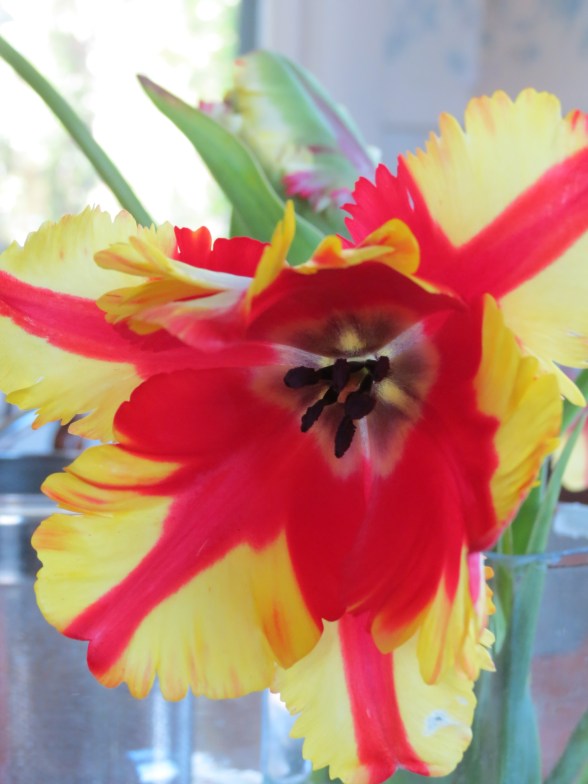
My mother would say, “Red and yellow, catch a fellow!” if we wore red and yellow together. So my sister and I didn’t, to avoid being teased.
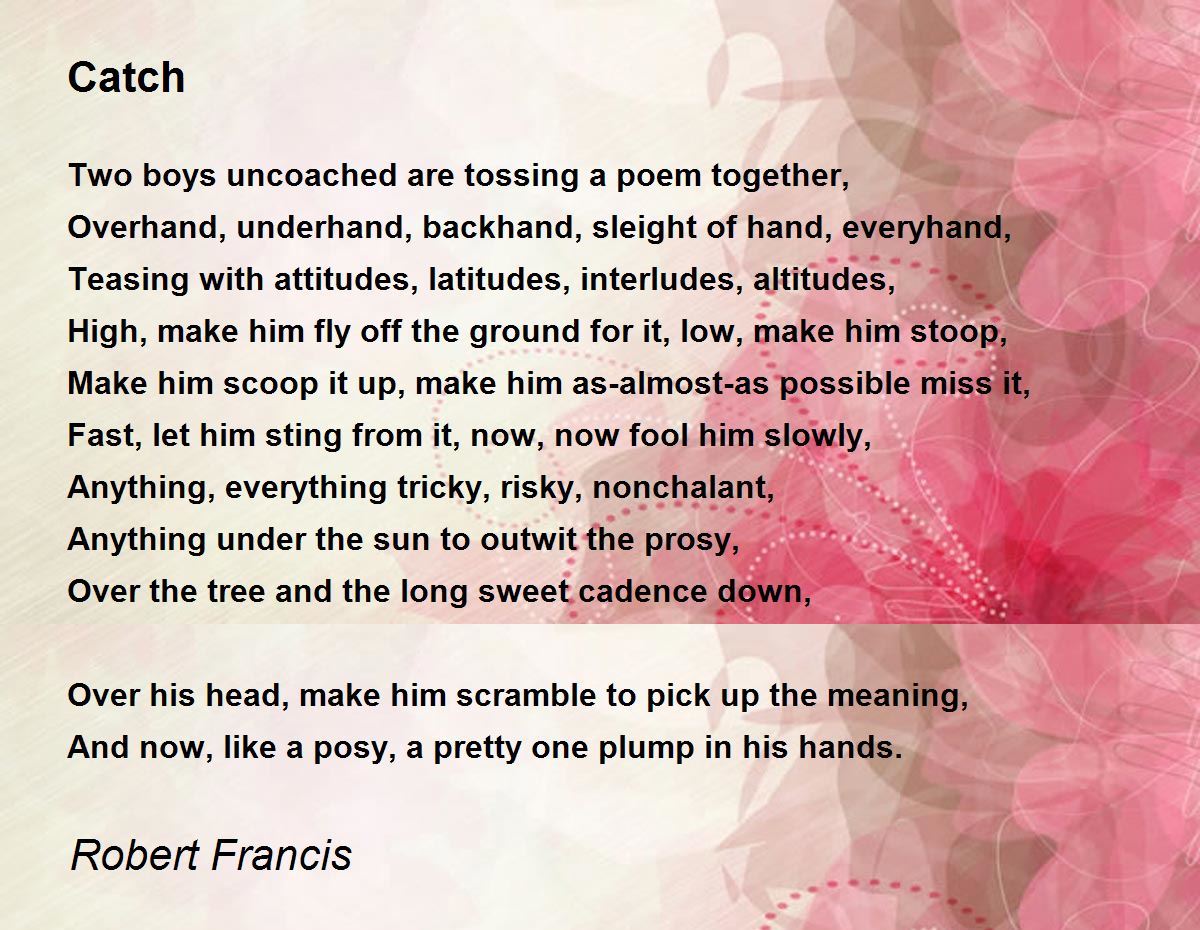
I look it up to see if it is from a poem or song, and get lots of rhymes about differentiating poisonous coral snakes from non-venemous King snakes. Also the following:
She gave me this necklace one of the last three times I saw her. She was at home with breast cancer and referred to hospice. I flew down to visit three times in the last three months. I was expecting it before then but she was very very strong and fought it all the way to the end.
We were both born in March, so this has amethysts. She liked silver more than gold and we both liked the irregularly shaped pearls. I am not sure what the dark round beads are. They could be bloodstones, which were the March birthstone before amethyst took over. I like the clasp in the front and that it is not symmetric. My sister died in 2012 and of course I still miss her.
It is difficult to screen for ACE scores for the same reason that it is difficult to screen for domestic violence and to talk about end of life plans. These are difficult topics and everyone may be uncomfortable. Besides, what can we DO about it? If growing up in trauma wires someone’s brain differently, what do we do?
I don’t frame it as the person being “damaged”. Instead, I bring up the ACE score study and say that first I congratulate people for surviving their childhood. Good job! Congratulations! You have reached adulthood! Now what?
With a high ACE score comes increased risk of addictions (all of them), mental health diagnoses (same) and chronic disease. Is this a death sentence? Should we give up? No, I think there is a lot we can do. I frame this as having “survival” brain wiring instead of “Leave it to Beaver” brain wiring. The need to survive difficulties and untrustworthy adults during childhood can set up behavior patterns that extend into adulthood. Are there patterns that we want to change and that are not serving us as adults?
This week a person said that they blow up too easily. Ah, that is one that I had to work on for years. Medical training helps but also learning that anger often covers other feelings: grief, fear, shame. I had to work to uncover those feelings and learn to feel them instead of anger. Anger can function as a boundary in childhood homes where there are not adult role models, or where the adults behave one way when sober and an entirely different way when impaired and under the influence. There may be lip service to behave a certain way but if the adult doesn’t behave, it is pretty confusing. And then the adult may not remember or be in denial or try to blame someone else, including the child, for “causing” them to be impaired.
What if someone had a “normal” childhood but the trauma all hit as a young adult? I think adults can have trauma that changes the brain too. PTSD in non-military is most often caused by motor vehicle accidents. At least, that is what I was told in the last PTSD talk I went to. Now that overdose deaths have overtaken motor vehicle accidents as the top death by accident yearly in the US, I wonder if having a fentenyl death in the family causes PTSD. Certainly it causes trauma and grief and anger and shame.
I agree with the American Academy of Pediatrics that we should screen for Adverse Childhood Experiences. We need training in how to talk about it and how to respond. I have had people tell me that their childhood was fine and then later tell me that one or both parents were alcoholics. The “fine” childhood might not have been quite as fine as reported initially. One of the hallmarks of addiction families is denial: not happening, we don’t talk about it, everything is fine. Maybe it is not fine after all. If we can learn to talk to adults about the effects on children and help people to change even in small ways, I have hope that we will help children. We can’t prevent all trauma to children, but we can mitigate it. All the ACE scores rose during the Covid pandemic and we are still working on how to help each other and ourselves.
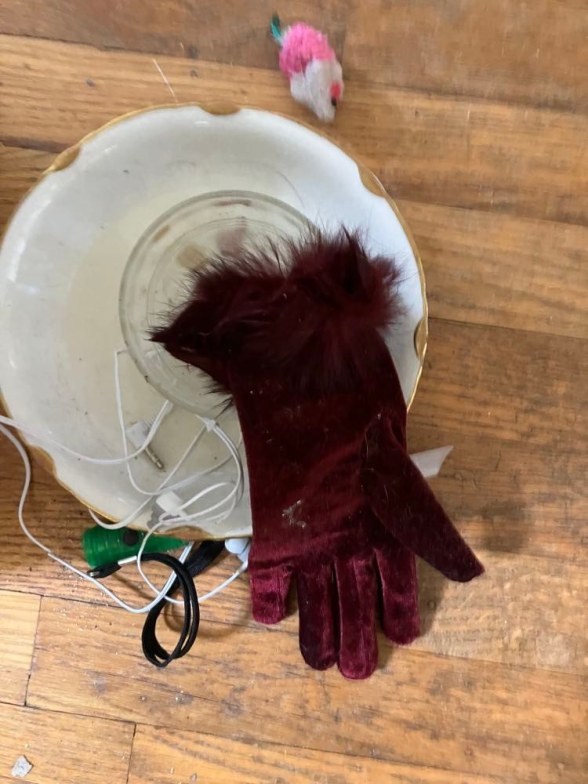
The photograph is one of Elwha’s cat art installations. He would pile toys on his bowl. Two bowels because I need to keep out the little ants. Sol Duc would do it too but not as often. I fed them in separate rooms. They would pile things on the bowl whether there was food left or not.
Elwha is still missing, sigh. That is a wound. The photographs are from March 2023.
What is older? Anything and anyone older than me? At one point I have 5 women who are over 100 years old as patients. Two are 104. One is local indigenous tribe and tells me about white women moving to another pew if she sat down near them in church, back when she is in her twenties. I am apologetic at that visit because it is hospital week. Our pacific northwest hospital has chosen cowboys as the theme so being a bit oppositional defiant, I have braids with one feather hanging down. I swear that EVERY ONE of my indigenous patients comes in, including the 104 year old. I apologize, but they mostly seem amused by my rebellion.
They also influence me. Now when a 72 year old complains about being OLD, I say, “You are not old in my practice.” They look confused. I say, “I’ve had five people over 100 all at once, so you don’t get to complain about being old until you are 90.” People laugh, but they also usually look pleased. Over 100 is a LOT older than 72. When someone is over 100, I don’t really doctor them much. I might say, “This is what the book says we should do.” “I’m not doing that,” says my 101 year old. “Ok, cool.” I say. It’s hard to argue with.
And the joke about the centurian? What do you like best about turning 100? “No peer pressure.” Um, yes. I want them to tell ME what they’ve done to reach 100. The one thing that they all have in common is that they are all stubborn. I don’t know if stubbornness is what gets them there or if we just get more stubborn as we get older. Both, perhaps.
By stubborn, I don’t mean that they don’t learn and do new things. I had a woman in her upper 70s who I diagnosed with diabetes. At the next visit she said cheerfully, “I found these five apps for my phone. This one tells me the carbohydrates, this keeps track of the distance I walk, this one tracks my blood sugar.” I don’t remember what the other two did. This was a decade ago. She was retired from Microsoft. I wanted her to teach a class for me and all of my other diabetic patients.
My grandmother took classes in her 80s in lip-reading. She was going quite deaf and her hearing aides were not terribly helpful. She had videotapes and a rather shy teacher who would come to the house. She would glare at him and the videotapes. She attacked learning it like a piranha and was furious that she couldn’t learn it faster. I am like that too and my son learned some patience from the violin. He couldn’t play well immediately and found that practice works.
At what age is someone old? I think that’s moving target and the older we get, the older we think it is. I do think 104 is a lot older than 72. When does your culture think that people are old? My fierce grandmother said that she would look out her window. “I see little old ladies across the street and think, oh, poor things, they are so old. But then I think, OH, I am older then they are!” She died at age 93, fierce until the end and curious about death too. Her last words to my father were, “Look, Mac, I’m dying.” He said, “I’m looking,” and she stopped breathing. She was always curious and funny and could tease quite terribly and she and my mother butted heads and loved each other. She loved my father too, and me.
The photograph is my maternal grandmother, Katherine White Burling and it’s one I took.
Discover and re-discover Mexico’s cuisine, culture and history through the recipes, backyard stories and other interesting findings of an expatriate in Canada
Engaging in some lyrical athletics whilst painting pictures with words and pounding the pavement. I run; blog; write poetry; chase after my kids & drink coffee.
Refugees welcome - Flüchtlinge willkommen I am teaching German to refugees. Ich unterrichte geflüchtete Menschen in der deutschen Sprache. I am writing this blog in English and German because my friends speak English and German. Ich schreibe auf Deutsch und Englisch, weil meine Freunde Deutsch und Englisch sprechen.






 KO Rural Mad As Hell Blog
You must be logged in to post a comment.