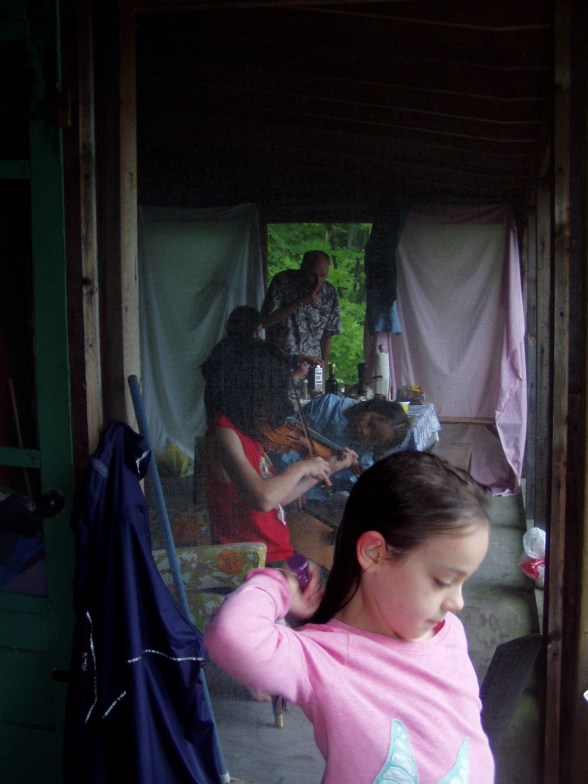
This is in a cabin at Lake Matinenda, in 2006. The door is to a screen porch, green and on the left of the picture. This is shot through the screen, other than my daughter. I love the layers of family all busy with things…and the missing screens. We repaired them that summer.
“Siqalo used to be the most promising child in our house … the last born. He got the best of everything. We took him to better schools than we did his younger sister and brother. He did well for the better half of high school.Then he met up with the wrong friends, and never even got to matric,” Fanele Ngcobo tells GroundUp about his son.
Siqalo is 22. He has been a whoonga user since 2015. By 10am, he has already smoked his second fix. Without the drug he struggles to function. Withdrawal effects – which people refer to as “arosta” – include stomach cramps, vomiting, and extreme anxiety.
Whoonga is a mixture of marijuana and heroin and rumoured to contain anti-retrovirals, detergents and even rat poison. Active addiction has spread in KwaZulu-Natal townships such as KwaMashu and iNanda. Hundreds of people now live in Durban’s ‘Whoonga Park’,
Siqalo was a keen soccer player, says his mother, Sizakele. Now his worn, black soccer shoes peek out from under the bed in his old room at home in iNanda, Durban.
“He always went for practice with his friends at the local playground. But after a while, soccer wasn’t the only thing he and his friends were playing with; he was also experimenting with dangerous drugs,” she says.
Siqalo lives in so-called Whoonga Park, under a bridge next to the Berea railway lines in Durban. The park has become a den for whoonga users. They have bright beach umbrellas to protect them from the heat and black plastic bags for shelter. The activities under the bridge are in plain view. People trade and smoke. In the afternoons and at night, many take to the city streets to hustle for food and the money they need to buy their fix.
“There are no beds here. Even if you can get a blanket or sheet to sleep in, it doesn’t last a week. The police will burn it,” says Siqalo. “So it’s easier just to use cardboard and plastic as it is easy to find in the streets. Although I miss home, I cannot go back home like this. I need to be clean. My family doesn’t trust me around the house and for good reason because I’ve stolen their money and appliances too many times. I tried to be clean when they first fetched me, but arosta is too painful – nobody can understand. But I still want to go home.”
Cooked meals, showers and clean clothes
Nobuhle Khuzwayo from eMpangeni, KwaZulu-Natal, is one of those trying to get off whoonga. She attends the iSiphephelo Centre housed at the Denis Hurley Centre in Durban, where she gets cooked meals and clean clothes three times a week. For a few hours she is free of whoonga.
Co-founder of the centre Sihle Ndima says it is a place of safety for young girls and women living on the streets of Durban. It offers meals, counselling, clean clothes and showers.
“Many of them return back to the streets soon after classes, and the work we do seems like failure, because in the end they go back to using whoonga,” says Ndima. “We work with a rehabilitation centre in Newlands East, Durban, and they offer free help.”
Khuzwayo, who is 30, came to Durban seeking a job in 2014, but after numerous failed attempts, she was left homeless and desperate.
“The shoe factory I was working for closed down after a month. Thereafter it was difficult to get employment. I had been staying at the Dalton hostel with some friends, who later introduced me to smoking. They would tell me it was marijuana, but after becoming a frequent smoker … I would get headaches, pains and stomach cramps when I hadn’t smoked. I just could not cope without it. When I confronted them, they told me it was in fact whoonga. I was already deeply hooked,” says Khuzwayo.
She could no longer live at the hostel. She moved to Whoonga Park. To get money she would have to resort to sex work, crime or selling cigarettes. She found a boyfriend who sold cigarettes at taxi ranks to help get them food and the R30 a day they needed to buy whoonga.
“To survive on the streets, I got myself a boyfriend because you can’t survive a day alone under the bridge as a woman. There are men known as amaBhariya, who claim to own the spots in Whoonga Park. They do not smoke or deal the drug; they do not speak local languages or even English. They are ruthless. They rape and kill women under the bridge and make sure the park functions the way it does. They wear blue workmen’s clothes and hats and use the underground drains to move around. So if you don’t have a man to protect you, they will always take advantage of you,” says Khuzwayo.
Merchants outside the park sell whoonga for R30. “They are usually in the streets or in nearby flats but not many sell whoonga under the bridge,” she says.
Hundreds now live in Whoonga Park beside the railway lines in Berea, Durban. Photo: Nomfundo Xolo
Khuzwayo has now moved to a local shelter, paying R20 a night. Her closest friend had TB and when she died it was a turning point.
“I am tired of this life. I am determined to change. I don’t want to die a senseless death without dignity,” she says.
She is now a part-time cleaner at iSiphephelo. After attending all counselling and life skills classes she will qualify for rehab. “After rehab, I am going to go back home and stay with my sister in eMpangeni. You cannot stay away from whoonga in the city,” says Khuzwayo.
Siqalo and Khuzwayo say whoonga users are known as amaPhara. “Because we look like zombies. We’re dead people walking. We sleep standing. We stab you for your phone and sell it for a fix. Plastic and rubble is our shelter, faeces and rubbish are everywhere, and we run from police who destroy our things and chase us away every week. But we always come back. We can’t survive anywhere else,” says Siqalo.
Khuzwayo says she has seen people high on whoonga killed by trains.
“You can’t save them, because it’s like the railway shocks you, and you’re unable to move … seeing the train come at you but unable to run. I’ve seen some getting crushed in half and some losing their limbs. Even a security guard, who was chasing us one time, got stuck and the train crushed his foot.”
“One way or the other, you’re lucky to survive under the bridge.”
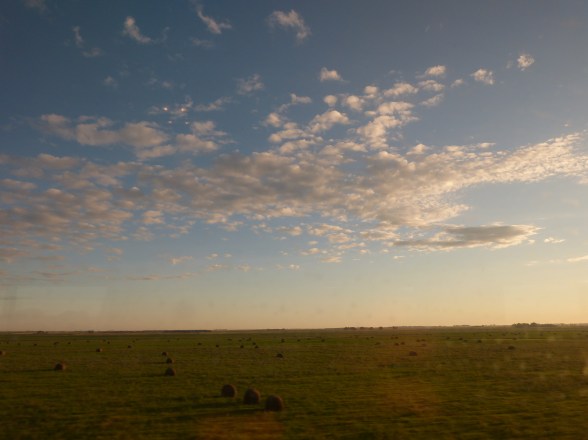
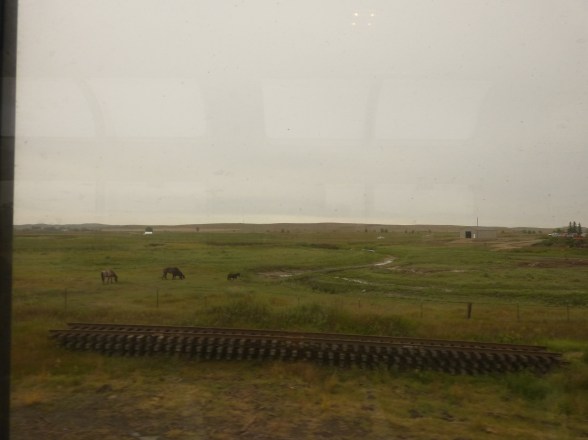
I am reading Dr. Robert Johnson’s Inner Work. I feel like I am on a journey, but it is a journey that is interior. I keep returning to the photographs I took in 2014, from the train, traveling from Washington to Michigan and back. I am tending my interior and asking questions. The trip across the country is so beautiful. I hope that our internal journeys will be as beautiful….
Discover and re-discover Mexico’s cuisine, culture and history through the recipes, backyard stories and other interesting findings of an expatriate in Canada
Engaging in some lyrical athletics whilst painting pictures with words and pounding the pavement. I run; blog; write poetry; chase after my kids & drink coffee.
Refugees welcome - Flüchtlinge willkommen I am teaching German to refugees. Ich unterrichte geflüchtete Menschen in der deutschen Sprache. I am writing this blog in English and German because my friends speak English and German. Ich schreibe auf Deutsch und Englisch, weil meine Freunde Deutsch und Englisch sprechen.




 Hundreds now live in Whoonga Park beside the railway lines in Berea, Durban. Photo: Nomfundo Xolo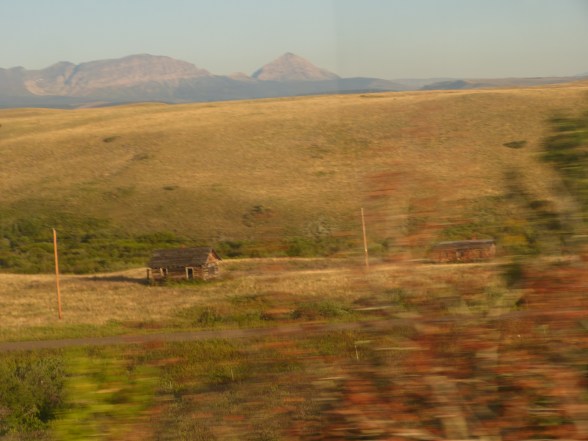


You must be logged in to post a comment.