Shift or not? Oh. I read it as swift or not. I am not going to shift from swift. It is too early to swiftly shift from swift to shift. Swift or not? Well, both. Not a swift as in the bird, but a swift and strong flier. Great blue herons always look incongruous to me in trees. They do like really big trees, but they always surprise me out on a branch. They have very light hollow bones compared to us and can sit lightly on a branch like this.
For the RDP: shift. I am swiftly feeling incongruously shifty on this early Monday.
I keep seeing headlines: MENTAL HEALTH IS WORSE. TEENS ARE STRESSED. ADULTS ARE STRESSED. DRUGS AND ALCOHOL AND DOMESTIC VIOLENCE ARE UP.
Like they shouldn’t be? This isn’t news. It is expected, because we are in a pandemic, the death rate is up, people are frightened, the scientific news changes daily and now we add a war.
OF COURSE PEOPLE ARE ANXIOUS AND STRESSED. And when stress goes up, substance “overuse” goes up too. Add fenanyl to the mix and the overdose death rate is up. Should I call it the “overuse” death rate to be politically correct? I do think that it is stupid to stigmatize “overuse”. But I also do not like the term “overuse”. Addiction may be stigmatized, but to me addiction means the drug or alcohol or gambling has taken over the person’s brain and it is the addiction that is lying to the person and to me. It makes it much easier for me to watch for relapse if I think of it as the habit or substance in control. There is no stigma there: the person is deeply ill and needs help. Part of the help is recognizing relapse. I look for signs.
With behavioral health we learn to watch for signs. The latest guidelines say that we should screen for behavioral health problems at well people visits. One in ten people are depressed and the lifetime incidence is higher.
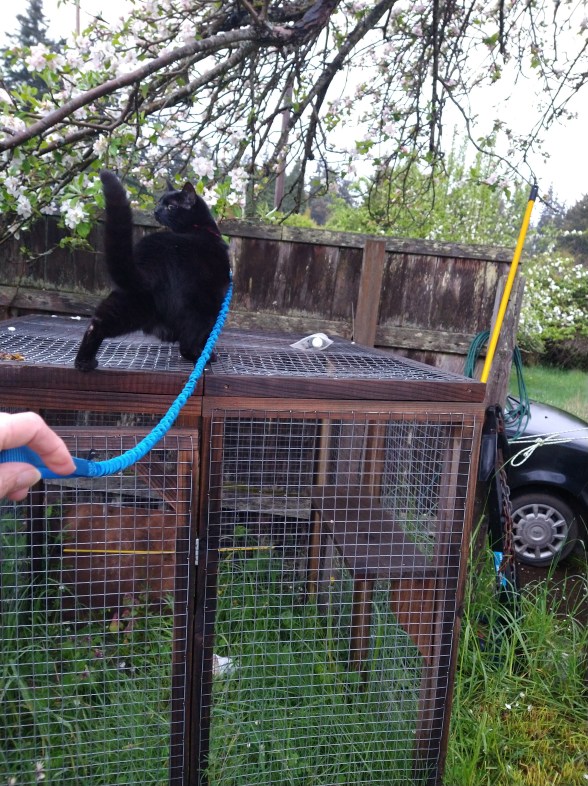
The online and news articles sound surprised that there is an increase in behavioral health problems. Why would anyone be surprised? We have evolved emotions along with logic and emotions help us to survive. If you are a child in a war zone or a family with abuse or domestic violence, your brain wires to survive the crisis as best you can. These are ACE scores, Adverse Childhood Experiences. Every child’s ACE score is going up during the pandemic. Adults can develop PTSD, depression, anxiety: of course. This is how our species survive. It isn’t FUN but it is not a disaster either. We can help each other. We can listen to each other. We may have to say “I can only listen to this for ten minutes,” and set a timer. There was a cartoon with a father with a stop watch. The daughter is complaining as fast as she can. He stops her: “There. You have had your one minute of whining today.” Limit the news if it is driving you bananas or you feel more depressed or frightened. Turn off the television: if you live in a safe place, go for a walk. I have goldfinches and pine siskins arguing with each other in my front yard. The cats are hugely entertained by this. The cats only go out with harness and leash. I may need to follow Sol Duc up trees. She leaped on top of the outdoor cat cage yesterday, four feet up. I was surprised. No wonder they can catch birds: from a stand to four feet up and she is about ten months old. And see? We are distracted by the cat and relax a little.
If you are not trying to escape a war zone or something else horrible, give yourself the gentle gifts: things that make you relax. Stupid cat videos, old music, reread a beloved book, a gentle walk outside. Yesterday I “walked” Elwha. He spent the whole walk sitting on the porch watching the birds. Two birds landed in the grass and he immediately morphed to hunter, but was still on a leash. I saw a pair of robins in the back yard. One was holding something in her beak. A gift for the other? Nest building? Nestlings already?
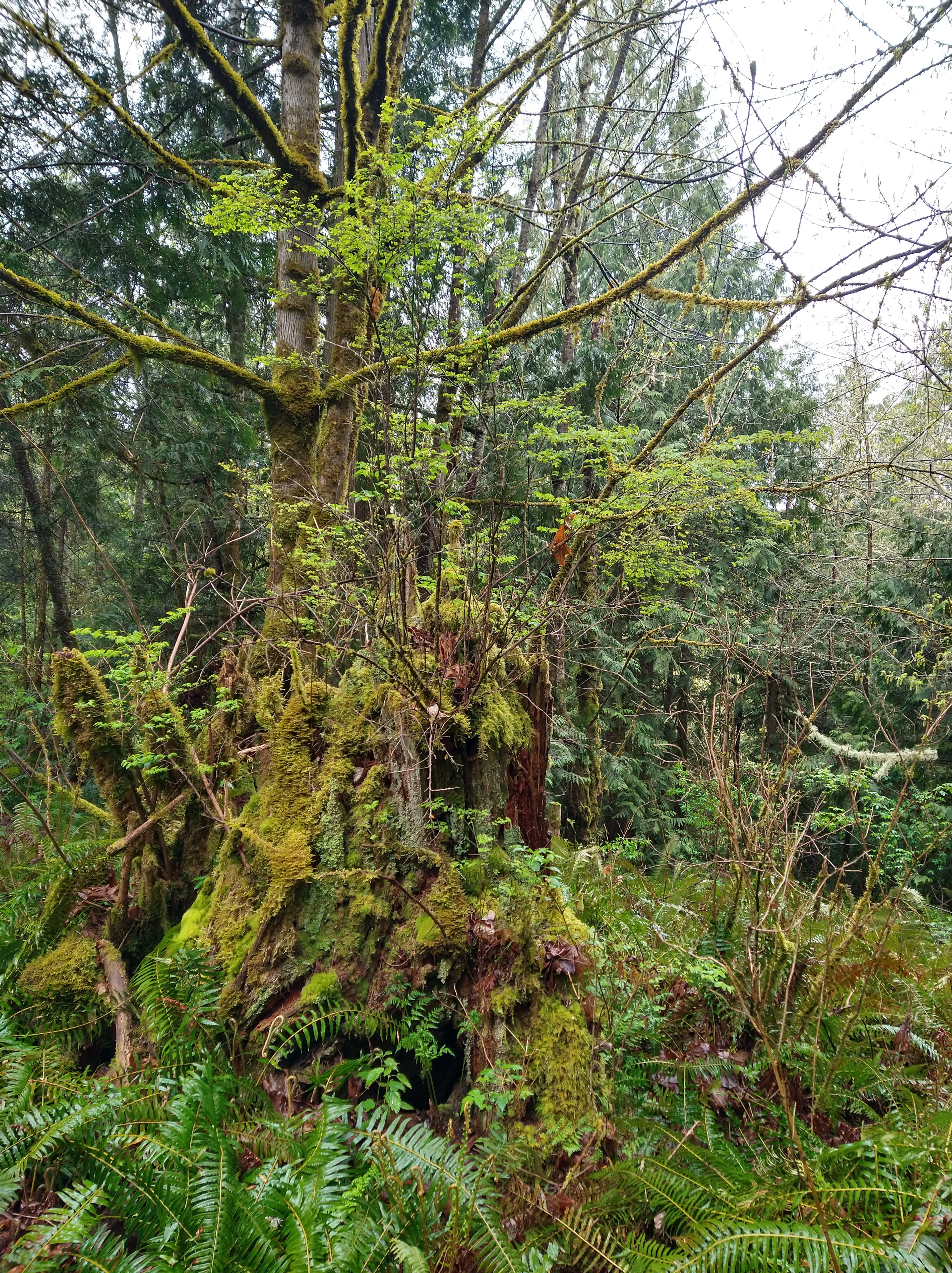
My other go to is the trees. I go lean on a tree when I feel overwhelmed. The trees do not seem to mind. Rocks don’t either and I am very grateful.
Blessings.
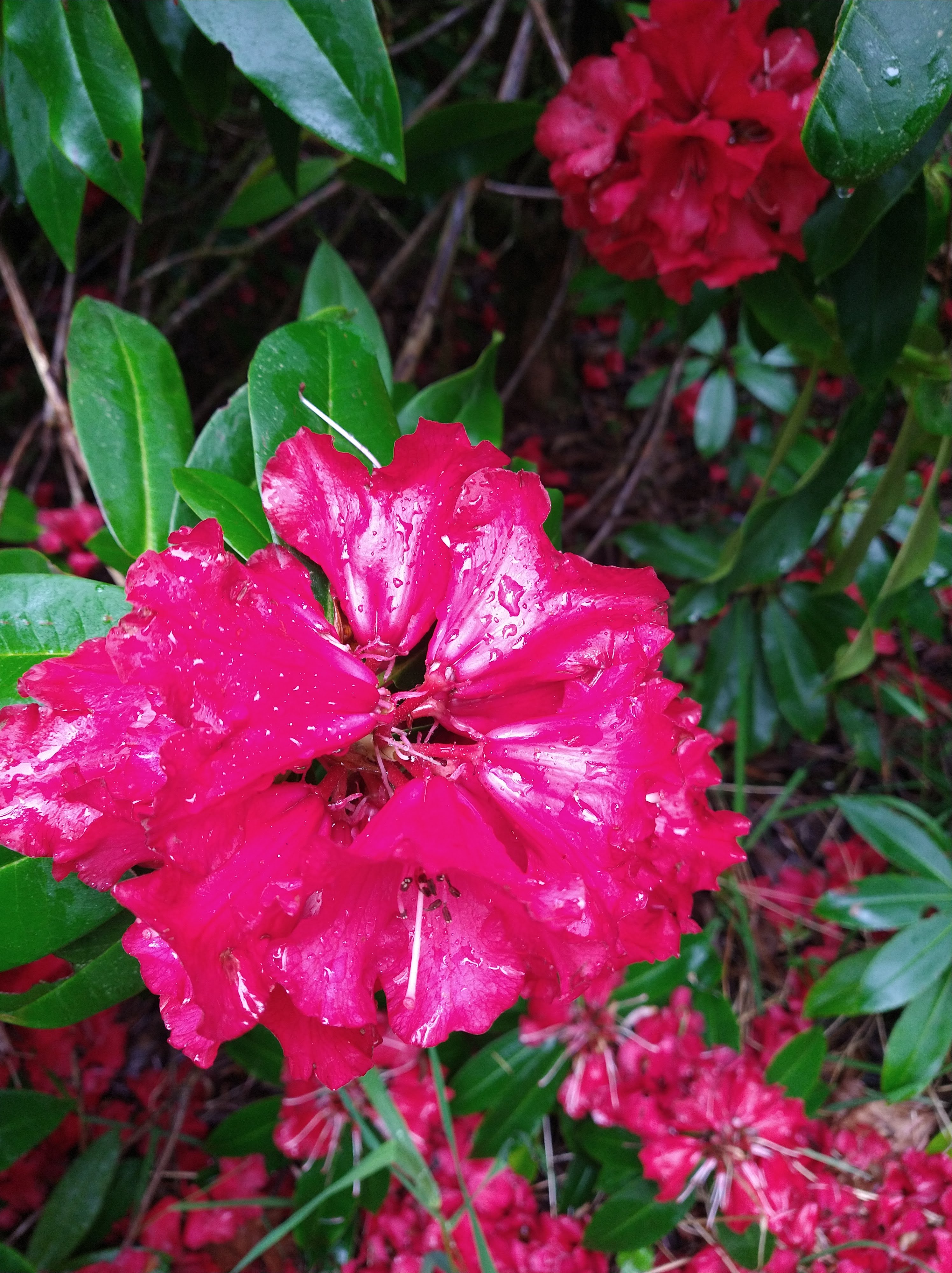
Our rhododendrons are blooming.
#ACE scores #behavioral health #emotion #fear #normal emotional response
I had covid recently AND I have been very lucky with it.
WHAT?
Ok, so when the war started I had been talking to a friend in Europe about visiting. He said nice seasons were May and September, but he and his wife have a kitchen make over planned for September.
“My son is getting married at the end of April, after two year long postponements, and so May doesn’t seem feasible. Maybe next May.”
Then the war starts. And it is affecting gasoline and causing inflation. I call my friend. “Can I come in two weeks?” March to early April.
“Yes. We have other guests a week after that.”
“Ok.” I try to get a British Airways ticket to stop in London to see an old friend from high school. British Airways has a computer attack and three days go by. To heck with it. I buy a ticket to Paris and on to my friend’s country.
I spend an hour on the phone trying to change to a layover in Paris for three days. I manage that. I fly to Paris and then take the train to London. Three wonderful days with my friend in London. I mask on planes, metros and trains. I double mask on the airplane, with my oxygen, and use a ceramic straw to drink liquids.
After three days I take the train back to Paris, the local train to the airport, and fly to my old friend’s. I arrive at midnight and we take the metro.
We do lots of sightseeing and take a memory trip to his parents’ graves and the town we lived in when I was 17 and he was 18.5. I was an exchange student. The language comes back. I can read but listening is more difficult. My brain won’t process it fast enough.
Four days before I am due to fly back, I get an email from AirFrance. I need a negative PCR covid test within 24 hours of flying to return to the US.
Well. I have a mild headache and muscle aches. Probably not covid, BUT. I go online, register in the country for a test and go to the testing site. Positive. I read about covid. The muscle aches of this strain usually happen at day 4-5. I did notice that going from London to Paris to my destination four days earlier, I feel a little off balance. Not bad, not spinning, just slightly weird. So my guess is that I am at day 4 or 5 of covid.
My hosts have both had covid within the last month, so I am not confined to my room. I read the rules for being allowed on the airplane once you HAVE covid. I have to wait 11 days, have a certificate of the test and then the eleven day certificate saying cleared. I isolate for 5 days, spend about 8 hours rescheduling the flight with Air France and Delta, and contact my doctor. My doc wants me to take medicine, but the local medical people where I am say I am not sick enough. I agree with the local people. The headache is gone the next day, I have mild sniffles, and my lungs are fine. Well, at least, they are no worse.
When I am out of isolation, I take a train to another town masked and stay at a hotel for four days. In that country, 80% of the people are vaccinated and 80% have had covid. They are no longer masking, except a few. I am feeling good. I mask when I am around other people and in all public spaces in the hotel.
The trip home is rather more exciting than I would like. At the airport I am informed that I need a doctor clearance ALSO. They say retest. I say “I AM a doctor.” and pull out a copy of my license. I brought it just in case the war spread and I needed to help out. They let me on the plane. In Paris I nearly miss my connection, but am one of the last 8 people on the plane. I am very relieved once we take off.
The silver lining is that at my son’s wedding I am now very unlikely to get covid or give anyone covid and mine was very mild. The Omicron BA2.12.1 that is circulating in Europe is milder than the previous strains AND ten times more contagious or more. So the covid is morphing towards a cold, which is what coronaviruses used to do to us. There are some strains that I read about that are going in a more virulent direction, so I would prefer to have the mild one and be protected from the nasty ones.
I am hoping that it’s more and more Omicron BA2.12.1, since it seems to be milder. I am reassured that covid did not make my lungs worse. Within a week I am better from covid and then get what seems like a normal cold. Covid testing negative. I am feeling well for the wedding and reassured that a normal cold does not force me on to continuous oxygen. I am feeling lucky about the version of covid that I have but I am NOT recommending that people get it on purpose, because even with mild covid, some people go on to develop long covid. Here is an article that I got yesterday through the American Academy of Family Practice:
Long covid is very worrisome and we don’t know what it will look like after a year or more. Many of the present studies are on unimmunized people, from the first year of covid, so the studies of immunized are still evolving. There is hope that there is less risk of long covid with immunization but there is still a risk.
Covid will continue to morph into different strains. We continue to get “colds” or “upper respiratory infections” because the viruses are very very good and fast at changing and avoiding our immune systems. Consider checking the CDC data tracker above regularly to see if your county or your destination has a high covid level and if so, mask back up.
One caveat: my local health department says we have a high level of transmission right now, here:
Remember that all of these sites have to exchange data and update everything. My best guess is that the local has the best numbers, but that is a guess.
It is gracious of the mountain to show herself the day after my son and daughter-in-law’s wedding. I stay in a rental house with two aunts and an uncle (all in their 80s), my daughter, and two old friends and their son. The age range is 13 to 86. When the fog and clouds fall away from the mountain we all rush for our cameras.
A friend quotes her son, who says that our immune systems are failing because we have been in isolation. I respond that it’s not isolation: it is stress. Anyone who is not stressed by the addition of war to a pandemic needs to have their head examined. Why does stress mess up our immune systems?
We have two main systemic states: sympathetic and parasympathetic. Sympathetic is the high stress, fight or flight, muscles fired up, gut on hold, and unfortunately we have a pretty sympathetic state culture. Add a pandemic on top of that and then a war and no wonder everyone is flipping out. Parasympathetic is the one we don’t hear about: the happy, relaxed one that likes stupid cat videos and laughter.
Without the sympathetic nervous system, we can survive. Without the parasympathetic, we die.
I have written about how we metabolize cholesterol, depending on whether we are in a sympathetic or parasympathetic state. When we are relaxed, or less stressed, we make more sex hormones and thyroid hormone. That is parasympathetic.
When we are in a crisis, or more stressed, we make more adrenaline and cortisol. That is in the sympathetic nervous system arousal state.
A pain conference I went to at Swedish Hospital took this a step further. They said that chronic pain and PTSD patients are in a high sympathetic nervous system state. The sympathetic nervous system is the fight or flight state. It’s great for emergencies: increases heart rate, dilates air passages in the lungs, dilates pupils, reduces gut mobility, increases blood glucose, and tightens the fascia in the muscles so that you can fight or run. But…. what if you are in a sympathetic nervous system state all the time? Fatigue, decreased sex drive, insomnia and agitated or anxious. And remember the tightened fascia? Muscle pain. The high cortisol level also is not good for the immune system, so we are more likely to get sick. High cortisol also raises blood sugar and the immune system is hyperalert. We are more likely to develop autoimmune disorders.
When we are relaxed, the parasympathetic system is in charge. Digesting food, resting, sexual arousal, salivation, lacrimation, urination, and defecation. So saliva, tears, urine, and bowel movements, not to mention digesting food and interest in sex. And muscles relax.
If the sympathetic nervous system is in overdrive, how do we shut it off? I had an interesting conversation with a person with PTSD , where he said that he finds that all his muscles are tight when he is watching television. He can consciously relax them.
“Do they stay relaxed?” I asked.
“I don’t know.” he replies, “but my normal is the hyperalert state.”
“Maybe the hyperalert state, the sympathetic state, is what you are used to, rather than being your normal.”
He sat and stared at me. A different idea….
So HOW do we switch over from the sympathetic to the parasympathetic state?
Swedish taught a breathing technique.
Twenty minutes. Six breaths per minute, either 5 seconds in and 5 seconds out, or 6 in and 4 out. Your preference. And they said that after 15 minutes, people switch from the sympathetic to the parasympathetic state.
Does this work for everyone? Is it always at 15 minutes? I don’t know yet. But now I am thinking hard about different ways to switch the sympathetic to parasympathetic.
Meditation. Slow walking outside. No headphones! We need to listen to the birds and wind, watch the trees, really look at nature. All of the new sensory input relaxes us. Rocking: a rocking chair or glider. Breathing exercises: 5 seconds in and 5 seconds out. Work up to 20 minutes. Massage: but not for people who fear being touched. One study of a one hour massage showed cortisol dropping by 50% on average in blood levels. That is huge. Playing: (one site says especially with children and animals. But it also says we are intelligently designed). Yoga, tai chi, and chi kung. Whatever relaxes YOU: knitting, singing, working on cars, carving, puttering, soduku, jigsaw puzzles, word searches, making bean pictures or macaroni pictures, coloring, a purring cat, throwing a ball for a dog…..and I’ll bet the stupid pet photos and videos help too….
My patient took my diagrams and notes written on the exam table paper home. He is thinking about the parasympathetic state: about getting to know it and deliberately exploring it.
Discover and re-discover Mexico’s cuisine, culture and history through the recipes, backyard stories and other interesting findings of an expatriate in Canada
Engaging in some lyrical athletics whilst painting pictures with words and pounding the pavement. I run; blog; write poetry; chase after my kids & drink coffee.
Refugees welcome - Flüchtlinge willkommen I am teaching German to refugees. Ich unterrichte geflüchtete Menschen in der deutschen Sprache. I am writing this blog in English and German because my friends speak English and German. Ich schreibe auf Deutsch und Englisch, weil meine Freunde Deutsch und Englisch sprechen.








 KO Rural Mad As Hell Blog
You must be logged in to post a comment.