Alcohol myths

I am back working in Colorado and a recurring theme this month is alcohol and alcohol myths.

Myth: If I only drink on my days off, I am not an alcoholic. Nope. People can binge one day a week and still be an alcoholic. A standard “dose” of alcohol is 12 ounces of 5% beer, 5 ounces of standard wine or 1.5 ounces of liquor. But what if someone drinks 8% beer, 12 ounces? Well, that’s 1.6 standard drinks. An 8% 16 ounce beer? That is 1.6 times 1.3, so 2.08 drinks. Perhaps we should have an app that calculates this. And locks the car ignition when we are over the limit.

How much alcohol means that we are an alcoholic? The guidelines right now in the US say 7 drinks per week maximum for women, 14 for men, no more than one in 24 hours for women, no more than 2 in 24 hours for men and no saving it up for the weekend. Here: https://www.niaaa.nih.gov/health-professionals-communities/core-resource-on-alcohol/basics-defining-how-much-alcohol-too-much#pub-toc3. However, alcohol is bad for the liver, bad for the heart, bad for the brain, and increases cancer risk. There is not a “safe” amount.

What is binging or heavy drinking? For women—4 or more drinks on any day or 8 or more per week, For men—5 or more drinks on any day or 15 or more per week. The rate at which people drink is also part of this.

MYTH: If I don’t throw up, I’m not an alcoholic. Now that’s an interesting one. When we drink, alcohol is absorbed into the blood and goes through the liver. The liver has enzymes which break alcohol down into aldehyde. Aldehyde is a carcinogen, causes cancer. Aldehyde is broken down by other enzymes into acetate and then to carbon dioxide and water. Some people break down the aldehyde quickly, fast metabolizers. They can drink a lot and not throw up because they break the aldehyde down fast. However, the process inflames and kills liver cells. If they keep drinking, the liver slowly dies, and this is cirrhosis. Eventually they will not be able to break down alcohol fast because the liver makes the enzymes. Then they will start throwing up.

Other people make enzymes that are slower or make less, and they get sick and have alcohol poisoning more quickly. The fast metabolizers are at higher risk for cirrhosis and the slow ones for liver cancer, but they can get either.

MYTH: “My blood pressure is fine.” I spoke to a person who stated that their blood pressure was ok during pregnancy so they did not have high blood pressure. The chart shows very high blood pressure for the last three years and I didn’t look back further. I ask, “Did you stop drinking alcohol while pregnant?” “Of course.” When NOT pregnant, this person admits to 4-5 drinks a day. Also, the history in the chart states that they had blood pressure complications in pregnancy. I did not have time to go through the chart and look at that, but this person is in denial. I think of denial as the addiction taking over and the addiction lies. It lies to me but it also lies to the person. They want to believe what they say. They want everyone else to believe what they say even if it is patently a lie and ridiculous. A woman who says a friend gave her something, she didn’t know what it was, for a headache. “How did you take it?” I asked, looking at the urine dip results. “I snorted it.” “So what things do you snort for a headache?” She was positive for cocaine and pleading ignorance was ludicrous. Another person has a positive urine drug screen for multiple things. “Can I try again?” Pause. “Sure.” I say. The first one is a false sample and I am very curious to see what the real sample will have. It has nothing. He is then surprised that I won’t fill his prescription and offer inpatient drug rehabilitation. Come now, sir, you got a urine sample from a dealer when you sold the medicine I gave you for something else. Your dealer must have been annoyed or gave you the wrong sample. When someone is really out of control, they do not have convincing lies and the only person they can convince is themselves. It is interesting to watch someone be all outraged that I do not buy the story, accusing me of discrimination or hating them or hating their race or whatever. They attempt to accuse and distract. It is harder for families because they desperately want to believe their loved one, even when the evidence shouts the opposite.

What does blood pressure have to do with alcohol? Alcohol drives blood pressure up and pulse, especially when it is wearing off. Severe alcohol withdrawal is delerium tremens and people can have such high blood pressure that they have a stroke or a heart attack or encephalopathy — a poisoned brain. They can hallucinate or have seizures and it is very dangerous. “Very dangerous” means they could die or have permanent disability. Tobacco, cocaine, methamphetamines, all raise blood pressure. The number one cause of death in the United States is the heart, but it’s not just from hypertension and weight and cholesterol and inactivity. Addictive drugs have a huge contribution.

There is nothing cheap about the cost of addiction in our country.

For the Ragtag Daily Prompt: cheap.

Adverse Childhood Experiences 15: Guidelines

I wrote Adverse Childhood Experiences 14: Hope quite a while ago.

The American Academy of Pediatrics has a guideline that physicians should introduce and screen for Adverse Childhood Experiences. The American Academy of Family Practice is skeptical, here: https://www.aafp.org/pubs/afp/issues/2014/1215/p822.html. Here are two more writeups: https://www.aafp.org/pubs/afp/issues/2020/0701/p55.html and https://www.aafp.org/pubs/fpm/blogs/inpractice/entry/screen_for_aces.html.

It is difficult to screen for ACE scores for the same reason that it is difficult to screen for domestic violence and to talk about end of life plans. These are difficult topics and everyone may be uncomfortable. Besides, what can we DO about it? If growing up in trauma wires someone’s brain differently, what do we do?

I don’t frame it as the person being “damaged”. Instead, I bring up the ACE score study and say that first I congratulate people for surviving their childhood. Good job! Congratulations! You have reached adulthood! Now what?

With a high ACE score comes increased risk of addictions (all of them), mental health diagnoses (same) and chronic disease. Is this a death sentence? Should we give up? No, I think there is a lot we can do. I frame this as having “survival” brain wiring instead of “Leave it to Beaver” brain wiring. The need to survive difficulties and untrustworthy adults during childhood can set up behavior patterns that extend into adulthood. Are there patterns that we want to change and that are not serving us as adults?

This week a person said that they blow up too easily. Ah, that is one that I had to work on for years. Medical training helps but also learning that anger often covers other feelings: grief, fear, shame. I had to work to uncover those feelings and learn to feel them instead of anger. Anger can function as a boundary in childhood homes where there are not adult role models, or where the adults behave one way when sober and an entirely different way when impaired and under the influence. There may be lip service to behave a certain way but if the adult doesn’t behave, it is pretty confusing. And then the adult may not remember or be in denial or try to blame someone else, including the child, for “causing” them to be impaired.

What if someone had a “normal” childhood but the trauma all hit as a young adult? I think adults can have trauma that changes the brain too. PTSD in non-military is most often caused by motor vehicle accidents. At least, that is what I was told in the last PTSD talk I went to. Now that overdose deaths have overtaken motor vehicle accidents as the top death by accident yearly in the US, I wonder if having a fentenyl death in the family causes PTSD. Certainly it causes trauma and grief and anger and shame.

I agree with the American Academy of Pediatrics that we should screen for Adverse Childhood Experiences. We need training in how to talk about it and how to respond. I have had people tell me that their childhood was fine and then later tell me that one or both parents were alcoholics. The “fine” childhood might not have been quite as fine as reported initially. One of the hallmarks of addiction families is denial: not happening, we don’t talk about it, everything is fine. Maybe it is not fine after all. If we can learn to talk to adults about the effects on children and help people to change even in small ways, I have hope that we will help children. We can’t prevent all trauma to children, but we can mitigate it. All the ACE scores rose during the Covid pandemic and we are still working on how to help each other and ourselves.

Here is another article: https://www.aafp.org/pubs/fpm/issues/2019/0300/p5.html.

Blessings.

For the Ragtag Daily Prompt: open wound.

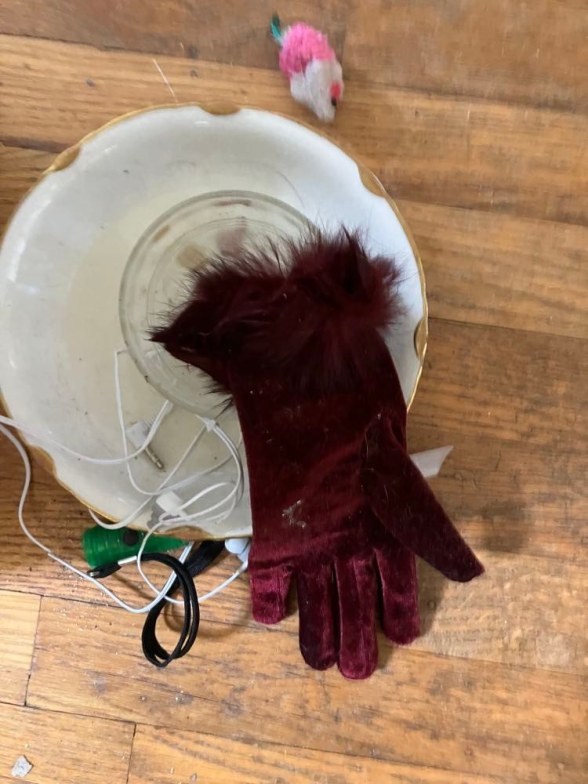
The photograph is one of Elwha’s cat art installations. He would pile toys on his bowl. Two bowels because I need to keep out the little ants. Sol Duc would do it too but not as often. I fed them in separate rooms. They would pile things on the bowl whether there was food left or not.

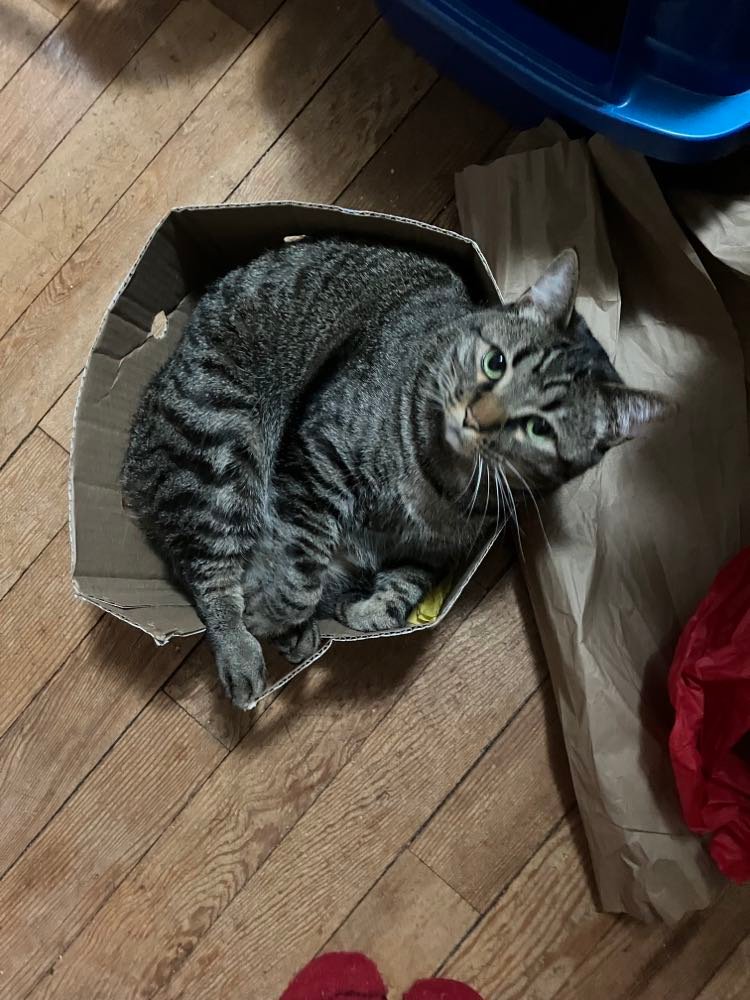
Elwha is still missing, sigh. That is a wound. The photographs are from March 2023.

Age-defying

I get lots of quasi and fringe medical emails. I subscribe to some so that I know what they are “pushing”. The current trend is online “classes” where you sign up and then they have hours of talk and interviews and stuff. The talks can be three hours or more for a week. I am offered a bargain daily to sign up to be able to access the talks over and over. Hmmm, not today, thanks. I have very low tolerance for videos and television.

Currently I’m getting notes from an “age-defying” one.

I am skeptical about “age-defying” as they are describing it. However, there is a study that I think is very convincing about how to stay healthy as you get older. It was done in England. They looked at five habits: excess alcohol (averaging more than two drinks a day), inactivity (couch potato), addictive drugs, obesity and tobacco.

They had people who had none of the five, people who had all of them and people who had one or two or more. The conclusion was that for each one added, the average lifespan dropped by about four years. That is, the people who did all five tended to die 20 years sooner on average than the ones with none of the bad habits.

Recently in the US, the news said “Gosh, it turns out that any alcohol is bad for us.” I thought, how silly, when various studies made that clear over a decade ago. There was a very nice study from Finland, with 79,000 people where they looked at alcohol and atrial fibrillation. Atrial fibrillation increases the risk of strokes. They concluded that lifetime dose of alcohol was directly related to atrial fibrillation. That is, the more you drink, the sooner your heart gets really grumpy and starts fibrillating. Alcohol is toxic to the heart, the liver, the brain. Tobacco is toxic to the lungs, the heart, the brain and everything else. The addictive drugs: well, you get the picture.

So the anti-aging prescription is pretty simple to recommend. It just is not always simple to do. That is why we still have doctors. For chronic bad habits I am part mom/cheerleader/bearleader/nag/kind helper. Here is the prescription. Feel free to send me money instead of buying that seven day set of twenty one hours of lectures:

  1. Minimal or no alcohol.
  2. No addictive drugs (that includes marijuana and THC and we have almost no studies indicating that CBD is not addictive.Remember that THC and CBD and the other 300+ cannabinoids produced by the marijuana plant were not studied because it is illegal at the federal level.)
  3. No tobacco.
  4. Exercise every day: a walk is fine.
  5. Maintain your weight, which means as you get older you either have to exercise more or eat less or both. Muscle mass decreases with age.

The last anti-aging piece is some luck. Born into a war zone? Caught in a disaster, flood, fire, tsunami? Born into a family with trauma and addiction and few resources? Huge stress in your life? Discrimination or abuse? If you have had none of these, help someone else, because you have the luck. Pass it on.

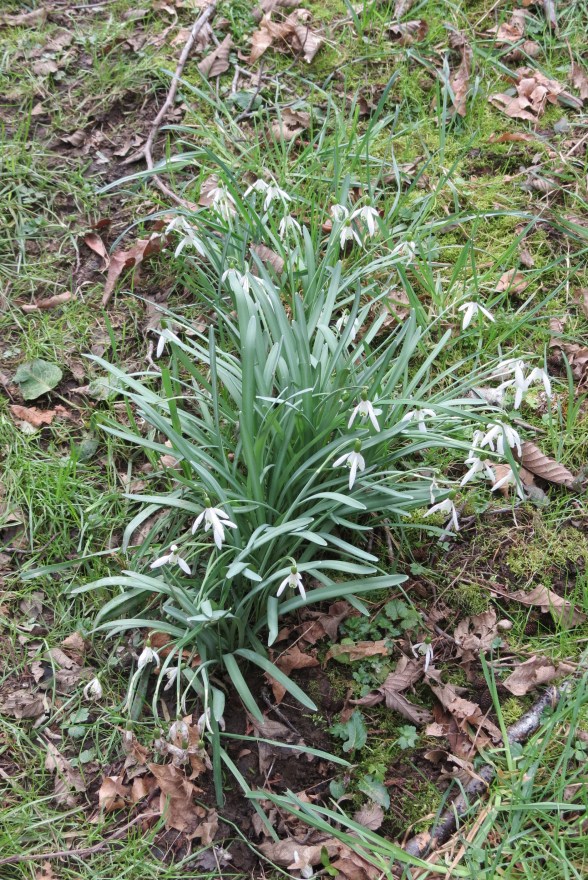
The header photograph is all family members: two are my aunts and one is a cousin of my father’s and they all play church organ! Music sustains that side of the family. I took that in 2017 in Baltimore, Maryland. We had the uncles along too!

This is my grandmother on my mother’s side. I took this in the early 1980s at Lake Matinenda.

I will try to dig up the links to the two studies.

Shame and anger in overuse illnesses

“amongst those who treat addicts of any kind generally agree that anger and shame help no one and is actively counter-productive.”*

Wait.

I have to think about that statement.

I do not agree at all.

Ok, for the physician/ARNP/PAC, anger at the patient and shaming the patient are not good practice, don’t work, and could make them worse. BUT anger and shame come up.

In many patients.

Sometimes it goes like this with opioid overuse: the person shows up, gets on buprenorphine, and is clean.

It may be a long time since they have been “clean”.

One young man wants to know WHY I am treating him as an opioid overuse patient. “Why are you treating me like an addict?”

I try to be patient. I recommended that he go inpatient, because I don’t think we will cut through the denial outpatient. Very high risk of relapse. “You have been buying oxycodone on the street for more than ten years.”

“I’ve been buying it for back pain, not to party.”

“Did you ever see a doctor about the back pain?”

“Well, no.”

“Buying it illegally is one of the criteria of opiate overuse.”

“But I’m not an addict! I’ve never tried heroin! I have never used needles!”

“We can go through the criteria again.”

He shakes his head.

He is in denial. He is fine. He doesn’t need inpatient. He is super confident, gets work again, is super proud.

And then angry. “My family still won’t talk to me!”

“Um, yes.”

“I’m clean. I’m going to the stupid AA/NA groups! Though I don’t need to. I’m fine!”

“What have you noticed at the groups?”

“What a bunch of liars!” he says, angry. “There are people court ordered there and they are still using! I can tell. They are lying through their teeth!”

“Obvious, huh?”

“Yeah!”

“Did you ever lie while you were taking the oxycodone?”

Now he ducks his head and looks down. “Well, maybe. A little.”

“Do you think your family and friends could tell?”

He glances up at me and away. “Maybe.”

“Your family may be angry and may have trouble trusting you for a while.”

“But I’ve been clean for four months!”

“How many years did you tell untruths?”

“Well.”

Shame and anger. Anger from the family and old friends, who have heard the story before, who are not inclined to trust, who are hurt and sad. The first hurdle is getting clean, but that is only the first one. Repairing relationships takes time and some people may refuse and they have that right! Sometimes patients are shocked that now that they are clean, a relationship can’t be repaired. Or that it may take years to repair. My overuse folks are not exactly used to being patient. And sometimes as they realize how upset the family and friends are, they are very ashamed. And some are very sad, at years lost, and friendships, and loved ones. I have had at least one person disappear, to relapse, after describing introducing someone else to heroin. He died about two years later, in his forties.

Shame and anger definitely come up in overuse illness.

The above is not a single patient, but cobbled together from more than one.

______________________

*from an essay titled “F—ing yes, I’m a fatphobe” on everything2.com. Today there are two with that title. The quotation is from the second essay.

Adverse Childhood Experiences 14: Hope

I keep reading bits about despair and about how a generation of children is being “ruined” by the pandemic.

Not so, I say. There is hope. We need to support each other to survive and then to thrive.

This generation WILL have a higher than average ACE score. If the Adverse Childhood Experience scale is from zero to eight, children in this time period will have at least one higher point than average and many will have three or four or more. Loss of a parent, a sibling, beloved grandparents during covid. Increases in domestic violence, child abuse and addiction. These are all part of the ACE score.

What does this do to children? They have survival brain wiring. They will do their best to survive what is happening. A friend and I both have high ACE scores, 5 or more, and we are both oppositional defiant. We showed this in different ways. He grew up in the same community. He escaped from home and knew all the neighbors. He walked to the local church and attended at age 3 or 4. He has lived in this community all his life.

His oppositional defiance showed up at home, where he consistently refused to obey. And in school, where he confounded and disobeyed teachers and passed anyhow.

My family moved every 1-5 years. I hated moving. I wouldn’t talk to kids in a new school for a year. It was very difficult. So my oppositional defiance was very very internal. I hid in books and in my head. In 6th grade I got in trouble for hiding novels inside the school book I’d already read. I also would just not listen and my respect for the teacher got even lower when she would be angry that I knew the answer to the question once she’d repeated it. I wasn’t listening because I was bored. She was the first teacher that I thought, well, she is not very bright. The next year they stuck me in the honors class and I stopped being bored, though I still questioned practically every opinion every teacher had. I wanted evidence and I did not believe it just because the teacher said it.

I am not saying that oppositional defiance is in every high ACE score. I don’t know that. Why oppositional defiance? Imagine you are a small child and you are beaten. There isn’t rhyme or reason. You can’t predict when the adult will be out of control. Why would you behave “well” if it makes no difference? You might as well do what you want, because nothing you do will change the adult. Or imagine you are a small child who is with one person, passed to another, then to another. You may not exactly trust adults after two or three repetitions. And you want to survive.

There is an increase in addictions, behavioral health diagnoses, and chronic illness in adults with a high ACE score. A researcher when I first heard a lecture about it said, “We think perhaps that addiction is a form of self medication.” I thought, oh, my gosh, how are we ever going to treat THIS? Well, we have to figure that out now, and we’ve had 30 years to work on it.

I was very comfortable with the oppositional defiant patients in clinic. I got very good at not arguing with them and not taking their behavior personally. They might show up all spiky and hostile and I might be a little spiky and gruff back: sometimes that was enough. I think the high ACE score people often recognize each other at some level, though not always a conscious one. With some people I might bring up ACE scores and ask about their childhood. Sometimes they wanted to discuss it. Sometimes they didn’t. Either was ok.

One thing we should NOT do is insist that everyone be “nice”. We had a temporary doctor who told us her story. Her family escaped Southeast Asia in a boat. They had run out of water and were going to die when they were found by pirates. The pirates gave them water. They made it to land and were in a refugee camp for eight years or so. She eventually made it to the US. She was deemed too “undiplomatic” for our rural hospital. I wondered if people would have said that if they knew her history and what she had been through. It’s not exactly a Leave it to Beaver childhood, is it? When she was telling us about nearly dying of thirst in the boat, my daughter left her chair and climbed on my lap. She was under ten and understood that this was a true and very frightening story.

We can support this generation of children. This has been and is still being Adverse Experiences for adults as well. Family deaths, job loss, failure of jobs to support people, inflation. Remember the 1920s, after World War I and the last pandemic, of influenza. “On October 28, 1919, Congress passed the National Prohibition Act, also known as the Volstead Act, which provided enabling legislation to implement the 18th Amendment.” (wikipedia). There were forces trying to legislate behavior, as there are now. The result in 1920s of making alcohol illegal was speakeasies, illegal alcohol, and violence. Some people acted wild after WWI and the influenza pandemic and some people tried to lock down control, by controlling other peoples’ behavior. It did not work then and it will not work now. The wildness is out of control grief, I think, grief dysfunctional and drinking and shooting and doing anything and everything, legal or not. We remember how the 1920s ended too. Let us not repeat that. Let us mourn and grieve and support each other and support each other’s decisions and autonomy.

Blessings.

Don’t try this at home

https://news.ohsu.edu/2022/03/17/little-evidence-on-how-psilocybin-therapy-interacts-with-existing-psychiatric-treatments-review-finds?linkId=156952130

People are busily hopping on the psilocybin bandwagon. DON’T. Why not, you say, it’s NATURAL. Well, the death angel mushroom is also natural but it will kill you. So are red tides, poisonous snakes and sharks.

You wouldn’t take your buddy’s appendix out in your kitchen, would you? Don’t mess with your buddy’s brain either. Especially if there is already a behavioral health diagnosis and/or an addiction already on board. Either or both might get WORSE rather than better. Wait for the research.

And remember: one in four people meets diagnostic criteria for a behavioral health diagnosis at least once in their life. When there is also an addiction, we call it dual diagnosis.

And for pity’s sake, be careful with pot products, ok? It’s a total myth that they are not addictive. Yeah, people have told me for my entire career, over 30 years, “I am not addicted to (pot, heroin, alcohol, gambling, cocaine, meth, crack, whatever)”. ALL ALCOHOLICS say this the first time they are admitted for crashing a car or alcohol poisoning or vomiting blood or liver failure. “Not me. I am stopping today. I am NOT addicted. I do not need to talk to the substance abuse person.” We roll our eyes and send in the substance abuse person anyhow, because HEY, THE PERSON IS TOO ADDICTED AND IN DENIAL.

If you are going to use pot products, use them one or two times a week. Max three. Because a study of teens that paid them (with parental permission, consent, etc) to stop for a month found that almost none of the teens who used pot daily could stop. They relapsed. And they complained of anxiety and insomnia. And I have worked with adults trying to quit: again, anxiety and insomnia. The teens in the study who only used 2-3 days a week COULD stop for the month. The study monitored urine drug screens quite strictly.

And if you say, well, I can’t sleep without it. Um, yeah, that is addiction. I would wean. Reduce amounts and then start with one night a week without it. Good luck. Get help if you need it.

And don’t jump on the psilocybin bandwagon!!! Holy moly, humans are amazing, the ways they think up to hurt themselves and each other. If you want to be in a clinical trial, go find one. Don’t fool with Mother Nature, she can be a killer.

Happy solstice and blessings.

Here is the scientific paper for the science geeks like me:

https://link.springer.com/article/10.1007/s00213-022-06083-y

The picture is just a picture. No worries.

Avoid death by fentanyl

Some of the West Point Cadets overdosed on March 12, 2022 are still on ventilators. They took what they thought was cocaine. It was laced with fentanyl and they all nearly died.

Not only that, but two of the bystanders who did not use the drug, but did cardiopulmonary resuscitation, CPR, also succumbed. They stopped breathing because they got a heavy dose of fentanyl giving CPR.

Fentanyl is being laced into ANY illegal drug, and being 50 times stronger than morphine, it can kill you by making you stop breathing. Also, fake pills are made. Do not buy pills on the street. And I don’t care if it is your friend. Remember that when someone is really addicted, the addiction is running the show. They need the drug more than your friendship. People will lie, steal and sell drugs. Protect yourself:

Please read the website at

https://www.cdc.gov/stopoverdose/

If you or a family member uses illegal drugs, please get naloxone to have at home. If the shot is given in time, very soon after the person stops breathing, it can save their life.

Here: https://www.cdc.gov/stopoverdose/naloxone/index.html

If you give someone a dose of naloxone CALL AN AMBULANCE. Because it is short acting and the opioid may take back over. The person may need to be on naloxone iv! You must get them to an emergency room as fast as possible.

Our local Health Department was giving out naloxone shot kits in the last few years for free. Our local police carry naloxone. If you are on prescription opioids, you should be offered a prescription for naloxone and your family should be instructed on how to use it.

And teach your children well. I interviewed my patients for years on the age they started smoking. Most of my patients started at age nine. One woman said age seven. We have to start talking to children about drugs and risk and not smoking anything by third grade. That is the horrific reality.

And Bless the punk band The Offspring for reaching out to opioid overuse people and saying, “Get help. You can do it. Please do not die.”

The Opioid diaries live by the Offspring.

And they too are inimitable.

don’t kill your clients

I wrote this in 2016, when at least nine people died of overdoses in Vancouver, BC at Christmas, from fentanyl. I knew fentanyl was hitting my corner of the Washington State too. Warning, this contains a lot of swearing (edited so this does not become a “mature” site). I was in a very bad mood when I wrote it. It is meant to be black humor, to help me deal with grief.

http://www.cbc.ca/news/canada/british-columbia/fentanyl-crisis-up-to-9-drug-overdose-deaths-in-vancouver-last-night-1.3900437

But the news today is STILL talking about fentanyl and overdose: https://www.cnn.com/2022/03/12/us/west-point-cadets-overdose-fentanyl/index.html. When will we ever learn? And also, drug dealers are not actually trustworthy…. your cocaine might contain fentanyl. Don’t do it.

don’t kill your clients

oh, you think I’m talking to physicians….

….no, I’m talking to my fellow dealers.

See, heroin is rather labor intensive to produce, being from the opium poppy and all that. (When people say “I only take natural supplements.” I want to say, “You mean like opium and heroin? You know, plant based.”) Also, Afganistan, those fungkers shoot you as soon as look at you. It turns out that fentanyl is cheaper to make and you can source the ingredients from China.

And then, you can make fake oxycodone tabs and fake hydrocondone pills and sell them for bitcoin on the silk road. But you know, ya gotta mix the sheet right. If you mix it wrong and a buncha people overdose and die, there are complaints. Ya might get some scared clients, like, junkie friends of junkies. And then there are also those chronic pain people who aren’t junkies but been forced onto the streets to treat they habit, I mean, pain. We got a good thing going, the pill thing, because the junkies think that pills is safer than heroin. You might scare the fungkers and then how the fungk will I be able to buy that island with my bitcoin?

So dealers, ya’ll fungkheads, ya messing it up if you don’t get the goddarn mix right. See, fentanyl is not routinely tested for on the blood and urine drug screens. So the person gets labelled as an oxycodone overdose and no one knows that it’s fake pills. But when there are too many deaths, the goddarn feds and doctors get suspicious and start testing the pills.

Same with heroin. Cheapens things to cut it with fentenyl. But you gotta calculate right, because if you kill a whole bunch of clients at once, 1. you cut into profits 2. you make the cops and docs suspicious. You gonna ruin it for everyone, you goddarn morons.

And now I hear we got a new mix. Carfentanil, an elephant tranquilizer. Read the recipes carefully, morons, it’s 10,000 times as strong as morphine, you gotta dilute the sheet 10,000 times. Don’t you know math? Take a goddarn chemistry course.

Don’t fungk things up for the responsible drug dealers. A live client keeps on paying.

Be careful out there.

https://www.theguardian.com/global/2016/dec/11/pills-that-kill-why-are-thousands-dying-from-fentanyl-abuse-http://www.cnn.com/2016/08/24/health/elephant-tranquilizer-carfentanil-heroin/

first impressions

I am taking a writing class and our next book is on cultural appropriation.

This interests me. I tend to be a little gender blind and race blind when I meet people. I am using my super skill instead. My skill is developed from a really scary childhood: I read the stuffed emotions. The stuff people are hiding.

No way, you say. Oh, yes, I say.

My sister described coming home from high school and stopping when she walked into the house. She was trying to sense what was going on. Were our parents fighting? Was our father drunk? Yes, he was drunk, but which stage?

We talked about the stages and which we hated most.

Stage goofy/silly was annoying but not toxic. We said we had homework.

Stage asleep in a fetal ball in the upstairs hallway. My sister said she would step over him to get to her room.

Stage maudlin. We both agreed this was the worst. He would cry and say, “You can tell me anything.” Once he caught me in that stage and I was in tears by the time my mother got home. I left the room. The next morning mother said, “He said you two were discussing the cat’s disappearance.” I didn’t answer. We never said a word about the cat. I didn’t know if he was lying or was too drunk to remember it the next day, so made it up. Don’t care. Avoid.

He was never physically abusive. He and my mother would scream at each other at 1 or 2 am through most of high school. Reading her diaries, she writes that she drinks too much. I think they were both alcoholics, thought the family story is that he was the bad one. But I can’t imagine yelling with a drunk at 1 or 2 am for an hour. What is the point? They are drunk. So either she was drunk too or needed to fight.

Emotionally abusive, yes, both parents. My mother would take any show of fear or grief and tell it as a very very funny story to every person she ran into. Is it any surprise that I had to go into therapy after she died to learn to feel fear or grief? My sister would say, “She’s got her stone face on,” about me. Um, yeah, I am NOT going to let my family see my emotions…

Anyhow, that is what I read in people when I first meet them. It’s not the suit, the clothes, the make up, the race, the gender. I pretty much ignore those. I was fashion blind in junior high, a girl geek, could not read the code and did not care. I had given up on socializing with my fellow students. I was hopelessly bad at it. I did a lot better with the adults around my parents. I could have actual conversations with them.

I had one patient who was transgender where I couldn’t remember which direction. I didn’t care, either. That was a really angry person. Anger is always covering other emotions, so I avoided pronouns and tried to be as gentle as possible.

I complained to a counselor once that I can’t turn this “off”. And that it’s fine in clinic with patients, but it screws with my relationships with my peer doctors. They do not like it if I “read” them.

It took me years, but I finally realized that I have to use my clinic skills with everyone. I can’t turn off “reading” any more than you turn off your eyes when you meet a new person. But I can be as gentle with everyone as I am in clinic. I realized that as I started on a trip and the trip was amazing, everyone was so nice.

This reading is a product of a high ACE Score: Adverse Childhood Experiences. I score about a 5. One of my patients set off my ACE alarms on the first visit. I asked if he had had a rough childhood and gave a very short explanation of ACE scores. “Oh, I am a ten out of ten,” he said. He was, too. Ran away from home at age 6 or 8.

The ACE scores of all the children are rising from the last two years. The war will raise them even more, worse for the children there and the kids trying not to starve in Afganistan and Syria and world wide.

It will be interesting to read about cultural appropriation. But I don’t care much: I don’t “see” those things when I meet someone.

Hugs and blessings.

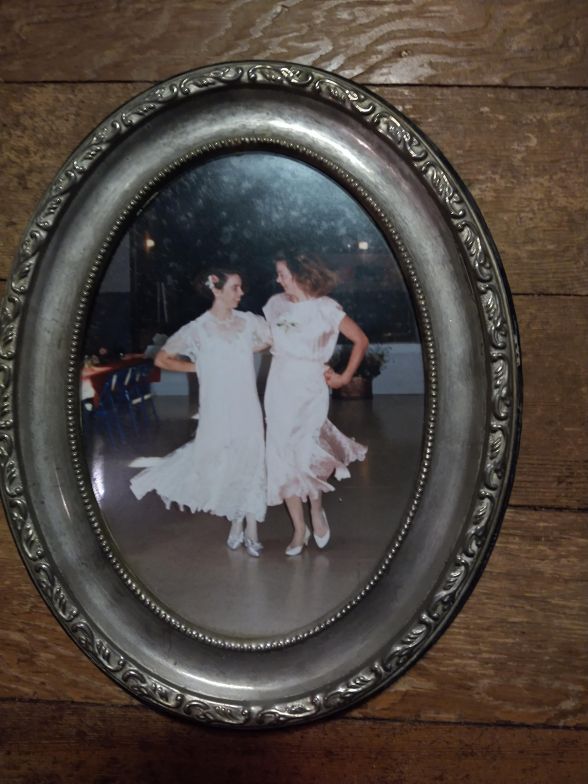
The photograph is me and my sister Chris in 1987, before my wedding. We were dancing before the wedding. She died in 2012 after 7 years of breast cancer.

Doctors and nurses and hospital staff are the last caregivers for the elderly alcoholics and addicts who are alone, whose families have finally cut them off. I think this song illustrates their pain. We try to take care of them.

Update on Addiction 2022: Mouse Cocaine Addict Studies

Recent experiments on mice are giving us interesting information on addiction, and suggesting that l-dopa may be able to control/mitigate addiction. This lecture about how dopamine works in addiction using a mouse model (poor mice) blew me away. The mice fell into two categories: maintenance users and vulnerable addict rats. The study of the dopamine postulates a reason for the difference.

20th Annual Drug Conference Washington State from 2019

Notes from lecture 3: Paul Phillips PhD
Dopamine Neurotransmission in Substance Use Disorders: from Preclinical studies

For a long time there were no agreed upon animal models: rats don’t steal money from other rats to buy drugs. However, rats do get addicted and this can be studied.

There are features in rats, rat behavior and rat brains that might translate to humans.

1. Basic discoveries about dopamine neurotransmission in substance use disorders is discussed.
A neurotransmitter study checking every ten minutes in brain examines two areas: dorsal and ventral striatum. Dopamine is increased in the area between cells from the administration of substances “first time use” in animal models: cocaine, alcohol, methadone, cannabinoids, nicotine, amphetamine, morphine. This is the first clue re addictive drugs, whether there is an increase in dopamine intraneuronally. The endpoint is that direct effect on dopamine receptors, which has a different brain mechanism for each drug. Cocaine blocks the receptor that reuptakes the drug into the neuron. Methamphetamines and amphetamines reverse the reuptake pump, makes the receptor spit it out. Gaba neurons act to inhibit dopamine neurons, normally mu receptors on the gaba interneurons and the opioids block those. Ethanol has another mechanism of action. It changes inhibitory activity, lowering the inhibition of the gaba interneurons. Nicotine REALLY messes with multiple receptors and multiple cells, but main effect is increase of dopamine in the striatum.
Increased dopamine in human brain relates to the feeling of being high: brain PET scans show amphetamine and dopamine bound less, reduction in the binding. Subjects were substance abusers. Subjective questioning of how high they felt correlated with the amount of dopamine released on the PET scan. Methylphenidate was used in that study. Canada study: cocaine increases dopamine in human brain by PET scan.
Addiction does lead to changes in the brain, on both PET scans and functional MRIs.
PET scans measuring dopamine binding in the brain show that the baseline in brains of substance abusers differs from non-abusers. The levels of dopamine receptors is lower in the substance overuses and there is lower binding than controls: heroin, alcohol, meth, cocaine (and obesity and ADHD…..). (This has been known for opioid overuse and chronic use for a while: the brain cells withdraw receptors, so the same dose does not reduce pain because there are less receptors. The change in receptors appears to vary in different subjects. Recovery is very slow.)
The role of dopamine has been confusing. It is known that it is involved in the cue evoking cocaine “craving”, but is also involved with — satiety. This has been confusing and contradictory — what does dopamine do but also the dynamic structural signaling.

2. The animal studies demonstrate that the dopamine signals are phasic.
Rat studies measure changes in dopamine minute to minute electrochemistry for sub-second dopamine detection in vivo, which means we can measure changes in dopamine in real time. There is an identified output signature for dopamine levels, measure in 8.5 millisecond, ten measures per second.
The rats were voluntarily taking cocaine. The cocaine was available in a liquid with a light that would come on when it was available, for two hours daily. The animal presses a lever when the light cue is on and gets an infusion of drug. With the ten measures per second, the first and smaller dopamine response in the brain is before the lever is pressed. That is, there is a rise in dopamine BEFORE the rat presses the lever. If stimulated dopamine, the animal would go press the lever. Then there is a larger reward dopamine signal when the drug hits.
Dopamine is the chicken and the egg: signal to USE and signal that has ARRIVED.

3. Changes that take place with drug use
There is a signal change over time that correlation with features of addiction.
The mice had an implanted brain electrode, tinier than human hair, 7 microns, biocompatability — don’t make the brain attack it as a foreign object so rat brain keeps working. The study involves tyrosine hydroxylase, a precursor of dopamine. A food pellet response of the tyrosine remains the same at 1, 2, 6 months so can monitor substance abuse brain changes. These are cocaine addicted rats. They get cocaine via a nose poke of a button when it lights up. Pellets, not iv (they learn that faster). There are 2 ports to nose poke: active and inactive. The signal that cocaine is available and the pellet is active: a light comes on for 20s and then drug arrives. Can take again after 20sec. The rats titrate cocaine use: not continuous. They pace cocaine use, wait for it to wear off. Over time, drug use 1 hour access daily… slow increase, relatively stable.
When the access is bumped up to 6 hours access daily… rats do increase use — first of 6 hours, escalation of drug use faster — in humans development of tolerance.
With 1 hour cocaine availability, the dopamine response to the cocaine in the rat brain is lower by the 2nd and 3rd week, slowly decreases, then with 6 hours of access the loss of dopamine is very robust, happens faster, dopamine signal gets smaller every time.
Rats long access: were there individual differences? Yes, metric, nonescalated vs escalated groups so like humans. 60 escalated 40 didn’t and stayed stable. So essentially I named these “Vulnerable addict rats” and “Maintenance rats”.
Which group most motivated to take cocaine? The study ups the price of cocaine for rats, how many times are you willing to receive the drug? The escalating animals made more responses, “worked harder” for the drug. The escalator brains, Vulnerable Addict Rats, had just about a complete loss of dopamine signal by three weeks.
The nonescalators had more stable dopamine responses, retained some dopamine brain function.
The greater the loss of dopamine, the more the animal escalates the drug use.
The Vulnerable Addict rats would use cocaine to the exclusion of food, water, sex and sleep and died early.
This is a feedback loop. The rats get a success signal when the drug is taken — but over time don’t get the success signal because dopamine receptors are gone — so take more. In the Vulnerable Addict escalators, the dopamine signal of anticipation goes down in response to the cue, the drug effect takes a little longer but the pharmacological response to drug actually remains.
They tried giving l-dopa, a parkinson’s drug and if treat, the rats get a restoration of the dopamine cue — pharmacological response didn’t change — how does this affect behavior? A daily shot of l-dopa and the animals on the l-dopa have less escalation. (wow!) The l-dopa didn’t affect the nonescalators/maintenance rats. When they remove the l-dopa in the vulnerable addict rats, the animals jump to higher use and so the brain changes are happening even when it is masked by the l-dopa but does not stop the brain changes.
They ask the question: can you reverse escalation? With the the l-dopa, they use less.
Dopamine signaling to take drugs (the anticipation cue when the light goes on) decreases in animals that escalate drug taking, but does not change in animals with stable drug taking.
Restoring dopamine signaling with l-dopa can prevent or reverse escalated drug taking.
This dopamine signaling….

4. Mechanisms — drug cue elicits dopamine.
So this is about triggers. This is a paired drug cue: the light signals that the drug is available. If a non-contingent drug given to animal, the light still elicits drug seeking. Using a naive animal: pair reward with cue, over time the cue will increase dopamine.
(hmm. Facebook. blogging. Instagram. “You have mail”. )
The initial addiction has a short access time. One hour out of 24. When this is changed to long access, some animals escalate vs non escalation — as take more and more drug, the response to the drug taking cue gets larger in the escalators/Vulnerable Addicts. Presentation of cue — by investigator vs animal:
If elicits drug seeking than the dopamine response gets larger to the cue over time.
If the cue is given but other choices of liquid, then the dopamine response gets smaller in some rats — so terminating drug seeking. The Vulnerable Addict Rats had a larger and larger dopamine craving cue spike, the longer they were off the drug. The the increase in the cue drives craving and decrease drives seeking — so both bad.
The conclusion in the rats is that craving for drug, related to cues, is dependent to length of time off drug. The longer the rats were off the drug, the larger the dopamine spike when the cue light comes on. The measure of cue behavior gets worse …. 60 day study in rats, this is not physiological withdrawal, is prolonged way beyond the withdrawal.
1. noncontingent
wait a day or wait a month
work harder to get drug, harder a month out
reaction to drug cue presentation, enhanced over time
at start of drug small signal to drug cue
long access then cue gets bigger
same a day after stop drug
but huge in a month after no drug — huge dopamine response

(my thought was then swearing. how do we treat this?)
In chronic drug use the cue signal shrinks which reinforces drug use AND stopping increases the cue response which ALSO reinforces.

5. Implications for treatment
treating rats
They discuss a virus with promotor that affects dopamine cells, light activated ion channel, cells release dopamine when light stimulated
only activates release of dopamine, to understand mechanisms.
For the self administered nose cue …. In the nonescalator maintenence rats, dopamine cue response stays fairly robust, stimulate those cells and no change.
In the escalator/vulnerable addict rats… if do a virus stimulation of dopamine in the brain, more dopamine to cue boosted, so they use less cocaine and look like the non-escalators.
5th cue less dopamine than 1st cue: if put dopamine back then maintains the drug seeking.

What underlies the decrease in dopamine release?
When the animals use cocaine, dynorphin goes up (kappa antagonist).
They injected a kappa receptor blocker — animal no longer escalate (not in humans at this time, don’t understand well enough) treating animals that are escalating, so the bad addict/vulnerable rats.
Most animals don’t escalate — but pretty serious amounts of drug cocaine so not abstinent.

For future
Dopamine diametric changes: dopamine may reduce consumption but might increase craving, so it is difficult to treat.
l-dopa — treatment — some studies, looking for abstinence, does NOT produce abstinence. Does not make abstinence worse. Says that promise seen relates to the status of the subject — helps with people who are still using (some) but doesn’t help increase or prolong abstinence. So could reduce harm but not abstinent….politically unpopular. Happier with turning alcoholic into a social alcohol user, but that idea is less popular/politically ok with cocaine/opioids (and especially meth).

They are studying mouse nosepokes for alcohol — reduced intake when the rats are on l-dopa.

There is a functional agonist for kappa receptors == buprenorphine, might have effects on drug consumption, speculation across different drugs.

Dynorphin is a stress related peptide, so does that signaling produce escalation of drug taking? So other stress drugs — like corisol, CRF, plan for more studies.

Question: Stress related hormones– babies in stress in utero and in stressful childhood have less dopamine receptors and need more dopamine for pleasure, susceptibility to drug addiction (ACE scores) so is still really early studying neurotransmitters.

Dr. Question: why do people do better with agonist therapy than abstinence in opioids vs other drugs? Answer: we don’t know….. yet.

further information:
https://www.ncbi.nlm.nih.gov/pmc/articles/PMC1920543/
https://www.ncbi.nlm.nih.gov/pmc/articles/PMC80880/
https://archives.drugabuse.gov/news-events/nida-notes/2017/03/impacts-drugs-neurotransmission
https://nida.nih.gov/