Authenticity and masks

The Ragtag Daily Prompt today is identity. Yesterday I went to work an hour early so I could attend the Friday morning Continuing Medical Education. It was about adult ADHD and the positives and negatives.

I do not have a diagnosis of ADHD. I have one friend who insists that I have it, but I don’t much care. However, the speaker started talking about masks and authenticity. She said that we are told to be authentic at work, but that people with ADHD often find that their authentic self is not welcomed and they learn to mask.

I asked, doesn’t everyone mask somewhat at work? She said, “Good point, and yes, people do.” It got me thinking about identity and masks. I pretty much clammed up in Kindergarten because I was too much of an outlier and culturally wrong. We did not have a television and television was pretty much what the other children talked about. I knew songs and poems but these did not interest my peers. I was interested in science, too, but that was also not popular. I think I was a geek before it was named and as soon as I learned to read, I became a bookworm. I am not sure if having a television would have made any difference, either.

Fast forward to after high school. I went to Denmark as an exchange student my senior year and then needed to make up credits to graduate. Another high school student was in my Community College classes. After a bit, she said, “I thought you were shy in high school.” I said, “No, I just didn’t talk.”

Currently I am more authentic in the room with patients than with the rest of the staff. Corporations are very weird hierarchical places. My authentic self always questions authority but I am trying not to do it all the time. At least, not out loud. The patients seem to be fine with it. I had a very difficult conversation with an elderly couple this week about memory and planning, now, before they can’t. I got hugs at the end of the visit even though we’d gone into frightening and difficult territory. They did very well. Yesterday was my last day at that clinic and next week I am in another one. Even after just four months in this clinic, I will miss many of the patients and hope they do well.

Yesterday I really did Urgent Care. My schedule only had a few people and then six more sick ones were added on. We had to call an ambulance for one, the first time I’ve had to do that here.

What is authenticity and what is our identity? Is the work mask less real than the self in our minds?

I took the photograph at a small hot springs resort. A friend that I’ve known since high school and I met there. I love the bookworm rabbit. I think she represents the happy bookworm part of me. I read about 7 novels a month, haunting the library here. Maybe I will get to know some more people over the next 6 months.

For the Ragtag Daily Prompt: identity.

Adverse Childhood Experiences 15: Guidelines

I wrote Adverse Childhood Experiences 14: Hope quite a while ago.

The American Academy of Pediatrics has a guideline that physicians should introduce and screen for Adverse Childhood Experiences. The American Academy of Family Practice is skeptical, here: https://www.aafp.org/pubs/afp/issues/2014/1215/p822.html. Here are two more writeups: https://www.aafp.org/pubs/afp/issues/2020/0701/p55.html and https://www.aafp.org/pubs/fpm/blogs/inpractice/entry/screen_for_aces.html.

It is difficult to screen for ACE scores for the same reason that it is difficult to screen for domestic violence and to talk about end of life plans. These are difficult topics and everyone may be uncomfortable. Besides, what can we DO about it? If growing up in trauma wires someone’s brain differently, what do we do?

I don’t frame it as the person being “damaged”. Instead, I bring up the ACE score study and say that first I congratulate people for surviving their childhood. Good job! Congratulations! You have reached adulthood! Now what?

With a high ACE score comes increased risk of addictions (all of them), mental health diagnoses (same) and chronic disease. Is this a death sentence? Should we give up? No, I think there is a lot we can do. I frame this as having “survival” brain wiring instead of “Leave it to Beaver” brain wiring. The need to survive difficulties and untrustworthy adults during childhood can set up behavior patterns that extend into adulthood. Are there patterns that we want to change and that are not serving us as adults?

This week a person said that they blow up too easily. Ah, that is one that I had to work on for years. Medical training helps but also learning that anger often covers other feelings: grief, fear, shame. I had to work to uncover those feelings and learn to feel them instead of anger. Anger can function as a boundary in childhood homes where there are not adult role models, or where the adults behave one way when sober and an entirely different way when impaired and under the influence. There may be lip service to behave a certain way but if the adult doesn’t behave, it is pretty confusing. And then the adult may not remember or be in denial or try to blame someone else, including the child, for “causing” them to be impaired.

What if someone had a “normal” childhood but the trauma all hit as a young adult? I think adults can have trauma that changes the brain too. PTSD in non-military is most often caused by motor vehicle accidents. At least, that is what I was told in the last PTSD talk I went to. Now that overdose deaths have overtaken motor vehicle accidents as the top death by accident yearly in the US, I wonder if having a fentenyl death in the family causes PTSD. Certainly it causes trauma and grief and anger and shame.

I agree with the American Academy of Pediatrics that we should screen for Adverse Childhood Experiences. We need training in how to talk about it and how to respond. I have had people tell me that their childhood was fine and then later tell me that one or both parents were alcoholics. The “fine” childhood might not have been quite as fine as reported initially. One of the hallmarks of addiction families is denial: not happening, we don’t talk about it, everything is fine. Maybe it is not fine after all. If we can learn to talk to adults about the effects on children and help people to change even in small ways, I have hope that we will help children. We can’t prevent all trauma to children, but we can mitigate it. All the ACE scores rose during the Covid pandemic and we are still working on how to help each other and ourselves.

Here is another article: https://www.aafp.org/pubs/fpm/issues/2019/0300/p5.html.

Blessings.

For the Ragtag Daily Prompt: open wound.

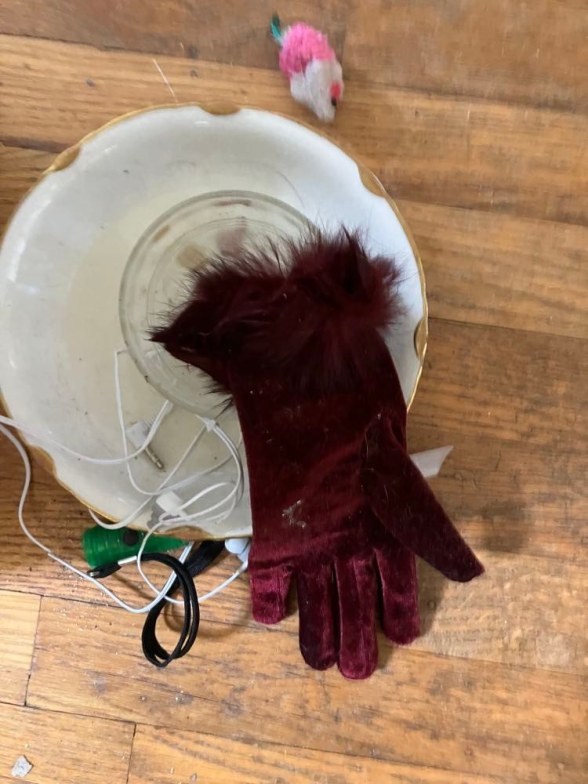
The photograph is one of Elwha’s cat art installations. He would pile toys on his bowl. Two bowels because I need to keep out the little ants. Sol Duc would do it too but not as often. I fed them in separate rooms. They would pile things on the bowl whether there was food left or not.

Elwha is still missing, sigh. That is a wound. The photographs are from March 2023.

Marijuana update

https://newsroom.heart.org/news/marijuana-use-linked-with-increased-risk-of-heart-attack-heart-failure

Marijuana is still illegal at the federal level, but some states have legalized it. I agree with legalization but I don’t think of it as benign or safe at all. It’s clear that it can be addictive. A study of teens (with parental consent and where they paid the teens to try to quit for a month) showed that the teens that smoked daily had real trouble stopping, even when quite motivated. The U of WA Pain and Addiction telemedecine said that about half of daily users have “overuse syndrome” and have trouble quitting.

I worked with two people who were trying to quit. The big issues for them in quitting were insomnia and anxiety. Marijuana can suppress both anxiety and help with sleep. However, our brains do not really like that sort of daily interference. The neurons can remove receptors from the cell walls if they are feeling overwhelmed. It is like trying to listen to music with ear plugs. You turn the music up. The drug is the ear plug: when the earplugs are gone, the music is way too loud. We can’t really “turn the music down”, so it is not much fun letting the neurons recover.

With the edibles and THC vs the other one, it’s even more confusing. I had many patients taking edibles or tinctures to sleep. Some said, “Oh, it’s CBD, so it doesn’t make me high. So it is not addictive.” We do not know it that is true. With opioids, people can have opioid overuse syndrome without ever getting high, just from being on pain medicine as directed. And marijuana does not have only CBD and THC. There are over 300 different cannabinoids in the plants, and CBD and THC are just two of them. I have no idea if the edibles and tinctures have the other 298 or more and what they do to the cannibinoid receptors in our brains alone or in combination.

I don’t want to have any overuse syndrome: alcohol, opioids, gambling, marijuana, whatever. I know I can get off caffeine in 24 hours, though it involves an awful headache. I am nearly off coffee now, because my body only likes coffee when I have pneumonia. I quit coffee from 2014 to 2021 and now am quitting again.

The two studies in the article look at people who do not smoke tobacco and who are using marijuana. They are seeing an significant increase in heart disease, heart attacks, sudden death and congestive heart failure. Congestive heart failure is pump failure, where the heart does not pump correctly. This is a major problem, as you might guess.

Be careful out there.

I took the photograph at Fort Worden last week on a day where both the wind and the tide were howling.

Normalizing our behavioral health response

I keep seeing headlines: MENTAL HEALTH IS WORSE. TEENS ARE STRESSED. ADULTS ARE STRESSED. DRUGS AND ALCOHOL AND DOMESTIC VIOLENCE ARE UP.

Like they shouldn’t be? This isn’t news. It is expected, because we are in a pandemic, the death rate is up, people are frightened, the scientific news changes daily and now we add a war.

OF COURSE PEOPLE ARE ANXIOUS AND STRESSED. And when stress goes up, substance “overuse” goes up too. Add fenanyl to the mix and the overdose death rate is up. Should I call it the “overuse” death rate to be politically correct? I do think that it is stupid to stigmatize “overuse”. But I also do not like the term “overuse”. Addiction may be stigmatized, but to me addiction means the drug or alcohol or gambling has taken over the person’s brain and it is the addiction that is lying to the person and to me. It makes it much easier for me to watch for relapse if I think of it as the habit or substance in control. There is no stigma there: the person is deeply ill and needs help. Part of the help is recognizing relapse. I look for signs.

With behavioral health we learn to watch for signs. The latest guidelines say that we should screen for behavioral health problems at well people visits. One in ten people are depressed and the lifetime incidence is higher.

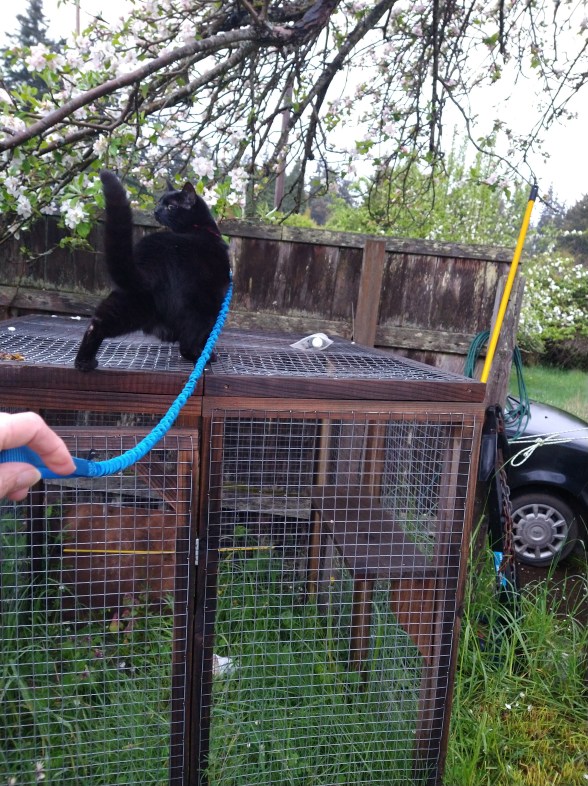
The online and news articles sound surprised that there is an increase in behavioral health problems. Why would anyone be surprised? We have evolved emotions along with logic and emotions help us to survive. If you are a child in a war zone or a family with abuse or domestic violence, your brain wires to survive the crisis as best you can. These are ACE scores, Adverse Childhood Experiences. Every child’s ACE score is going up during the pandemic. Adults can develop PTSD, depression, anxiety: of course. This is how our species survive. It isn’t FUN but it is not a disaster either. We can help each other. We can listen to each other. We may have to say “I can only listen to this for ten minutes,” and set a timer. There was a cartoon with a father with a stop watch. The daughter is complaining as fast as she can. He stops her: “There. You have had your one minute of whining today.” Limit the news if it is driving you bananas or you feel more depressed or frightened. Turn off the television: if you live in a safe place, go for a walk. I have goldfinches and pine siskins arguing with each other in my front yard. The cats are hugely entertained by this. The cats only go out with harness and leash. I may need to follow Sol Duc up trees. She leaped on top of the outdoor cat cage yesterday, four feet up. I was surprised. No wonder they can catch birds: from a stand to four feet up and she is about ten months old. And see? We are distracted by the cat and relax a little.

If you are not trying to escape a war zone or something else horrible, give yourself the gentle gifts: things that make you relax. Stupid cat videos, old music, reread a beloved book, a gentle walk outside. Yesterday I “walked” Elwha. He spent the whole walk sitting on the porch watching the birds. Two birds landed in the grass and he immediately morphed to hunter, but was still on a leash. I saw a pair of robins in the back yard. One was holding something in her beak. A gift for the other? Nest building? Nestlings already?

My other go to is the trees. I go lean on a tree when I feel overwhelmed. The trees do not seem to mind. Rocks don’t either and I am very grateful.

Blessings.

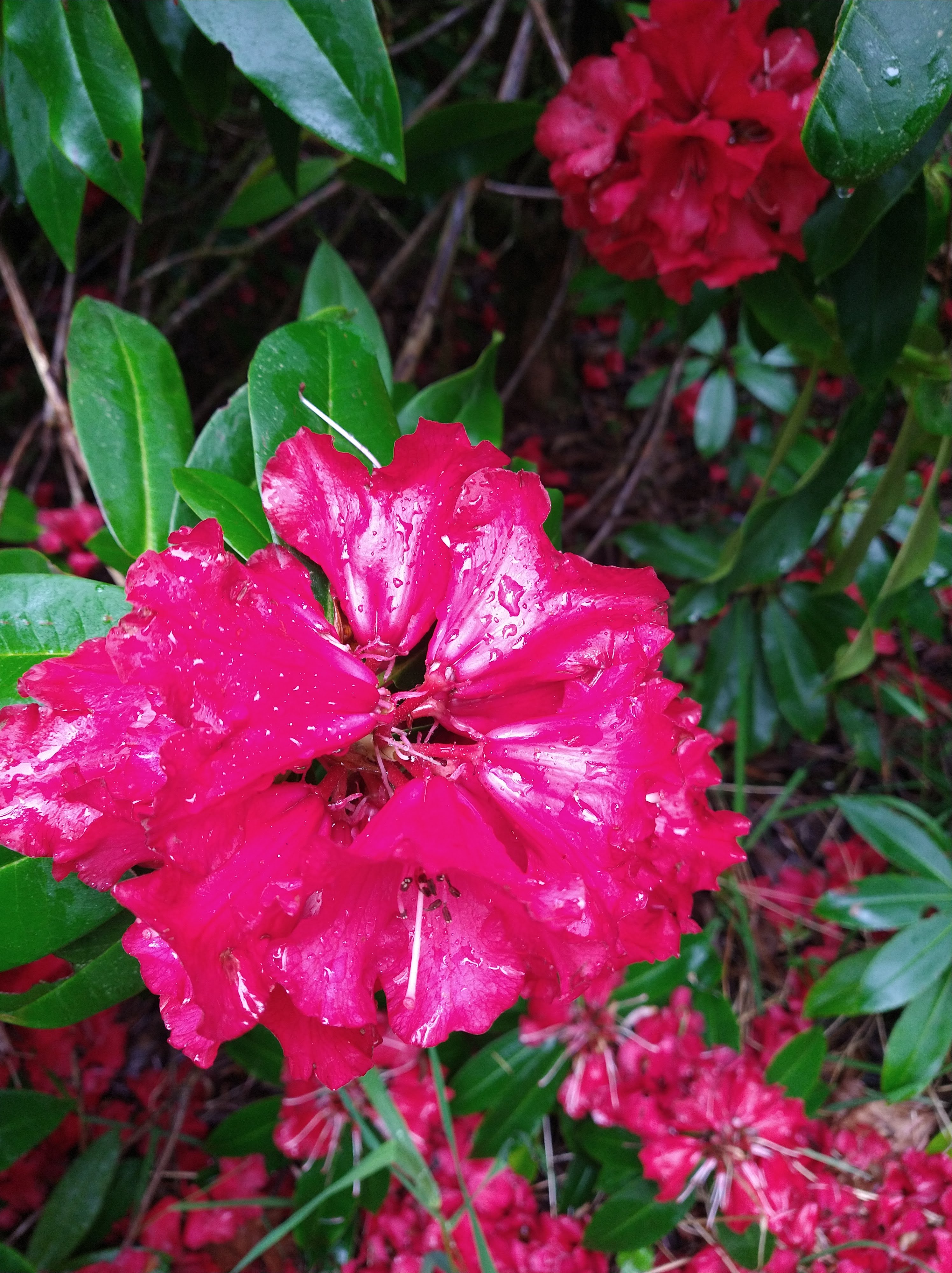
Our rhododendrons are blooming.

#ACE scores #behavioral health #emotion #fear #normal emotional response

Don’t try this at home

https://news.ohsu.edu/2022/03/17/little-evidence-on-how-psilocybin-therapy-interacts-with-existing-psychiatric-treatments-review-finds?linkId=156952130

People are busily hopping on the psilocybin bandwagon. DON’T. Why not, you say, it’s NATURAL. Well, the death angel mushroom is also natural but it will kill you. So are red tides, poisonous snakes and sharks.

You wouldn’t take your buddy’s appendix out in your kitchen, would you? Don’t mess with your buddy’s brain either. Especially if there is already a behavioral health diagnosis and/or an addiction already on board. Either or both might get WORSE rather than better. Wait for the research.

And remember: one in four people meets diagnostic criteria for a behavioral health diagnosis at least once in their life. When there is also an addiction, we call it dual diagnosis.

And for pity’s sake, be careful with pot products, ok? It’s a total myth that they are not addictive. Yeah, people have told me for my entire career, over 30 years, “I am not addicted to (pot, heroin, alcohol, gambling, cocaine, meth, crack, whatever)”. ALL ALCOHOLICS say this the first time they are admitted for crashing a car or alcohol poisoning or vomiting blood or liver failure. “Not me. I am stopping today. I am NOT addicted. I do not need to talk to the substance abuse person.” We roll our eyes and send in the substance abuse person anyhow, because HEY, THE PERSON IS TOO ADDICTED AND IN DENIAL.

If you are going to use pot products, use them one or two times a week. Max three. Because a study of teens that paid them (with parental permission, consent, etc) to stop for a month found that almost none of the teens who used pot daily could stop. They relapsed. And they complained of anxiety and insomnia. And I have worked with adults trying to quit: again, anxiety and insomnia. The teens in the study who only used 2-3 days a week COULD stop for the month. The study monitored urine drug screens quite strictly.

And if you say, well, I can’t sleep without it. Um, yeah, that is addiction. I would wean. Reduce amounts and then start with one night a week without it. Good luck. Get help if you need it.

And don’t jump on the psilocybin bandwagon!!! Holy moly, humans are amazing, the ways they think up to hurt themselves and each other. If you want to be in a clinical trial, go find one. Don’t fool with Mother Nature, she can be a killer.

Happy solstice and blessings.

Here is the scientific paper for the science geeks like me:

https://link.springer.com/article/10.1007/s00213-022-06083-y

The picture is just a picture. No worries.

Illness Anxiety Disorder

“Please write something from a medical perspective about anxious people who worry every little thing is some serious disease.” — reQuest 2018

This is quite a brilliant and timely question.

Here: https://www.anxiety.org/hypochondriasis-replaced-by-two-new-disorders-in-dsm-5.

The DSM V was published on May 18, 2013. This is the Diagnostic and Statistical Manual of Mental Disorders version 5,Β  and it redefines various disorders. For example, opiate dependence has disappeared and so has opiate addiction. Instead, there is one diagnosis: opiate overuse syndrome. Which really combines both opiate addiction and opiate dependence and makes it a spectrum.

The DSM V drops hypochondriasis. Wait, you say, that diagnosis no longer exists? Well, yes, correct. So the diagnoses are made up? Yes, as my daughter says, “All the words are made up.” So psychiatry changes and the diagnosis definitions change and some diagnoses disappear. Medicine is like the Oregon Dunes, really. The information is changing daily. I went into medicine thinking it is like a cookbook, where I just have to learn all the recipes. Nope, sand dunes: the wind and waves and new information change the contours daily. It drives my patients nuts. “My insurance won’t cover the medicine I’ve been on for 26 years.” Um, yeah, sorry, work for single payer and shut down the insurance companies, ok? “This combination of medicines has never killed me yet.” Um, yeah, sorry, but you are in fact getting older and we no longer think that combination is safe and first do no harm: I can’t prescribe combinations that I think may kill you.

Hypochondriasis has been replaced by two diagnoses: Somatic Symptom Disorder and Illness Anxiety Disorder.

From the Mayo Clinic website: https://www.mayoclinic.org/medical-professionals/clinical-updates/psychiatry-psychology/diagnostic-statistical-manual-mental-disorders-redefines-hypochondriasis.

“Patients with illness anxiety disorder may or may not have a medical condition but have heightened bodily sensations, are intensely anxious about the possibility of an undiagnosed illness, or devote excessive time and energy to health concerns, often obsessively researching them. Like people with somatic symptom disorder, they are not easily reassured. Illness anxiety disorder can cause considerable distress and life disruption, even at moderate levels.”

“To meet the criteria for somatic symptom disorder, patients must have one or more chronic somatic symptoms about which they are excessively concerned, preoccupied or fearful. These fears and behaviors cause significant distress and dysfunction, and although patients may make frequent use of health care services, they are rarely reassured and often feel their medical care has been inadequate.”

So, subtle difference. Broadly, the illness anxiety disorder people are sure they have SOMETHING and are worried about ALL THE SYMPTOMS. The somatic symptom disorder people are worried about A SPECIFIC SYMPTOM OR SYMPTOMS and WHY HAVEN’T YOU FIXED ME.

Some of the people complaining of weird symptoms do have a medical diagnosis that has not been sorted out. Take multiple sclerosis for example. The average time from the start of symptoms to diagnosis is 4-5 years.

Here: http://biketxh.nationalmssociety.org/site/DocServer/Facts-about-MS.pdf?docID=54383).

Also here: https://www.nationalmssociety.org/Symptoms-Diagnosis/Diagnosing-Tools.

Another one is sarcoidosis: https://www.mayoclinic.org/diseases-conditions/sarcoidosis/symptoms-causes/syc-20350358. It’s hard to diagnose, can affect different parts of the body, and it’s still pretty mysterious. Add to that list chronic fatigue, fibromyalgia, chronic pain, and numerous other diagnoses.

With multiple sclerosis, you may be thinking, well, if they had just done the brain MRI sooner, the diagnosis would be made. Not necessarily. I did find a patient with a bunch of MS brain lesions: made the diagnosis. She had had a brain MRI 3-5 years before because of suspicious symptoms during pregnancy. At that time her MRI was entirely normal.

The DSM V does not have a diagnosis called psychophysiological disorder. This is an ongoing discussion:
1. https://pdfs.semanticscholar.org/7f7f/21a9b524fb677d575428bea11aab4c8d70c5.pdf
2. https://thoughtbroadcast.com/2011/01/21/psychosomatic-illness-and-the-dsm-5/
This site: http://www.stressillness.com/ is my current favorite about psychophysiological disorders. I heard a lecture from the physician who runs the site. He is at OHSU in Portland and gets the gastrointestinal patients where “they can’t find anything wrong” from all over the state. He is really good at this. He and I are in agreement: the symptoms are real. However, the symptoms may come from emotional suffering and from emotional trauma in the past and present.

It is clear that fibromyalgia is a “real” disorder: functional MRI of the brain shows the pain centers lighting up more with a standardized pain stimulus than “normal” patients. PTSD is “real”. It is interesting that there is more stigma surrounding fibromyalgia and chronic fatigue than PTSD: is that because the former two are more often diagnosed in women, and the latter is legitimate (finally) for male (and a smaller number of female) veterans?

And what do I, your humble country doctor, think? I think that chronic fatigue and PTSD and fibromyalgia and illness anxiety disorder and the others all may be variations of the same thing. Our body will handle and “store” or “stuff” emotions that we cannot handle or are not in a safe situation to handle it. Eventually our body decides that we are now safe enough and will notify us that we have to handle the emotions. Currently our culture is terribly unsupportive of this and there is huge stigma attached to dealing with it. We are all supposed to just be nice.

In the end, we can’t judge how a friend feels or whether they are well or not. We have to treat them with respect and kindness.

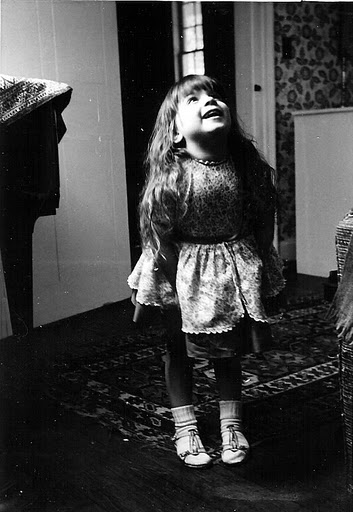
The photograph is me on my grandfather’s lap. He became a psychiatrist and I am a family physician. Taken in 1962 or 3. We are at cabins in Ontario, Canada. What a pair of grubs, but happy…..

Update on PTSD 2017: hope!

I have just spent a week in San Antonio, Texas at the AAFP FMX: American Academy of Family Physicians Family Medicine Experience.

Whew. Long acronym.

However, I attended two programs on PTSD. One was a three hour offsite one put on by the U. of Texas Health Sciences Department of Family Medicine. The other was a one hour program about active duty military and PTSD.

The biggest message for me is HOPE. Hope for treatment, hope for diagnosis, hope for destigmatization, hope for remission. I am not sure if we should call it a “cure”. Once a diabetic, always a diabetic, even if you lose 100 pounds.

In medical school 1989-1993 I learned that PTSD existed but that was about it. There was no discussion of medicines, treatment, diagnosis or cure.

Ditto residency. I learned much more about psychiatry reading about addiction and alcoholism and Claudia Black’s books then I did in residency.

Fast forward to 2010, when I opened my own clinic. I worked as a temp doc at Madigan Army Hospital for three months.

The military was aggressively pursuing treatment and diagnosis of depression, anxiety, PTSD and traumatic brain injury. I worked in the walk in clinic from 6:30 to 8:00 four days a week. Every walk in had to fill out a screen for depression. They were trying to stem the suicides, the damage, the return to civilian life problems and addiction too. They were embedding a behavioral health specialist in every section of the military. I was amazed at how hard the military was working on behavioral health.

In 2010 I took the buprenorphine course, which is really a crash course in addiction medicine, at the University of Washington Med School. I took it because it was free (I had just opened a clinic) and I thought we were as a nation prescribing WAY too many damned opioids. Yes! I found my tribe!

This gave me a second DEA number, to prescribe buprenorphine for opiate overuse, but also hooked me up with the University of Washington Telemedicine. I presented about 30 opiate overuse problem patients (anonymously, there is a form) to the team via telemedicine over the next year. The team includes a pain specialist, addiction specialist, psychiatrist and physiatrist. They do a 30 minute teaching session and then discuss 1-2 cases. They often do not agree with each other. They reach consensus and fax recommendations to me. The Friday addiction one was shut down and now I present to the Wednesday chronic pain one.

But, you say, PTSD? Well, chronic pain patients and opiate overuse patients have a very high rate of comorbid psychiatric diagnoses. It’s often hard to sort out. Are they self medicating because they have been traumatized or were they addicted first and then are depressed/traumatized and anxious? And what do you treat first?

There was an ADHD program at this conference that said we should deal with the ADHD first. One of the PTSD courses said deal with the PTSD first. The thing is, you really have to address BOTH AT ONCE.

Tools? PHQ-9, GAD-7, PCLC and there is an ADHD one too. These are short screening tools. I don’t diagnose with them. I use them to help guide therapy along with the invaluable urine drug screen. Love your patients but verify. That is, the chronic pain patient and the addiction patient tell me the same thing: but one is lying. I don’t take it personally because they are lying to themselves. Also, studies have shown that many patients lie, about their hypertension medicine or whatever. If they have to choose between food and medicine…. I think food may come first.

The San Antonio program has a behavioral health person embedded in their clinic (like a diamond) and if a PTSD screen is positive, the doctor or provider can walk them over and introduce them and get them set up. This is more likely to get the person to follow up, because there is still stigma and confusion for ALL mental health diagnoses and people often won’t call the counselor or psychologist or god forbid, psychiatrist.

They have a protocol for a short term four week treatment. Four weeks? You can’t treat PTSD in four weeks! Well, sometimes you can. But if you are making no progress, the person is referred on if they will go. I have the handouts. I do not have an embedded behavioral health person. I wish I did. I am thinking of setting a trap for one or luring them in to my clinic somehow, or asking if the AAFP would have one as a door prize next year, but…. meanwhile, I may do a trial of DIY. No! you say, you are not a shrink! Well, half of family medicine is actually sneaky behavioral health and I have the advantage of being set up to have more time with patients. Time being key. Also I have seven years of work with the telemedicine and access to that psychiatrist. Invaluable.

So what is the most common cause of civilian PTSD? Motor vehicle accidents. I didn’t know that. I would have said assault/rape. But no, it’s MVAs. Assault and rape are up there though, with a much higher PTSD rate if it is someone the victim knows or thought loved them. Rates in the US general population is currently listed at 1%, but at 12% of patients in primary care clinics. What? One in ten? Yes, because they show up with all sorts of chronic physical symptoms.

Re the military, it’s about the same. BUT noncombatant is 5%. High intensity combat has a PTSD risk of 25%, which is huge. One in four. Not a happy thing. In 2004 less then half the military personnel who needed care received it. PTSD needs to be destigmatized, prevented, treated compassionately and cured.

The risk of suicidality: 20% of PTSD people per year attempt. One in five.

Men tend to have more aggressiveness, women more depression.

Back to that PCLC. A score of over 33 is positive, over 55 is severe. There is sub threshold PTSD and it does carry a suicide risk as well. In treatment, a score drop of 10 is great, 5-10 is good and under 5, augment the treatment. Remember, the PCLC is a screening tool, not a diagnosis. I often ask people to fill out the PCLC, the GAD7 and the PHQ9 to see which is highest, to help guide me with medicines or therapy. If I need a formal diagnostic label, off to psychiatry or one of my PhD psychologists or neuropsych testing. Meanwhile, I am happy to use an adjustment disorder label if I need a label. If the patient is a veteran and says he or she has PTSD, ok, will use that.

Untreated PTSD, the rate of remission is one third at a year, the average remission is 64 months.

Treated PTSD, the rate of remission is one half at a year, and the average duration is 36 months. So treatment is not perfect by any means.

Pharmacology: FDA approved medicines include paroxetine and fluoxetine, and both venlafaxine and one other SSRI help.

Benzodiazepines make it worse! Do not use them! They work at the same receptor as alcohol, remember? So alcohol makes it worse too. There is no evidence for marijuana, but marijuana increases anxiety disorders: so no, we think it’s a bad idea. Those evil sleep medicines, for “short term use” (2 weeks and 6 weeks), ambien and sonata, they are related to benzos so I would extrapolate to them, don’t use them, bad.

Prazosin helps with sleep for some people. It lowers blood pressure and helps with enlarged prostates, so the sleep thing is off label and don’t stop it suddenly or the person could get rebound hypertension (risk for stroke and heart attack). I have a Vietnam veteran who says he has not slept so well since before Vietnam.

Part of the treatment for the PTSD folks at the U. of Texas Medical Center is again, destigmatization, normalization, education, awareness and treatment tools.

Hooray for hope for PTSD and for more tools to work with to help people!