
I call a friend yesterday and sing, “Happy Day Before Your Birthday to You”. It sounds silly. She has just gotten Covid and this cheers her up.
She is telling me about her summer and about a class at a camp. Some for adults and some for children, but one where people really dropped their masks and just got to be themselves.
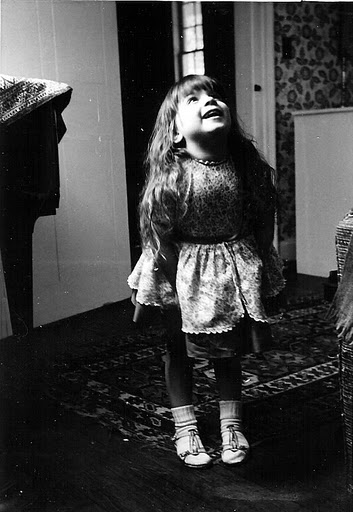
What identity is your deepest self? She is talking about her nine year old self. I think mine is more like four and rebellious and skeptical of adults, adulthood and all of their rules. I don’t think I am ever out of touch with this identity, though I don’t let it talk out loud in clinic. Mostly. A rebellious four year old informed by medical school and years of experience is a pretty frightening thought, isn’t it? Or the basis for a great cartoon.
That part of me is very observant and quite smart. It does not care what we are supposed to see or the cues people give. Growing up in an alcohol household, it looks for what people do not say. This can be terribly helpful in clinic and also a bit weird. It is body language and tone of voice and what questions a person shies away from answering and the puzzle pieces that do not fit.
Last week I see a small child with her parents for vomiting and coughing and fever. I am interviewing the child and asking if things hurt. “Do your ears hurt?” I ask. She shakes her head no. I point to my throat next and she nods. Yes, that part hurts. Her toes do not. I include toes or something silly to find out if the child is saying yes to all of it. I tell the parents that we will do a strep test, that mostly people don’t cough with strep except when they do. The strep is positive. My medical assistant grumbles, “They didn’t tell me that,” but I think the parents were more worried about the vomiting and she may not have complained about her throat.
Are the masks we wear always bad? I don’t think so. I think it is frustrating if we believe our mask or never ever get to drop it. There is some formality to my role in clinic and I tend to get more formal when I am worried about someone. That has been interpreted as anger or brusqueness, but it isn’t. I am wearing a real mask with all patients because we are seeing at least one person with Covid every week. The literal mask does not help me connect with people, but sometimes I can anyhow. I have to take it off for the 90 year olds because most of them are hard of hearing and lip reading helps.
For the Ragtag Daily Prompt: identity.
I hiked the Beaver Brook Trail this weekend with my daughter.
 KO Rural Mad As Hell Blog
Wow. “Growing up in an alcohol household, it looks for what people do not say.” Amen to that. I, also, identify with that little girl who wanted to see and do everything, mostly paint pictures, the one before everyone started pushing her around. She’s still around. Very durable little thing. 😃
Wearing a figurative and literal mask and Covid must be a worry for you.
I found literal masks frustrating at times. I preferred a PAPR (Powered Air-Purifying Respirator) because people could see my face, and especially my mouth, which made hearing easier. Due to a limited number of PAPRs, I only used one to see COVID patients.
As you illustrate well, listening and paying attention are two of the most important skills (in life, not just health care).
I bet that trail offers much serenity following a busy week at the clinic. Literal masks are sometimes hard to see but don’t we all carry a few in our pockets and pull them on when necessary? I’ll be thinking of this ‘image’ as I move through my day. Hope yours is a good one!
Thank you!